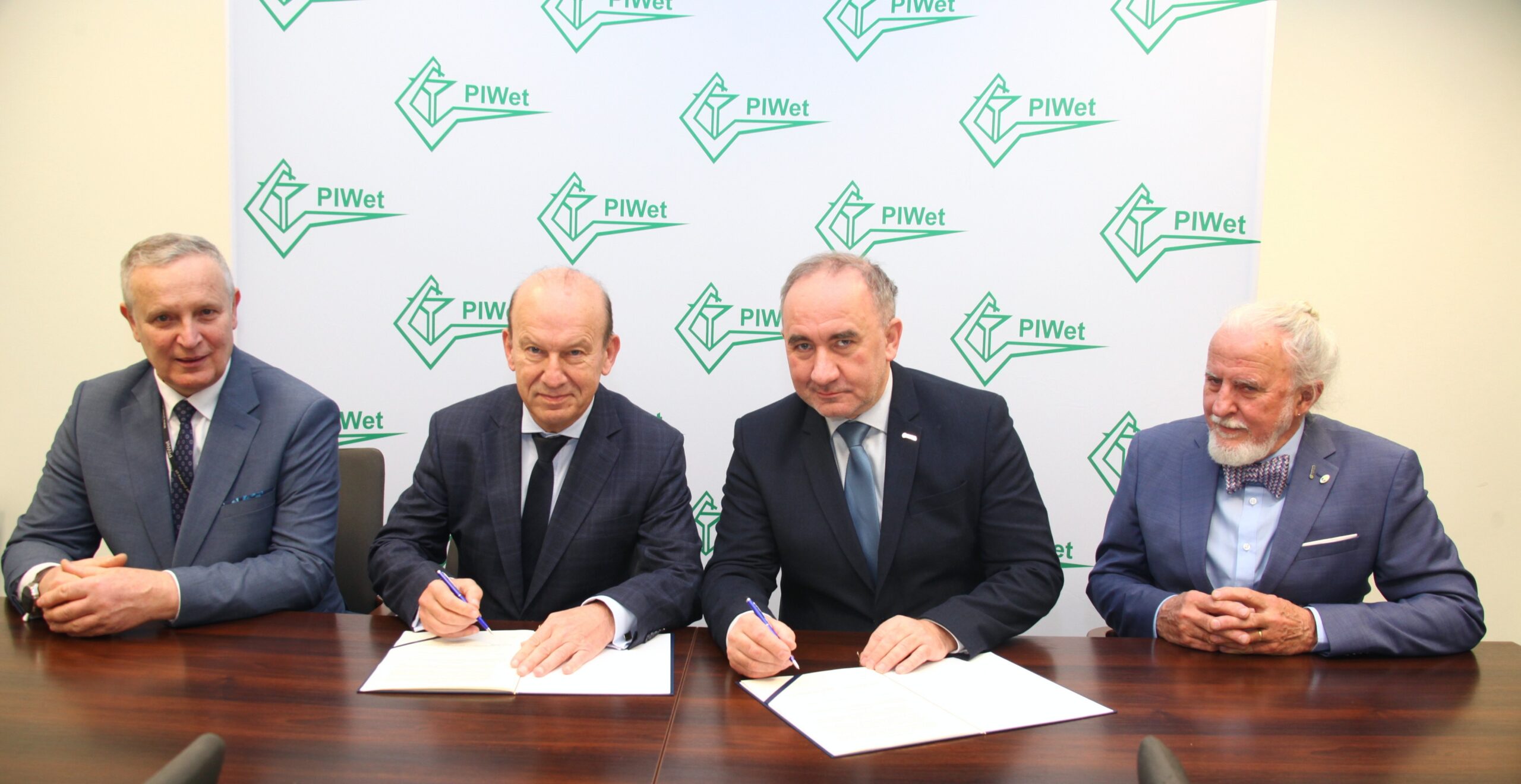
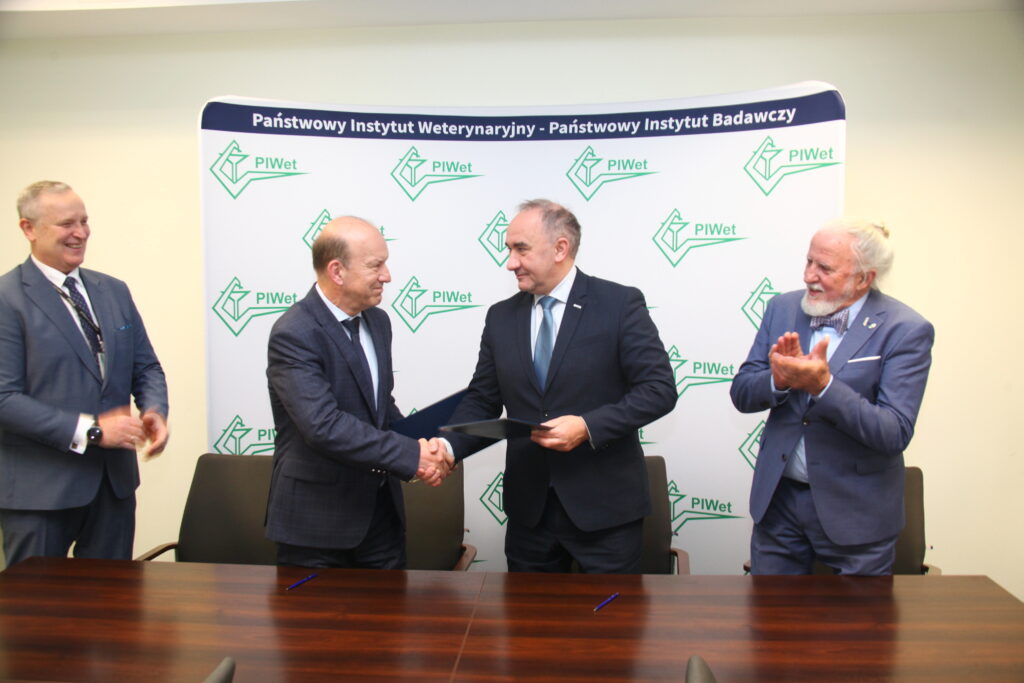
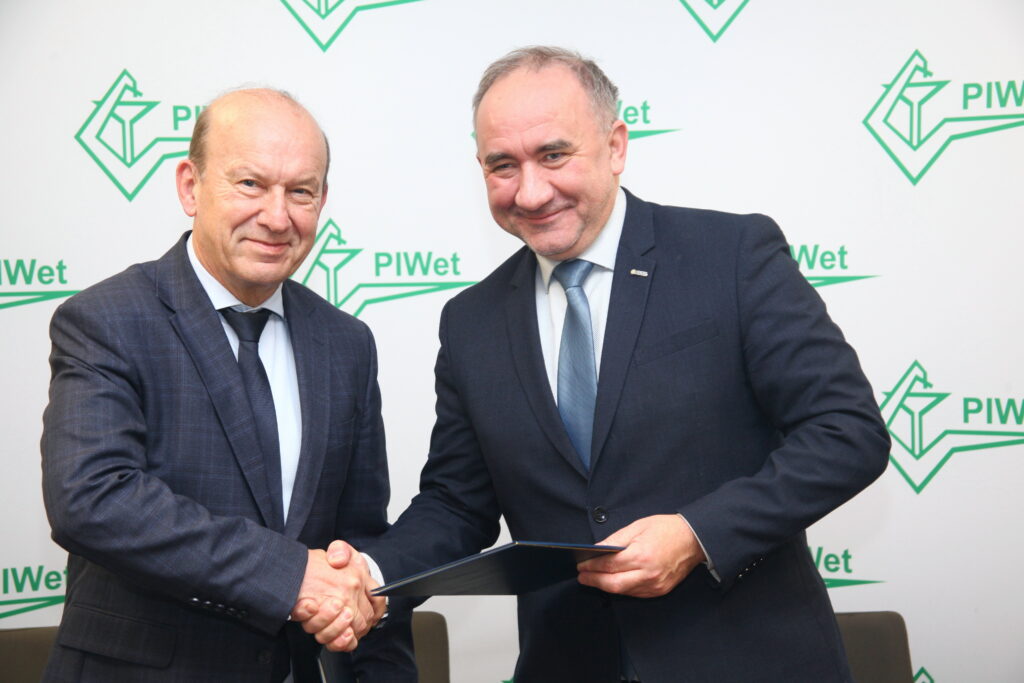
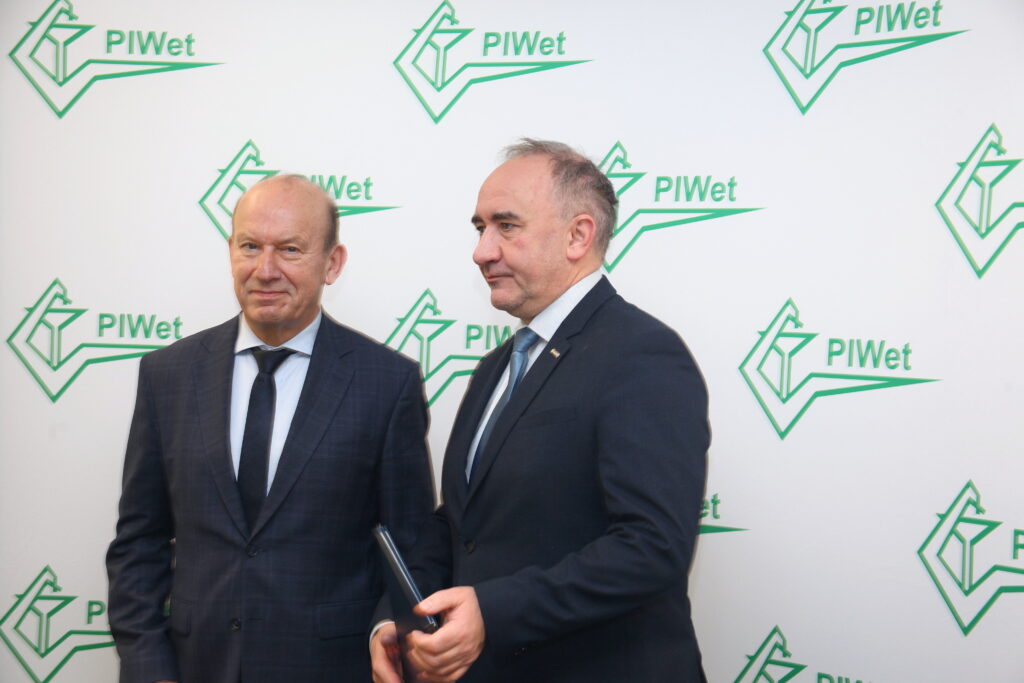
On November 26 of this year, the Director of PIWet-PIB, Prof. Dr. hab. Stanisław Winiarczyk signed a scientific cooperation agreement between PIWet-PIB and the Veterinary Research Institute (VRI) in Brno, represented by Prof. Martin Faldyna, Director of VRI. The signing ceremony was also attended by Dr. Jan Bernardy (VRI) and Prof. Mirosław Polak (NVRI).
VRI is a research center specializing in veterinary medicine research and one of the few in Europe that conducts both basic and applied research. The research covers all species of livestock, with priority given to the control of diseases in cattle, pigs, and poultry. The Veterinary Research Institute in Brno has extensive experience in experimental work using animals, conducting research in accordance with Good Laboratory Practice principles.
Under the signed agreement, the partners plan scientific cooperation in the field of veterinary medicine, with particular emphasis on translational or applied research, experimental work using animal models, preclinical studies, and evaluation of veterinary products before their market introduction. Leveraging VRI’s experience, the plan is to build a network of contacts with foreign partners interested in conducting experimental research on animal models in Puławy.
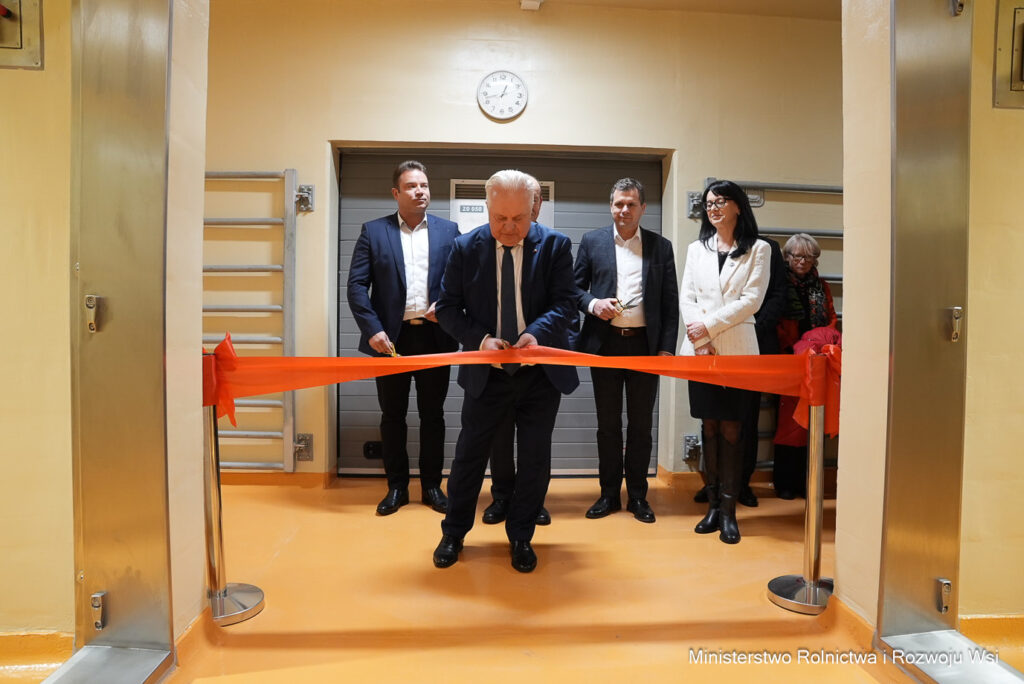
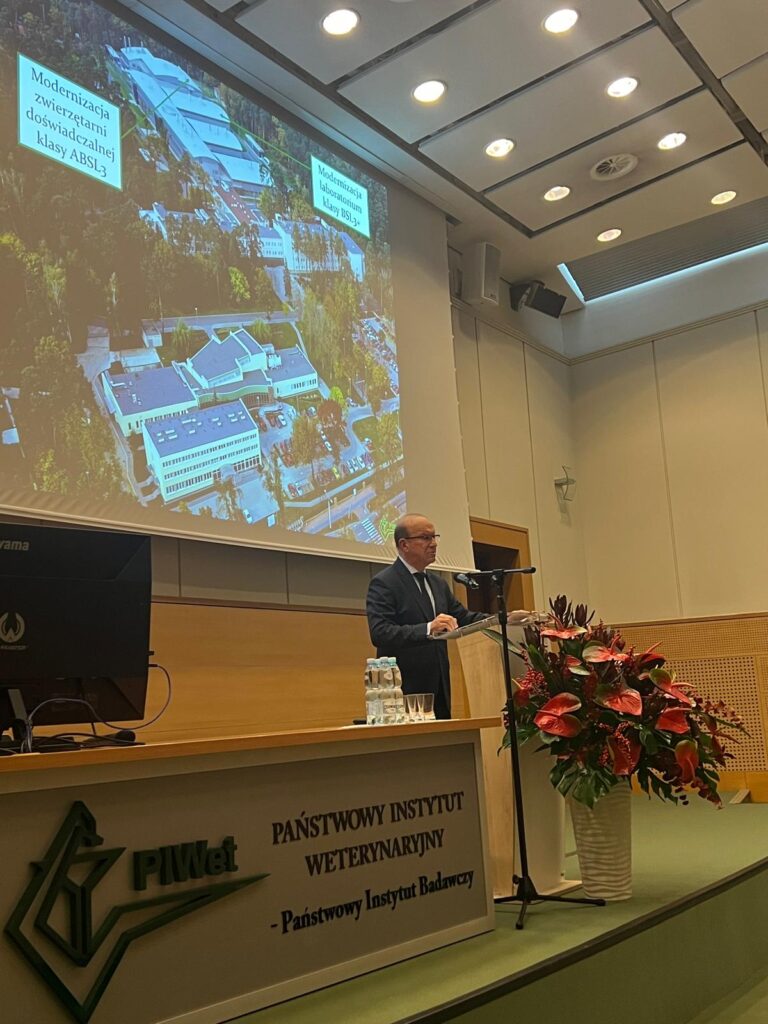
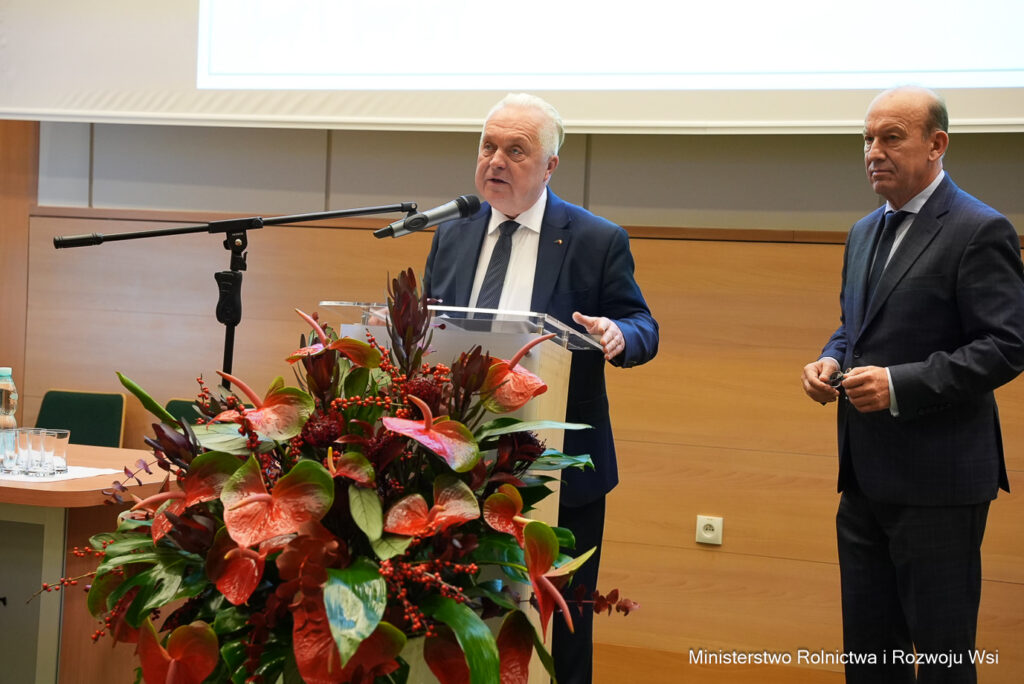
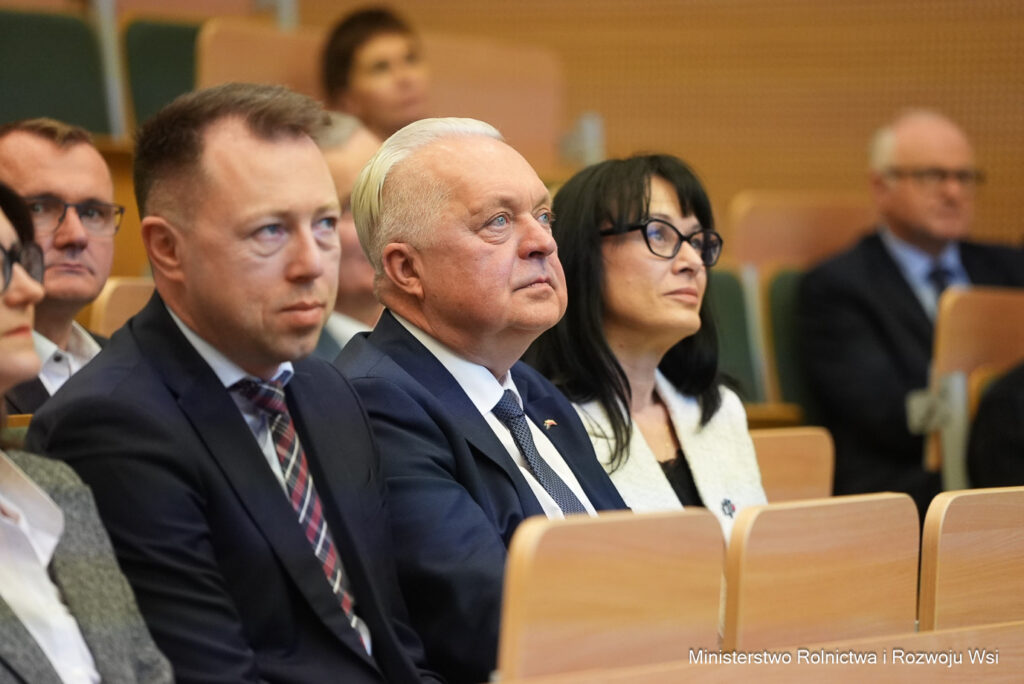
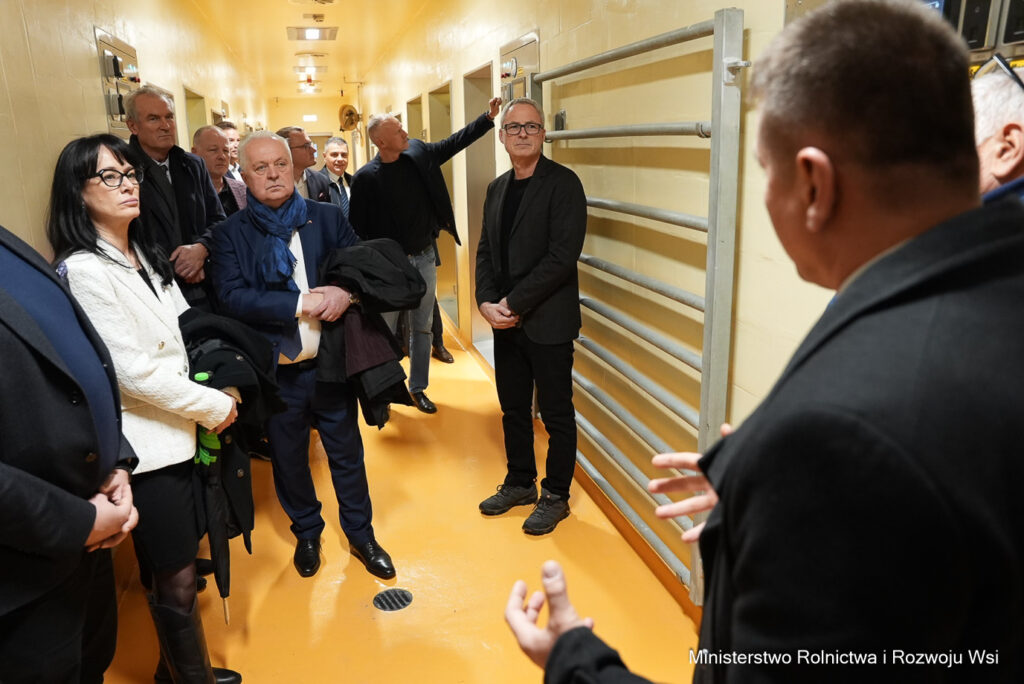
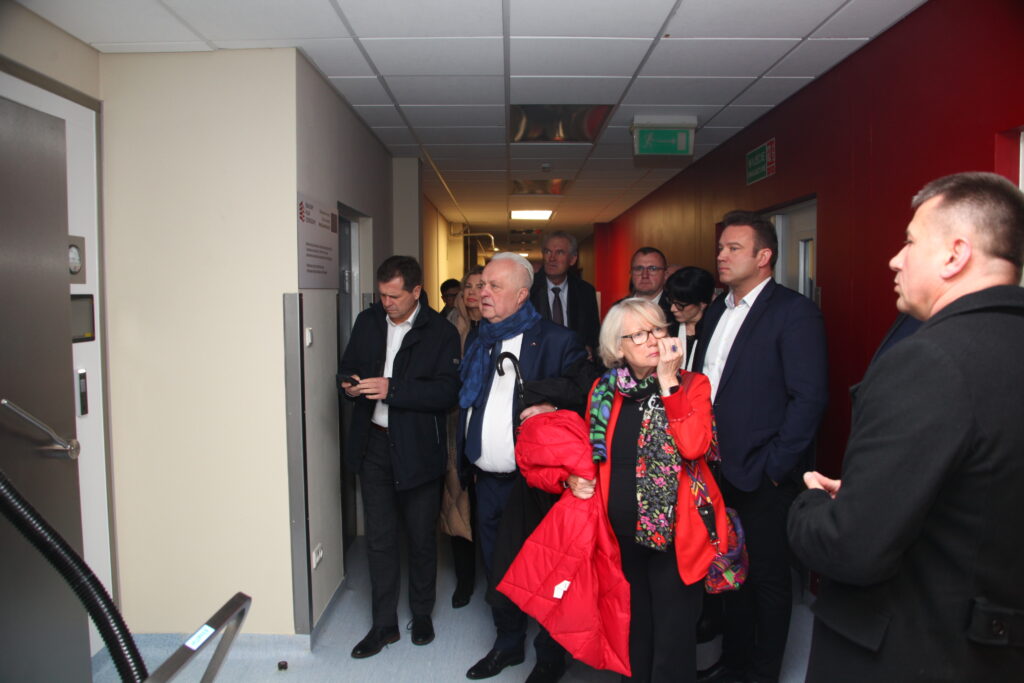
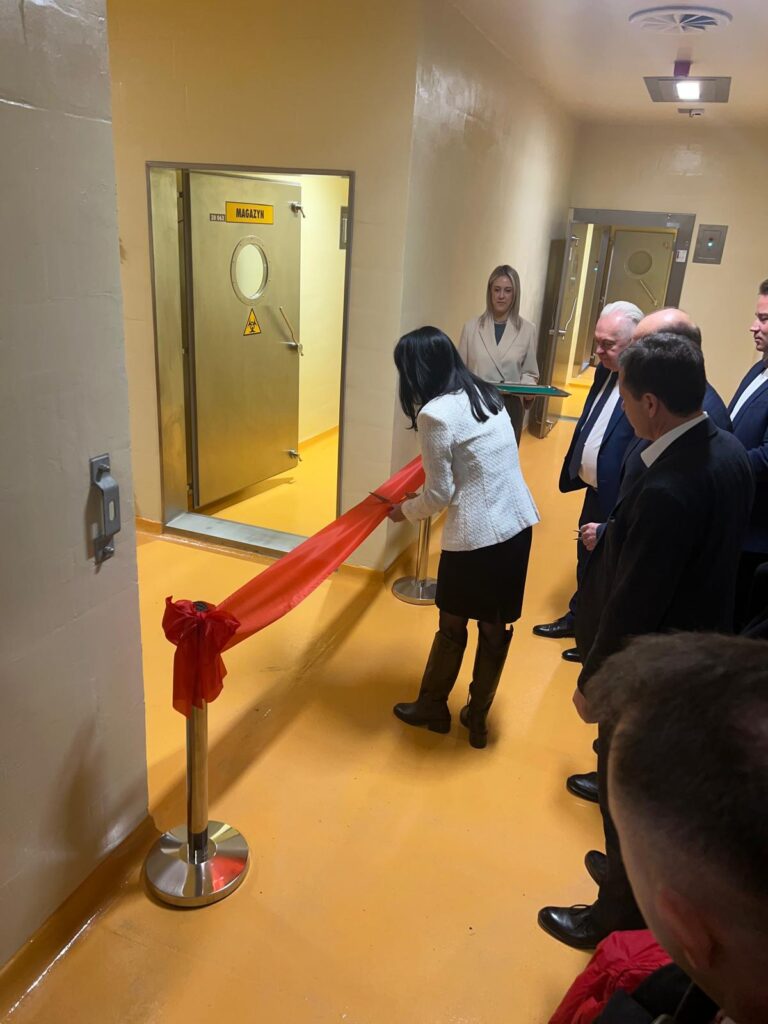
On November 26, 2025, a ceremonial opening of a modernized ABSL3 experimental animal facility and a BSL3+ laboratory took place at NVRI. The opening was performed by Deputy Minister of Agriculture and Rural Development Jacek Czerniak, together with the Institute’s Director, Prof. Stanisław Winiarczyk, Ph.D., and was attended by Dr. Monika Michałowska, Deputy Chief Veterinary Officer for Animal Health and Protection, Borders, and Laboratories; Marcin Tomaszewski, Director of the Department of Knowledge Transfer and Social Affairs at the Ministry of Agriculture and Rural Development (MRiRW); and representatives of provincial and local authorities, partner scientific institutions, and contractors.
The modernization was made possible thanks to funds from the National Recovery and Resilience Plan under the action: “Investments in the expansion of research potential – construction and modernization of institute laboratories.” The total co-financing from the KPO amounted to PLN 53,713,658.53, while the total project value was PLN 68,580,574.95.
As part of the project, the following were modernized:
– An ABSL3 experimental animal facility, enabling research on farm animals while maintaining full containment and biological protection.
– Existing laboratories, adapting them to the high BSL3+ biosafety level required for working with highly pathogenic germs.
The safeguards implemented in the modernized facilities protect personnel and the environment from the uncontrolled release of dangerous pathogens, such as ASF virus, avian influenza, rabies, SARS-CoV, or bacteria causing anthrax and Q fever. This expanded infrastructure, unique in Poland, is crucial for reliable epidemiological risk assessment and the development of methods for combating infectious diseases.
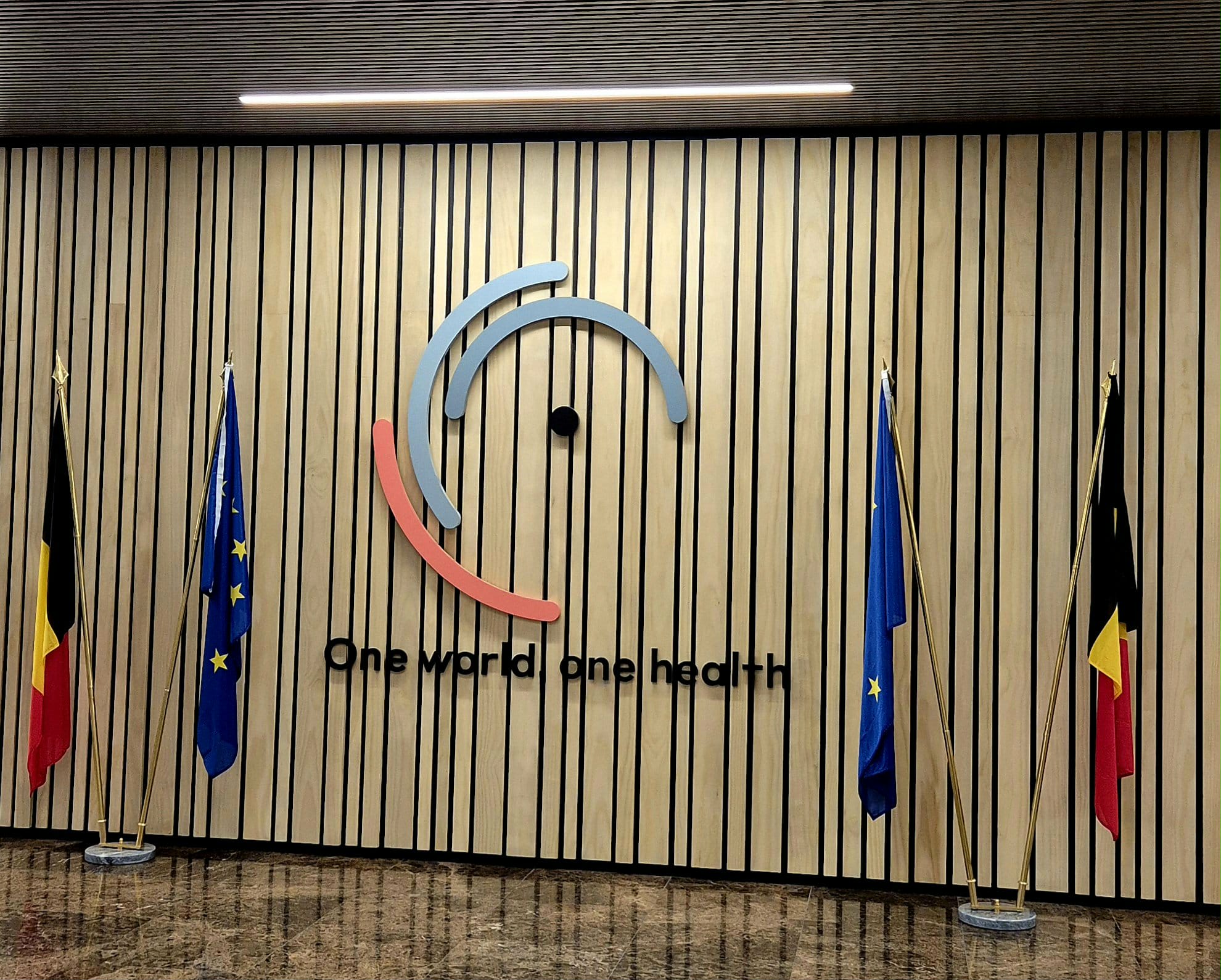
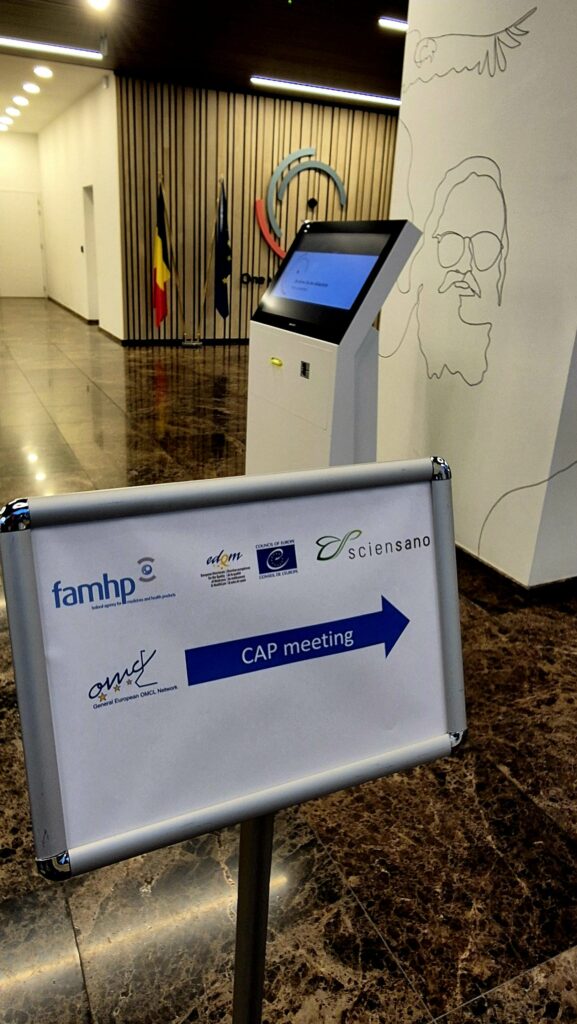
On November 19–20, 2025 the annual meeting of the OMCL network concerning Centrally Authorised Products (CAP) took place in Brussels. The event was hosted by Sciensano – the Belgian research institute and national public health institute, whose activities focus on public health, animal health, and food safety.
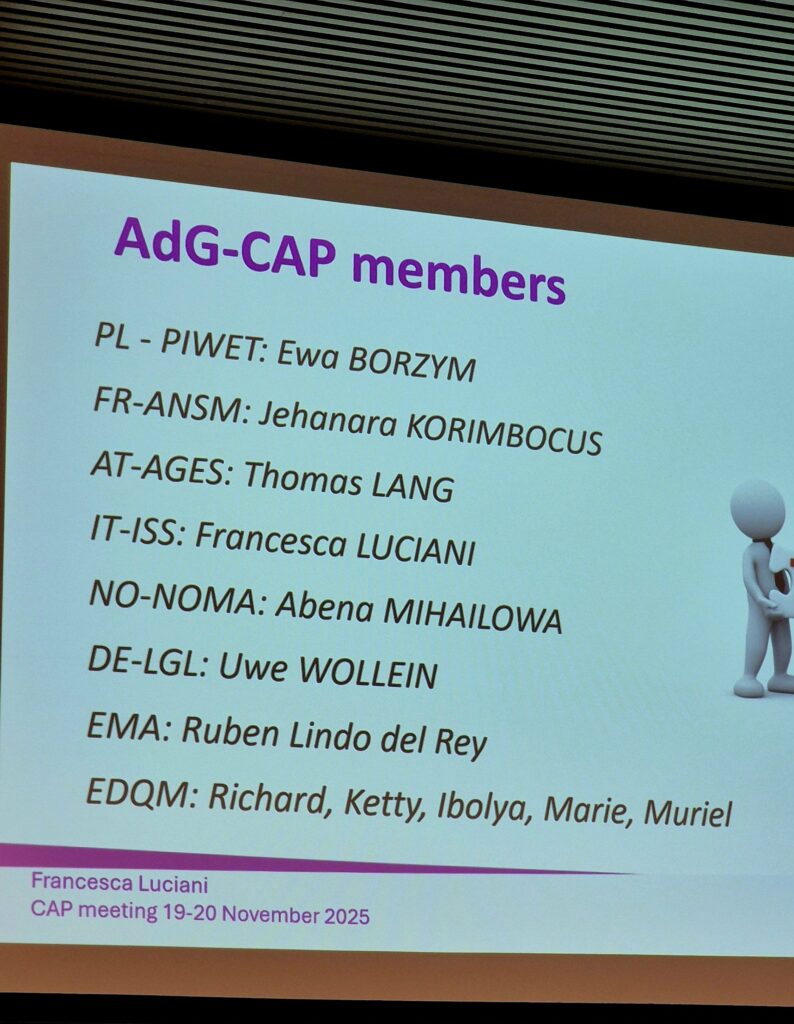
The Head of the Quality Control Department for Veterinary Medicinal Products at the State Research Institute for Veterinary Medicine, Ms. Ewa Borzym, M.Sc. Eng., participated in the meeting, which constitutes a key element of European monitoring of medicinal products registered through the centralized procedure. This system enables effective pharmaceutical supervision and ensures the safety of products authorized for marketing throughout the EU by the European Medicines Agency (EMA).
During this year’s meeting, the following topics were discussed: – results of completed monitoring programs, – the testing plan for 2026, – results of compliance assessments of packaging and package leaflets with approved templates, – updated EDQM guidelines concerning CAP testing, – laboratory experience in testing parameters specified in medicinal product specifications.
National Veterinary Institute actively participates in annual monitoring programs and also has its representative in the CAP Advisory Group, supporting the development and coordination of European supervision over the quality of medicinal products.
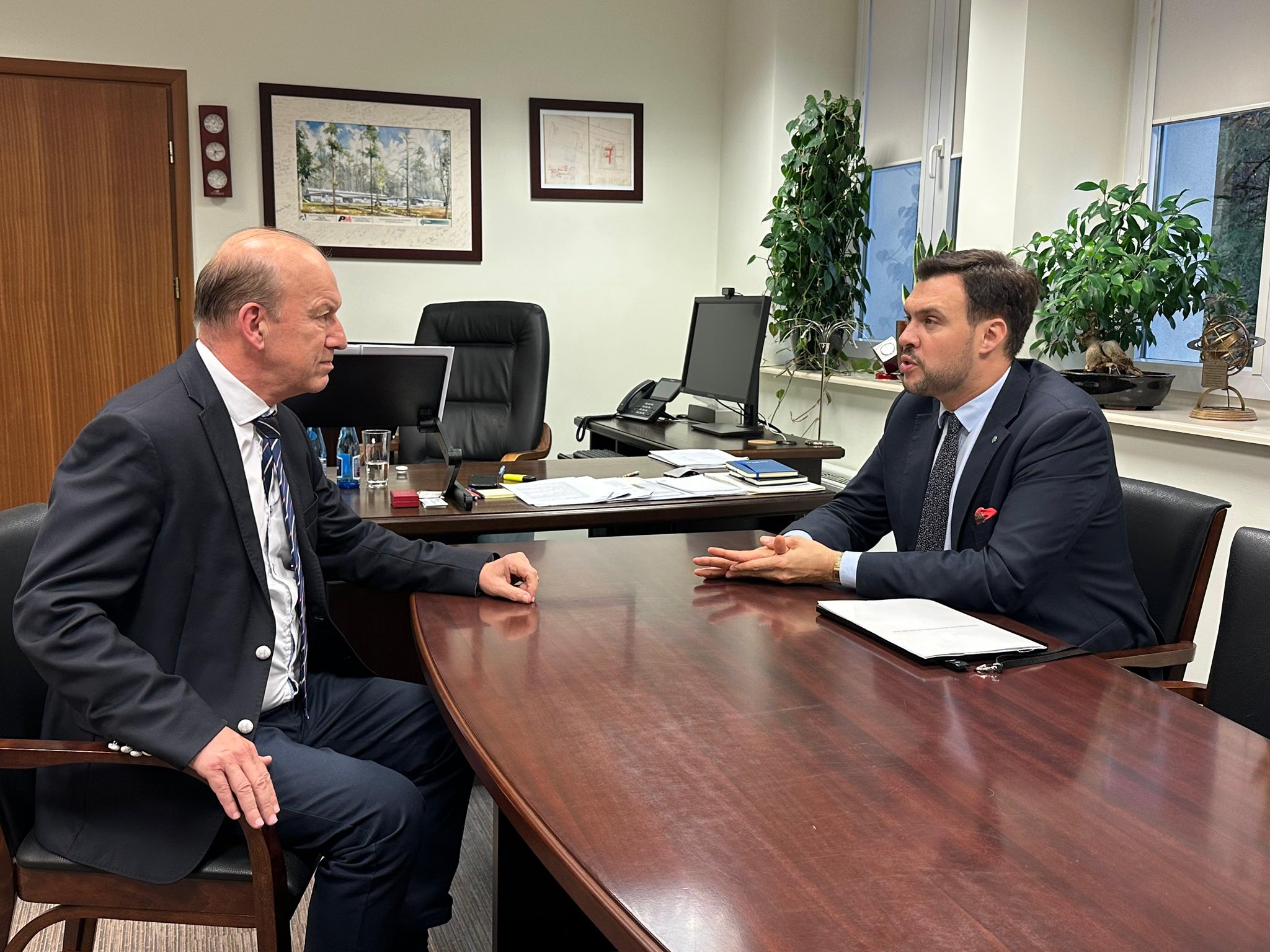
On October 23, 2025, a meeting took place at the National Veterinary Research Institute in Puławy between Prof. Dr. Hab. Stanisław Winiarczyk, Director of the Institute, and Adam Nowak, Deputy Minister of Agriculture and Rural Development.
The discussion concerned the Institute’s activities in the area of scientific research and innovation, as well as prospects for expanding scientific and research cooperation for animal health safety and improving the quality of Polish agricultural production.
The meeting took place in a constructive atmosphere and served to confirm the mutual commitment of both parties to the development of modern agriculture and veterinary medicine.
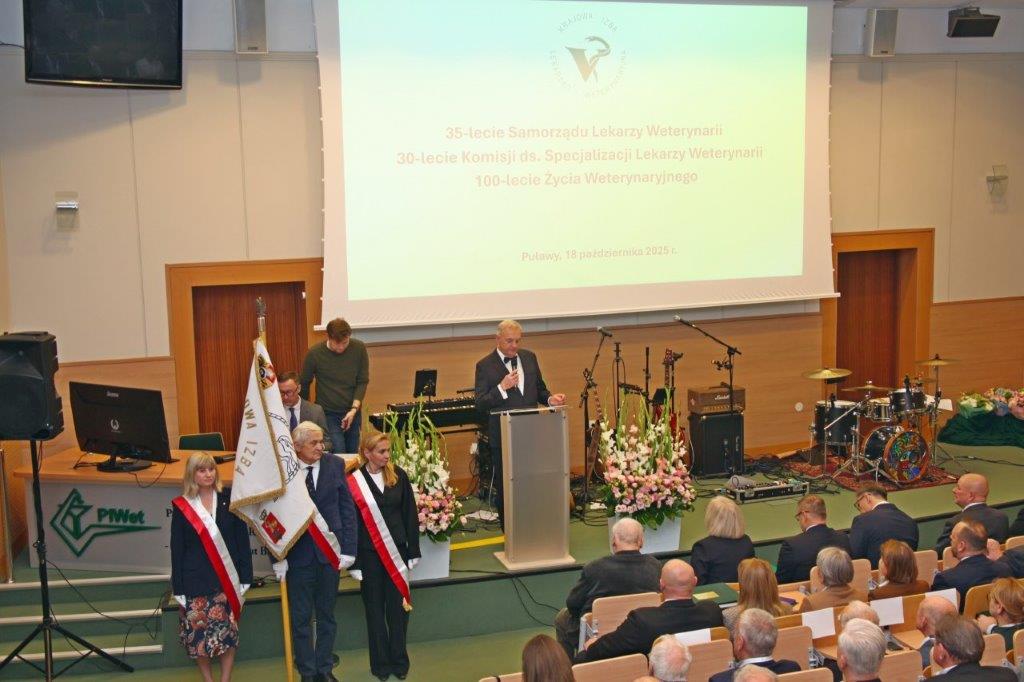
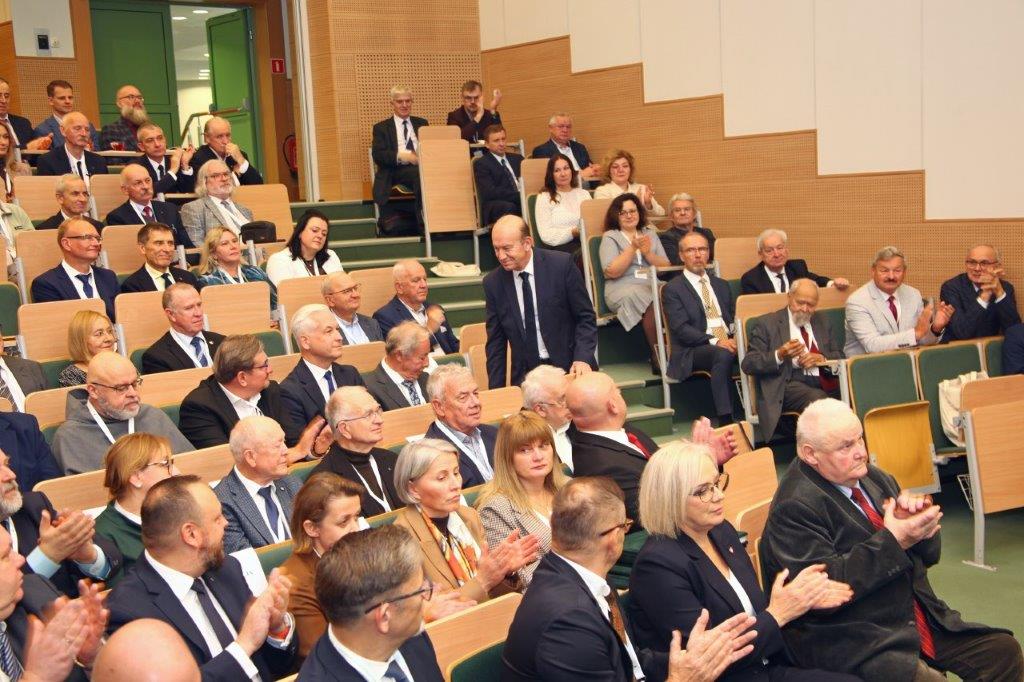
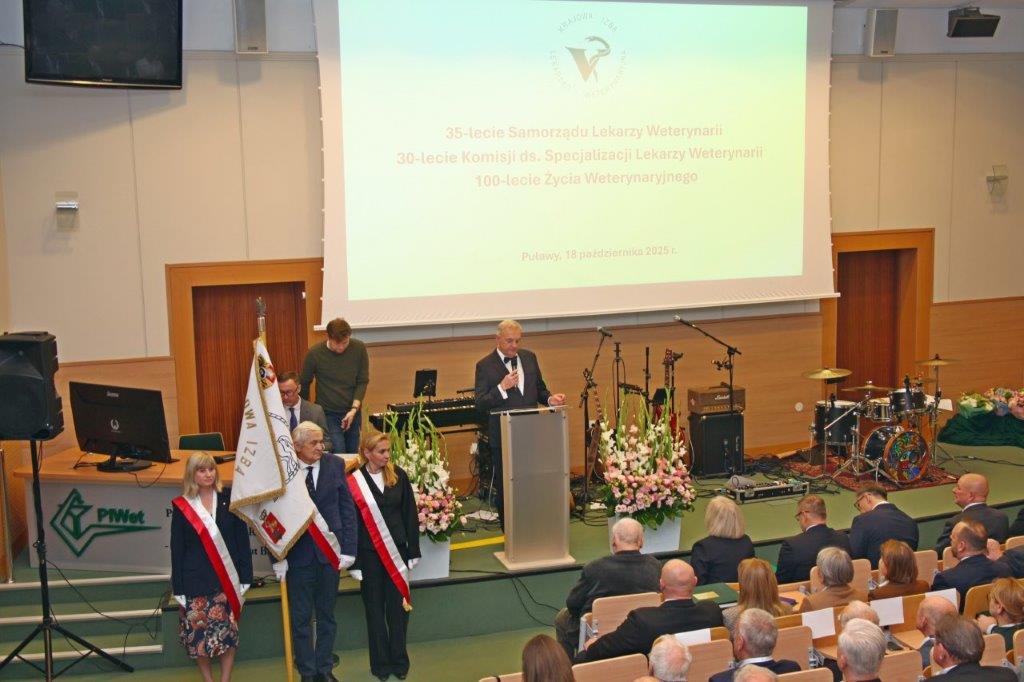
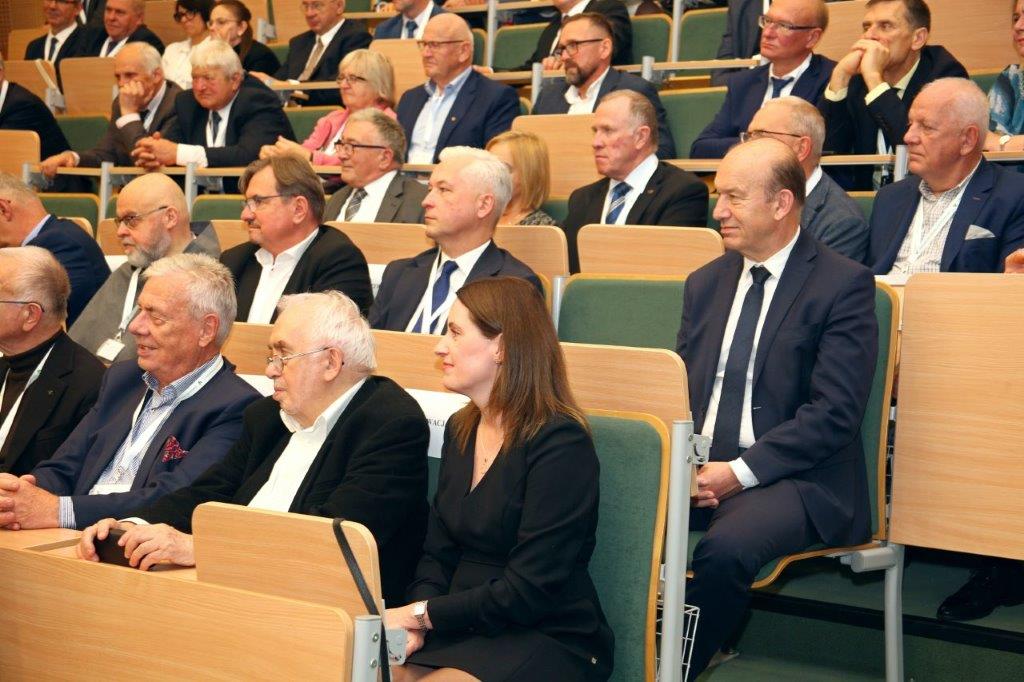
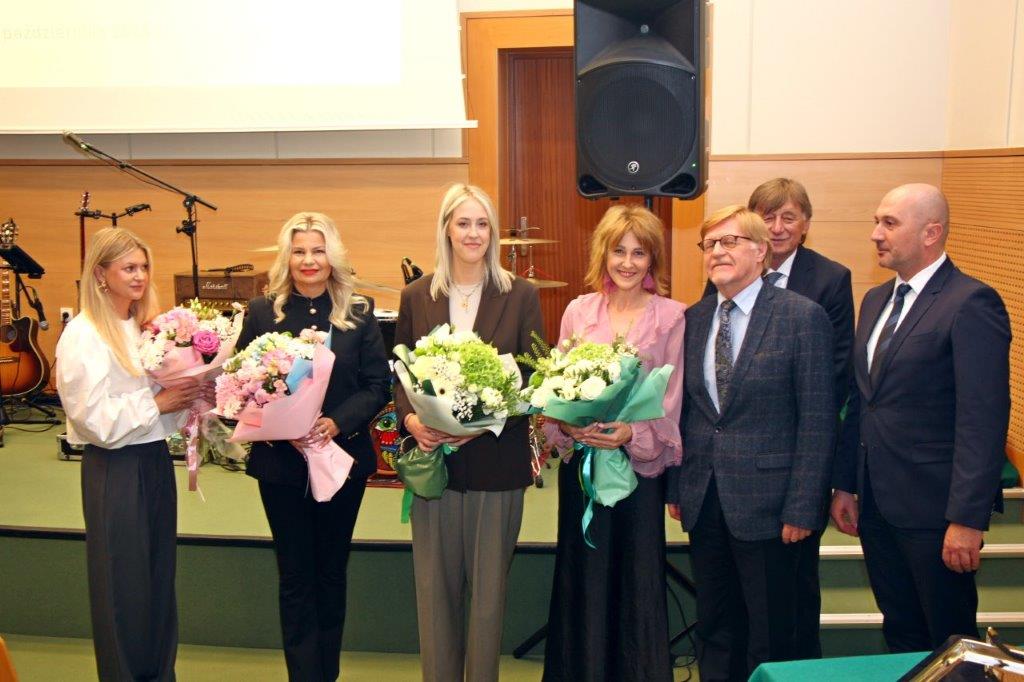
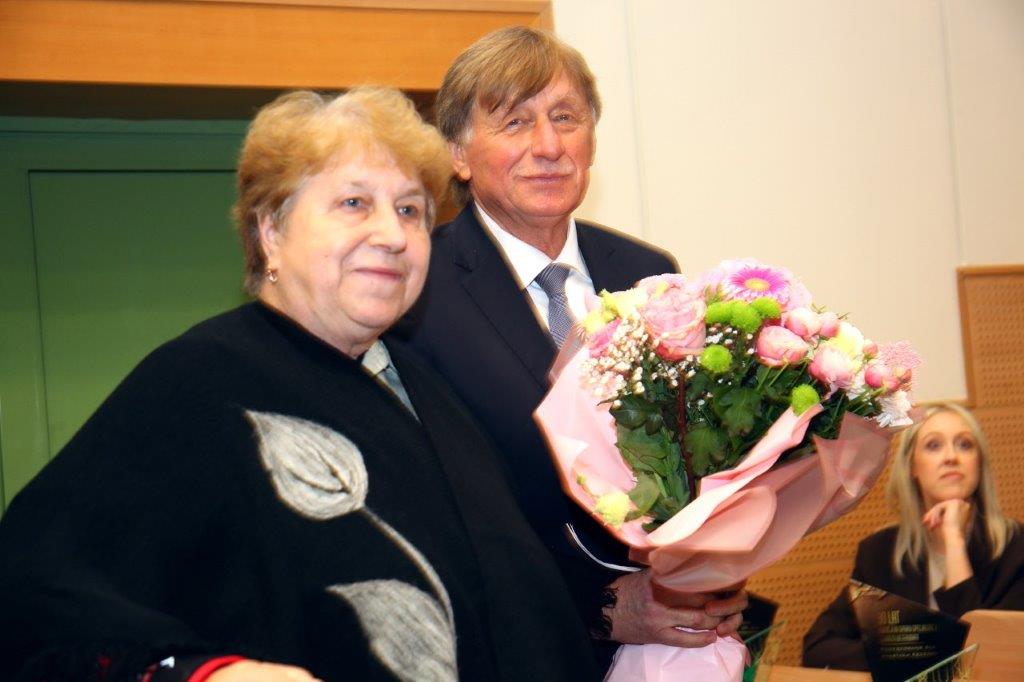
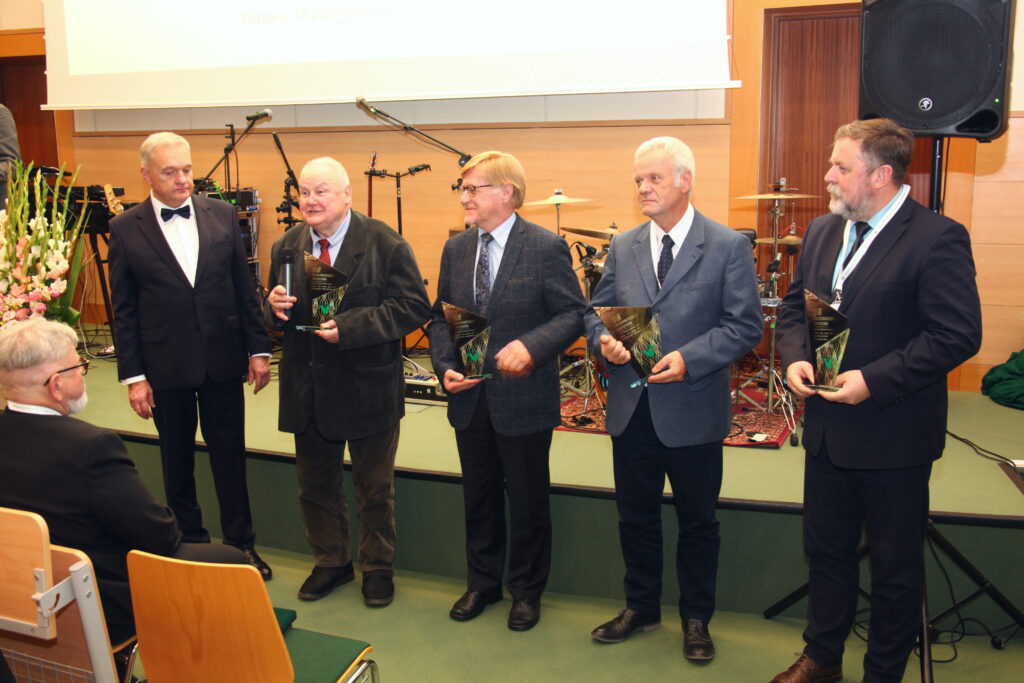
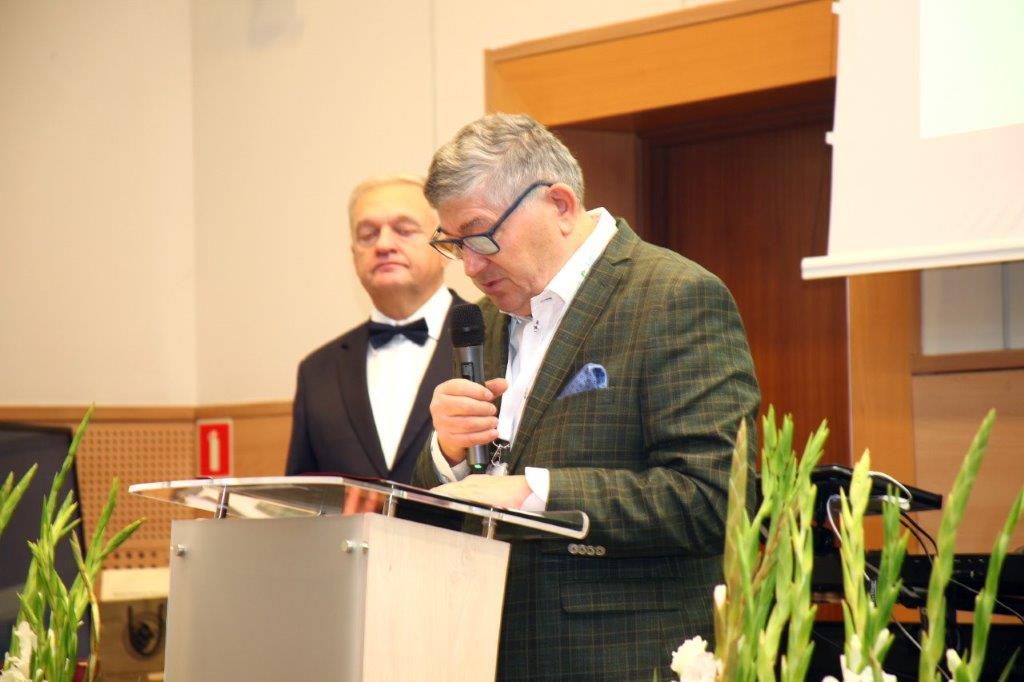
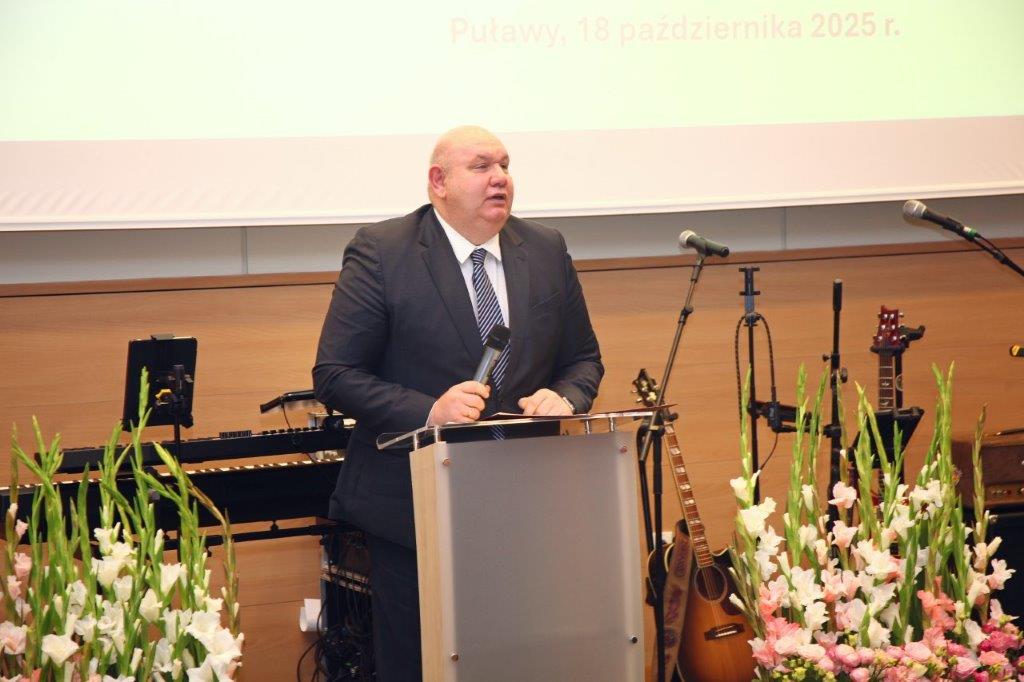
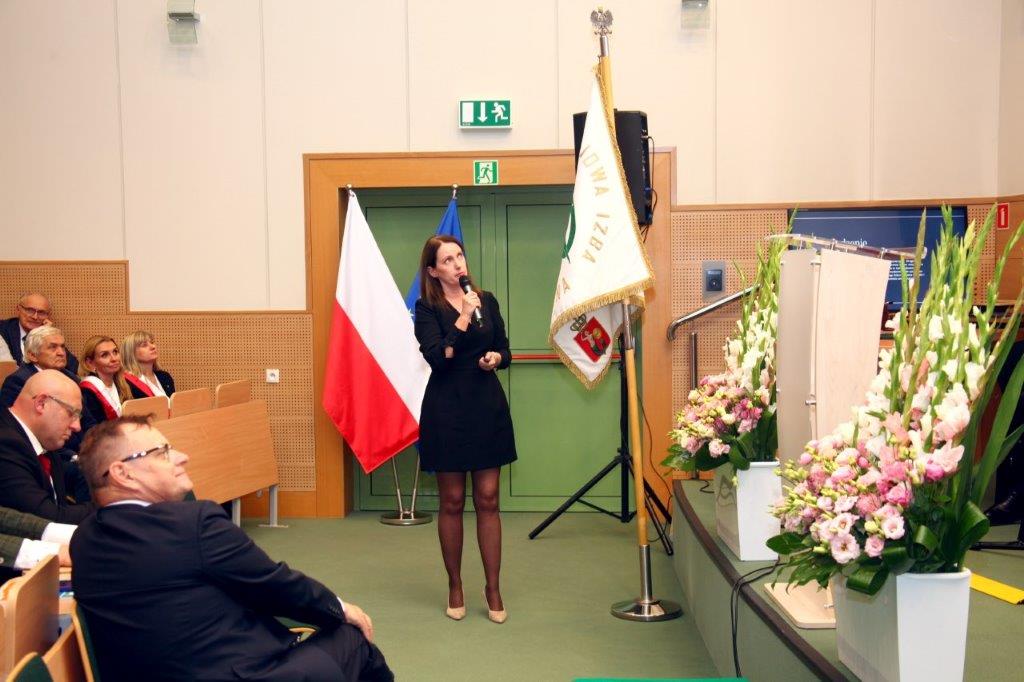
On October 18, 2025, ceremonies commemorating three significant anniversaries of the veterinary community took place at the National Veterinary Research Institute: the 35th Anniversary of the Veterinary Self-Government in Poland, the 30th Anniversary of the Veterinary Specialization Committee, and the 100th Anniversary of the journal “Życie Weterynaryjne”. The event gathered numerous representatives from the veterinary community, professional self-government, academia, state administration, and industry organizations.
The celebrations were attended by top-level administration and self-government representatives: Deputy Speaker of the Sejm of the Republic of Poland, Dr. Dorota Niedziela, Deputy Director of the Department of Food Safety and Veterinary Medicine, Magdalena Bartosińska, Plenipotentiary of the Minister of Agriculture and Rural Development for Animal Welfare, Dr. Maciej Gogulski, DVM, and Chief Veterinary Officer, Dr. Krzysztof Jażdżewski. The presence of such a wide array of guests confirmed the significance of the anniversary celebrations for the entire community.
The ceremony was an opportunity to recall the beginnings of the veterinary self-government’s activities, summarize its achievements, and discuss the challenges and directions for the development of the veterinary profession. Shared memories, speeches, and conversations accompanying the event helped outline both historical achievements and priorities for the coming years — in the areas of specialization, education, animal health protection, and international cooperation.
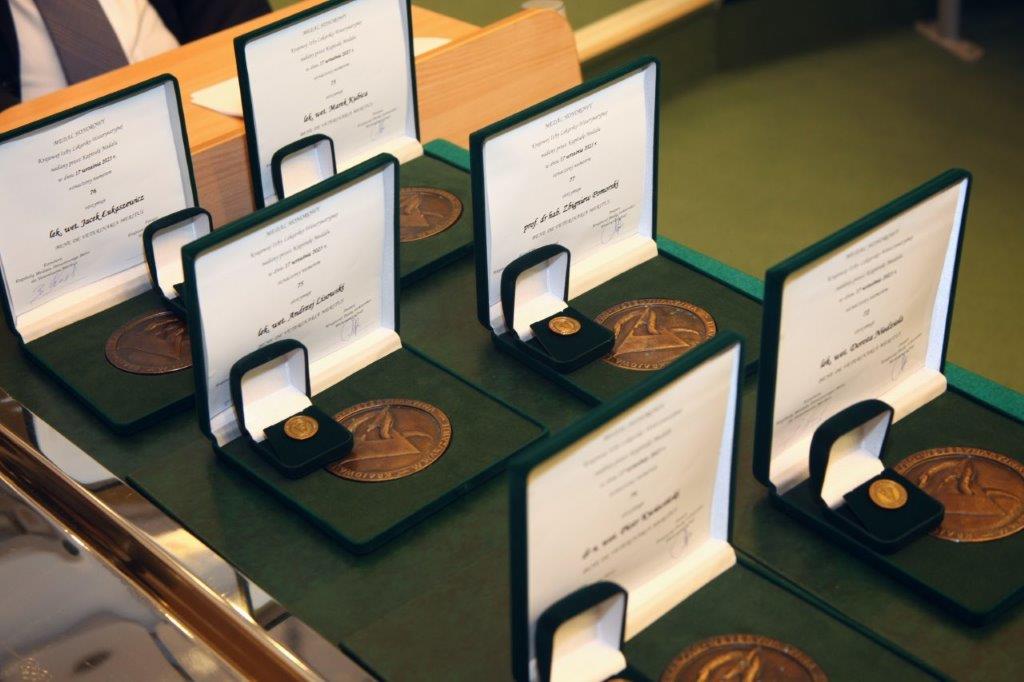
A special highlight of the celebrations was the presentation of the “Bene de Veterinaria Meritus” Honorary Medals — awards granted for outstanding contributions to the development of the veterinary profession and the enhancement of its prestige. Among those honored for their activities and contributions to the community were:
Dr. Dorota Niedziela — Deputy Speaker of the Sejm of the Republic of Poland,
Prof. Zbigniew Pomorski — first chairman of the Veterinary Specialization Committee,
Piotr Kwieciński — Vice President of the Federation of Veterinarians of Europe (FVE),
Andrzej Lisowski — Senior President of the Polish Association of Small Animal Veterinarians,
Jacek Łukaszewicz — President of the National Veterinary Chamber of the 6th and 7th terms,
Marek Kubica — Vice President of the National Veterinary Chamber.
The awarding of medals is an expression of the community’s gratitude for years of work, commitment to raising veterinary practice standards, and efforts to protect animal health and food safety.
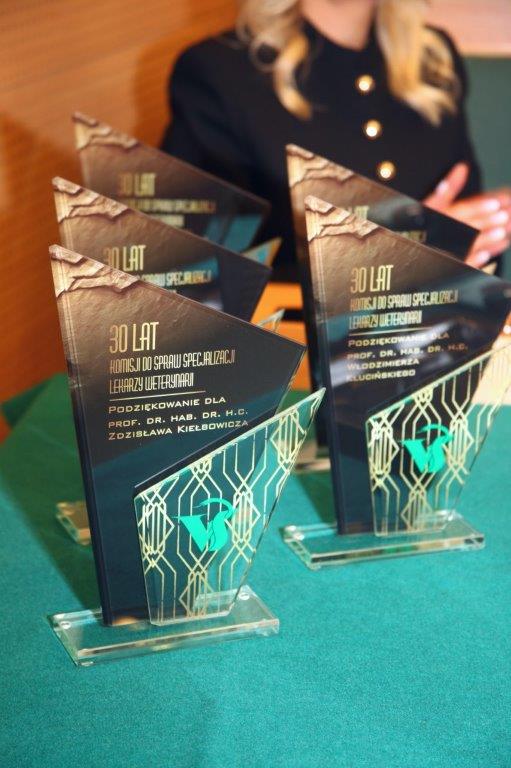
All former chairmen of the Specialization Committee were gratefully remembered: Prof. Zbigniew Pomorski, Prof. Tomasz Janowski, Prof. Włodzimierz Kluciński, and Prof. Zdzisław Kiełbowicz — who were presented with commemorative statuettes. Ms. Anastazja Kędziora — a long-serving and exceptionally dedicated employee of the institute — also received her statuette, honored with a standing ovation for her continuous commitment and service to the institution.
Thanks for many years of cooperation with the Specialization Committee were also extended to current institute employees: Joanna Stachyrzy-Wolska, Karolina Radzikowska, Ksenia Surowiecka, and Magdalena Grudzień.
Thanks to the hospitality of the Institute’s director, Prof. Stanisław Winiarczyk — who has been associated with both the National Veterinary Chamber and the Specialization Committee for years — the anniversary celebration could take place at the Institute’s headquarters, which plays a significant role in the development of Polish veterinary science and serves as an important expert base for the entire community.
The celebrations on October 18, 2025, were not only a tribute to the achievements of past years but also an important impetus for further work on the development of specialization, raising professional standards, and building the position of veterinary medicine in Poland and internationally. The meeting highlighted the importance of continuous cooperation — between science, self-government, and administration — for the future of the veterinary profession.
W celu świadczenia usług na najwyższym poziomie stosujemy pliki cookies, które będą zamieszczane w Państwa urządzeniu (komputerze, laptopie, smartfonie). W każdym momencie mogą Państwo dokonać zmiany ustawień Państwa przeglądarki internetowej i wyłączyć opcję zapisu plików cookies. Szczegółowe informacje dostępne są w naszej polityce prywatności.