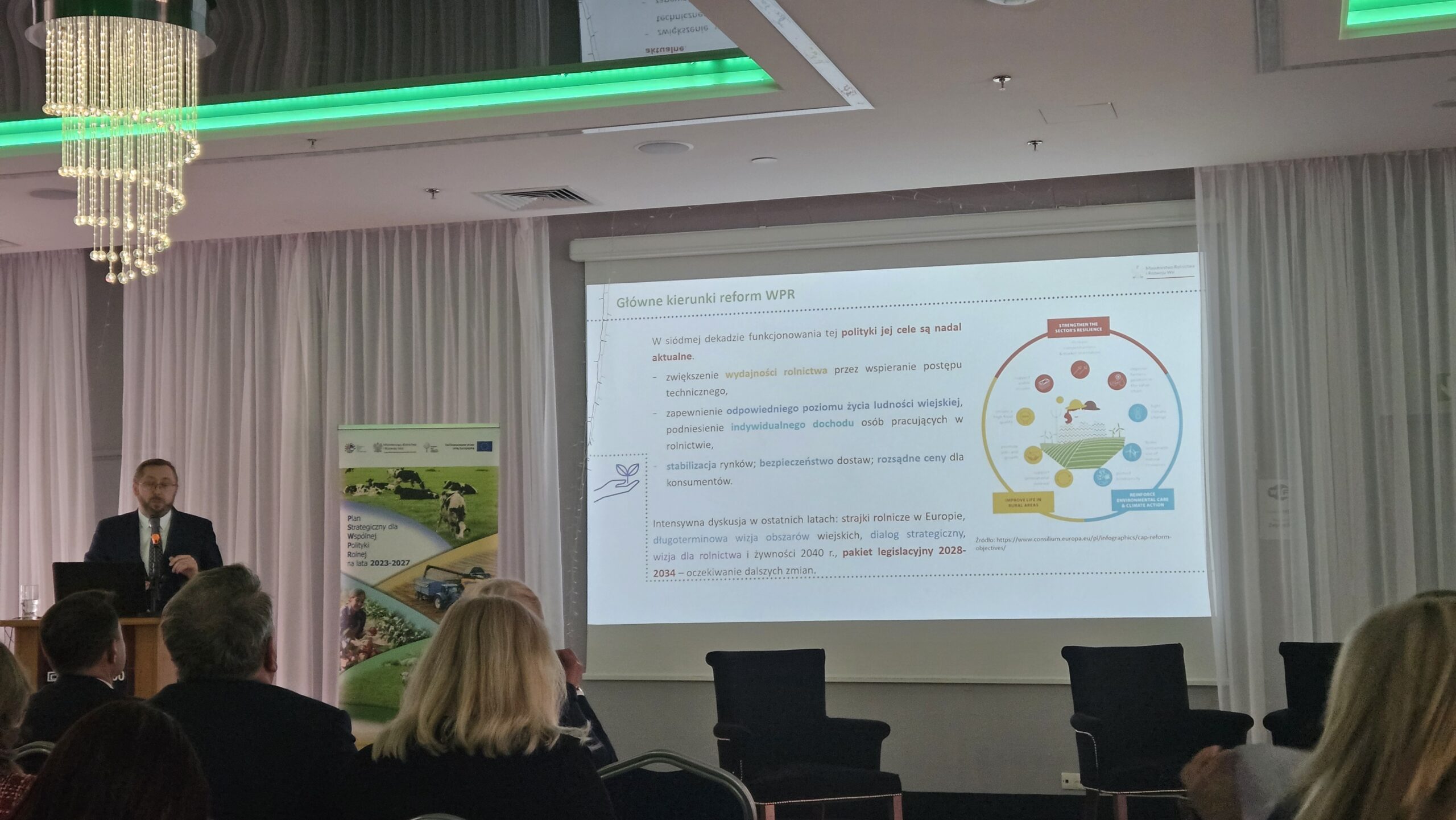
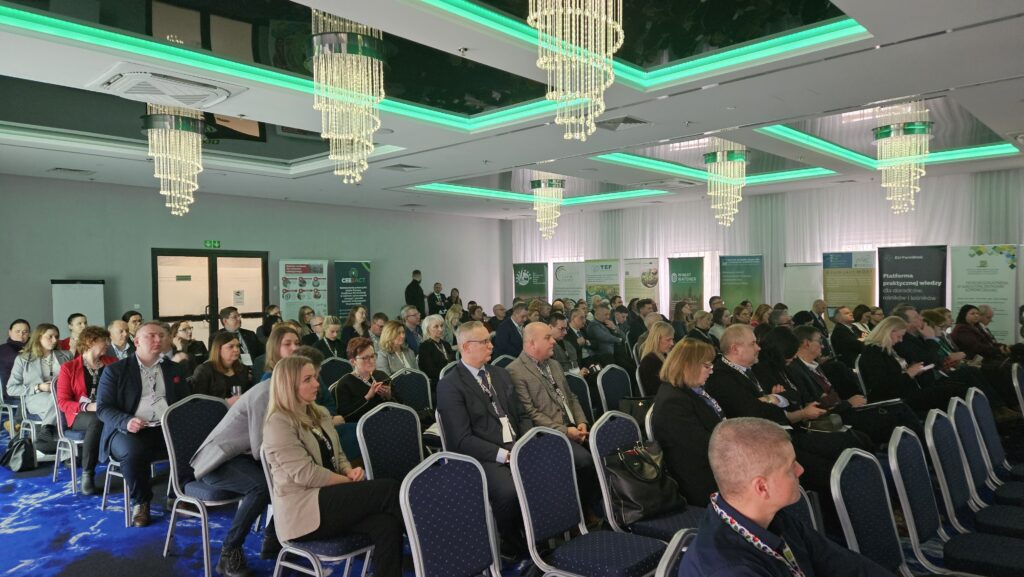
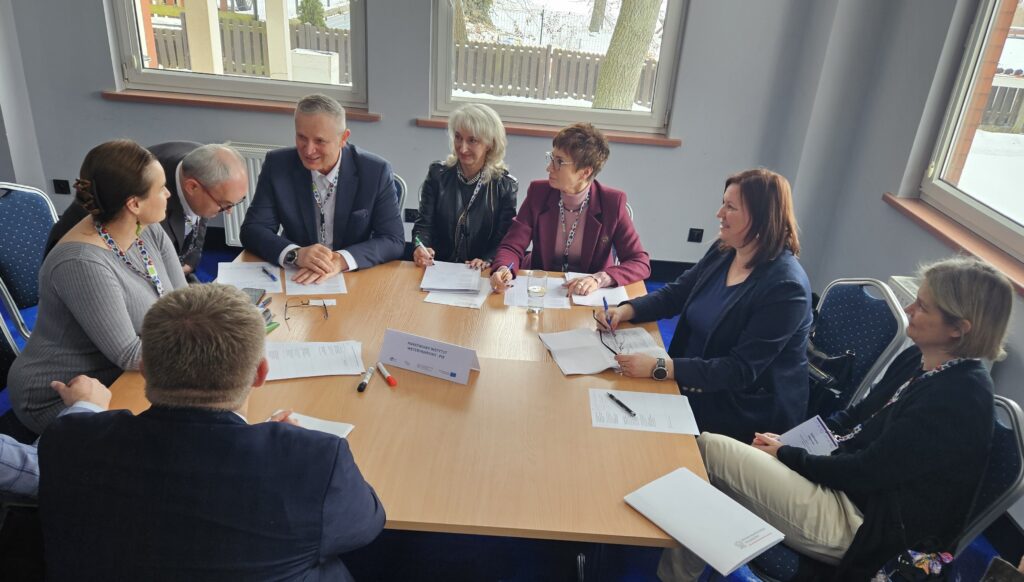
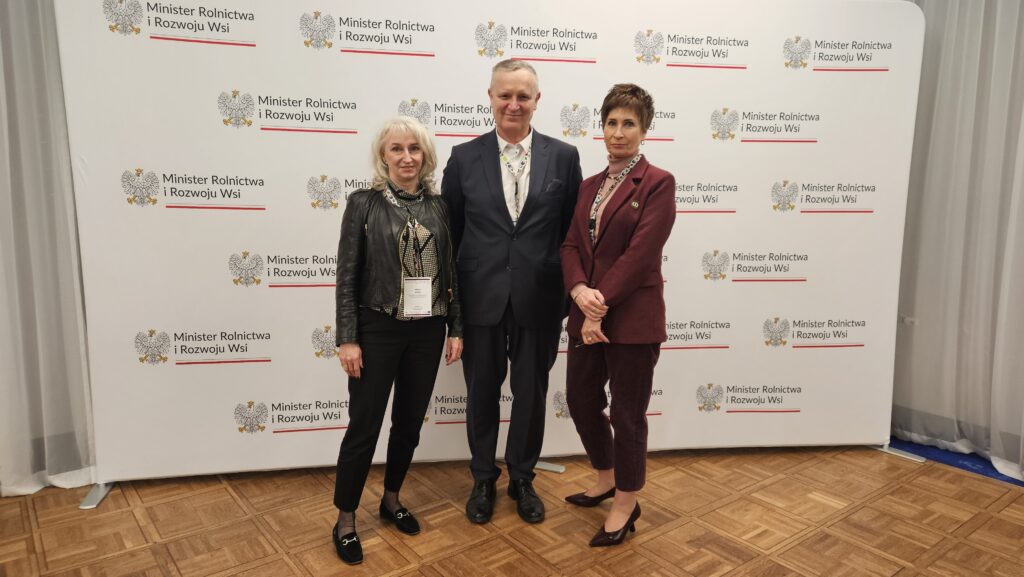
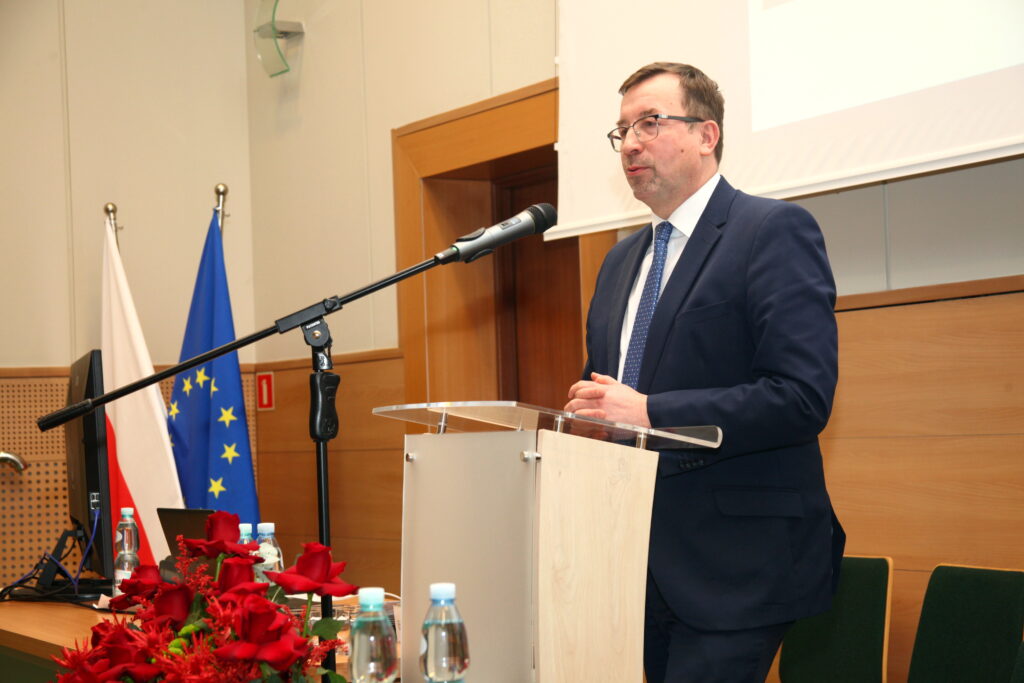
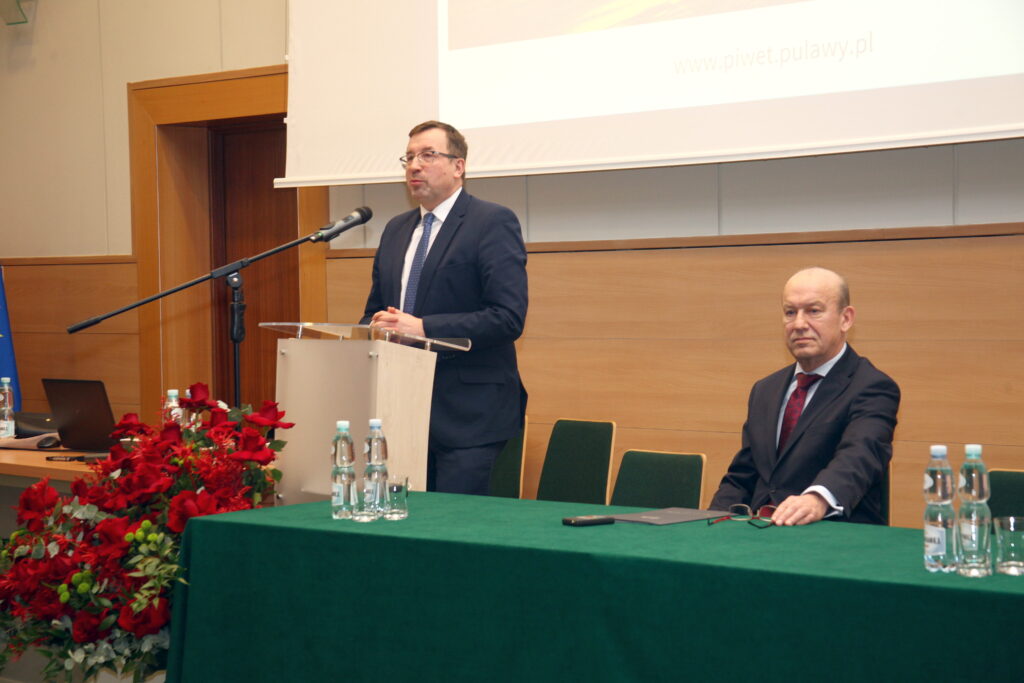
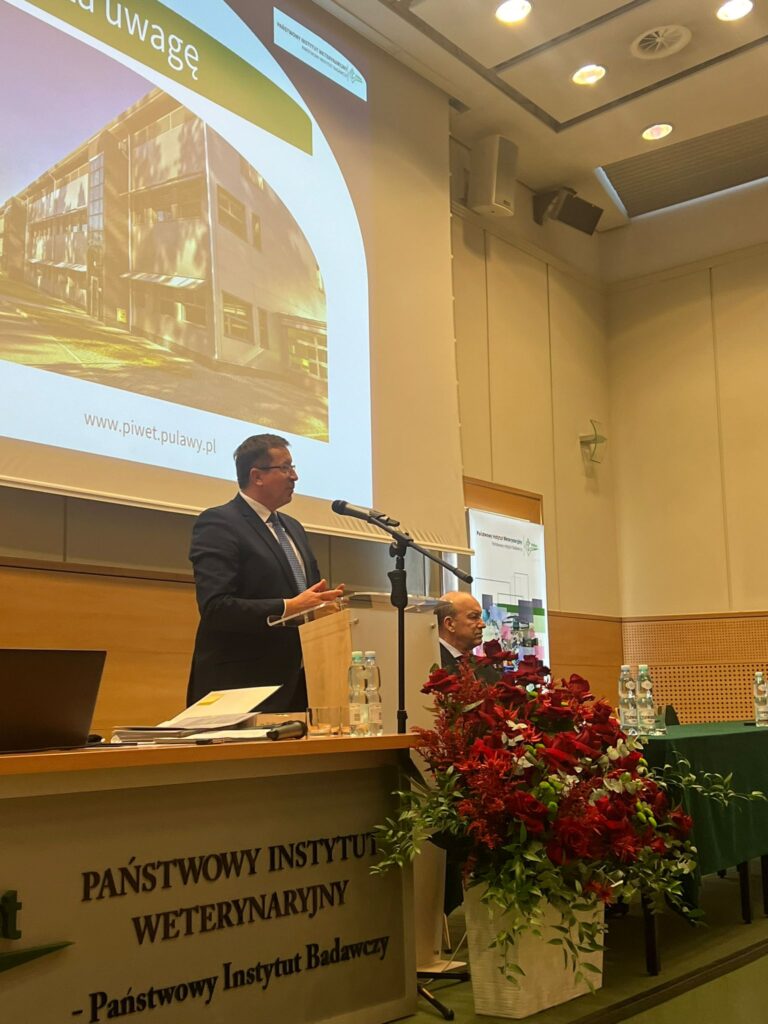
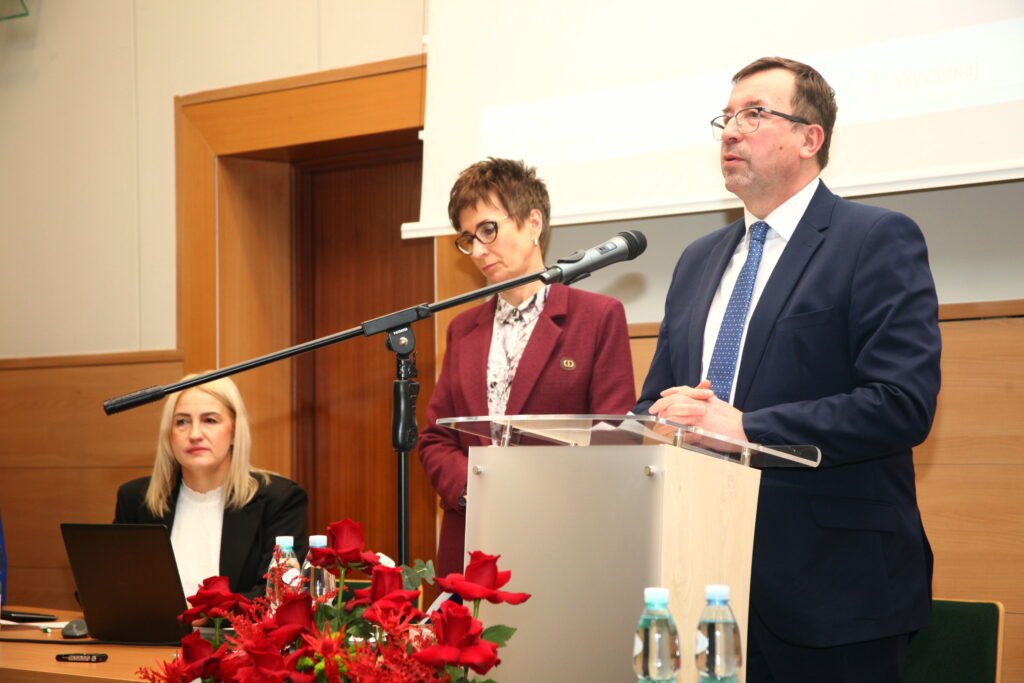
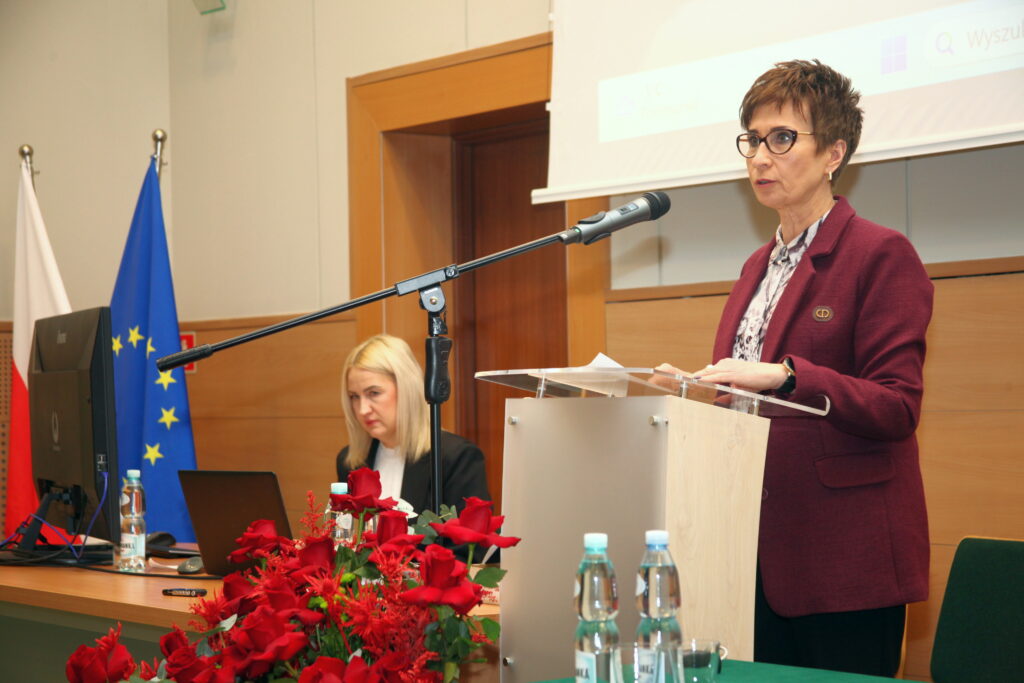
On February 17-18 this year, representatives of the Institute: Professor Mirosław P. Polak, Deputy Director for Research, and M.Sc. Maria Műller and M.Sc. Agnieszka Wójcik from the Publishing and Promotion Department, participated in a meeting dedicated to formulating a plan for scientific and agricultural advisory cooperation for 2026. The meeting, organized in Zegrze near Warsaw by the Ministry of Agriculture and Rural Development, was opened by Marcin Tomaszewski, Director of the Department of Knowledge Transfer and Social Affairs. Representatives of research institutes and agricultural advisory units from across the country, who participated in the meeting, familiarized themselves with the implementation of projects aimed at broader utilization of EU programs, presented by NCBR employees.
In the workshop part, representatives of the institutes and agricultural advisory units made preliminary arrangements regarding the scope of scientific and advisory cooperation for 2026, taking into account the needs reported by advisory services, both in terms of issues and forms of knowledge transfer. The reference point for the arrangements was a presentation by the General Counselor of the Ministry of Agriculture and Rural Development, Bogdan Pomianek, who outlined the assumptions of the Common Agricultural Policy after 2027.
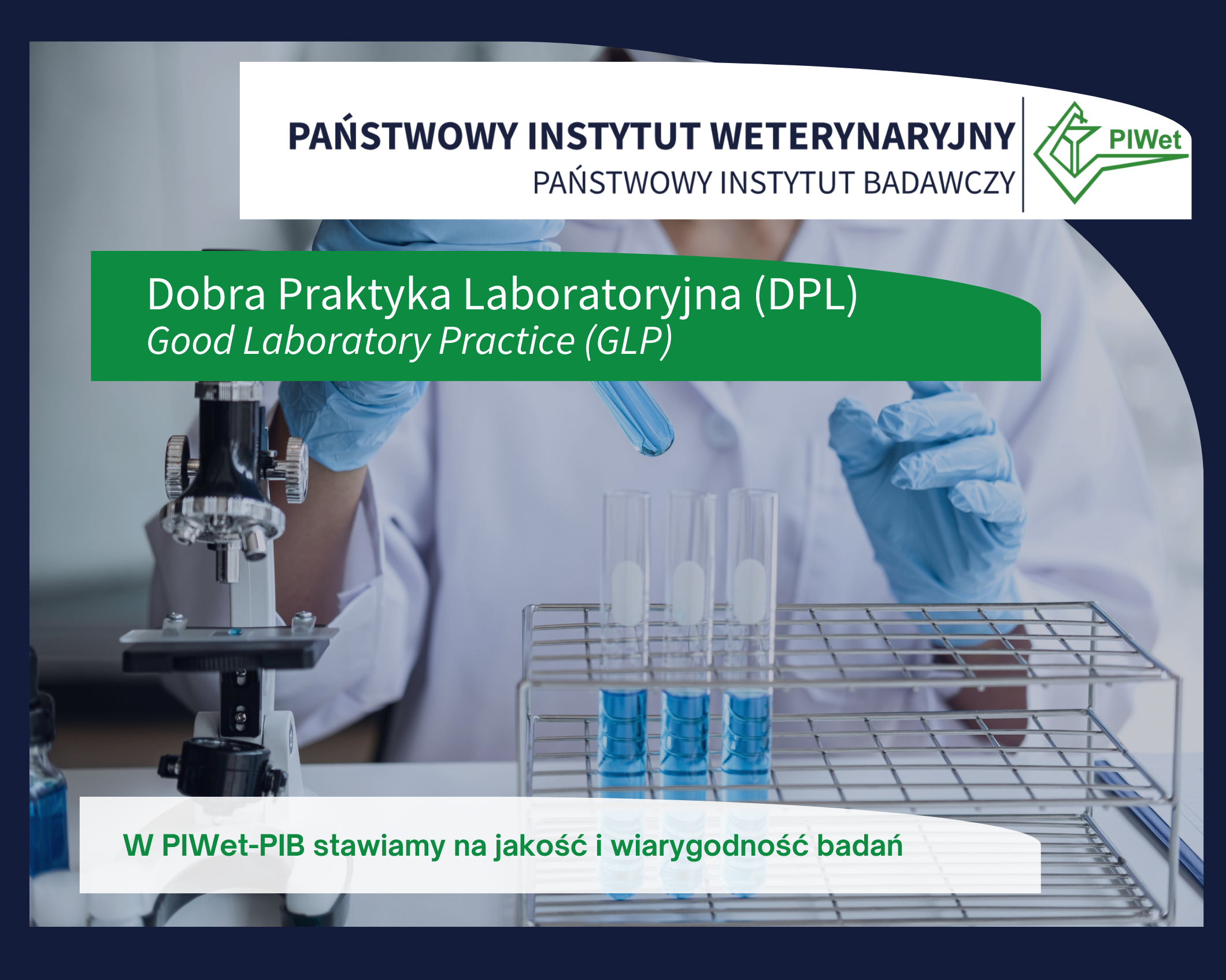
The National Veterinary Research Institute has commenced the implementation process of the principles of Good Laboratory Practice (GLP). This is an important step in the continuous improvement of PIWet-PIB’s operations.
Good Laboratory Practice is an international quality system that regulates the organization and conditions for planning, conducting, monitoring, documenting, and archiving preclinical studies. The aim of GLP is to ensure the reliability, reproducibility, and full traceability of preclinical study results.
The GLP implementation process requires the involvement of the entire Institute structure and systematic work on developing new practices. It represents an investment in the Institute’s development and strengthens PIWet-PIB’s position as a research unit operating in accordance with the highest standards.
The realization of this undertaking aligns with the strategy of continuously improving the quality of scientific research and laboratory services provided by the Institute.
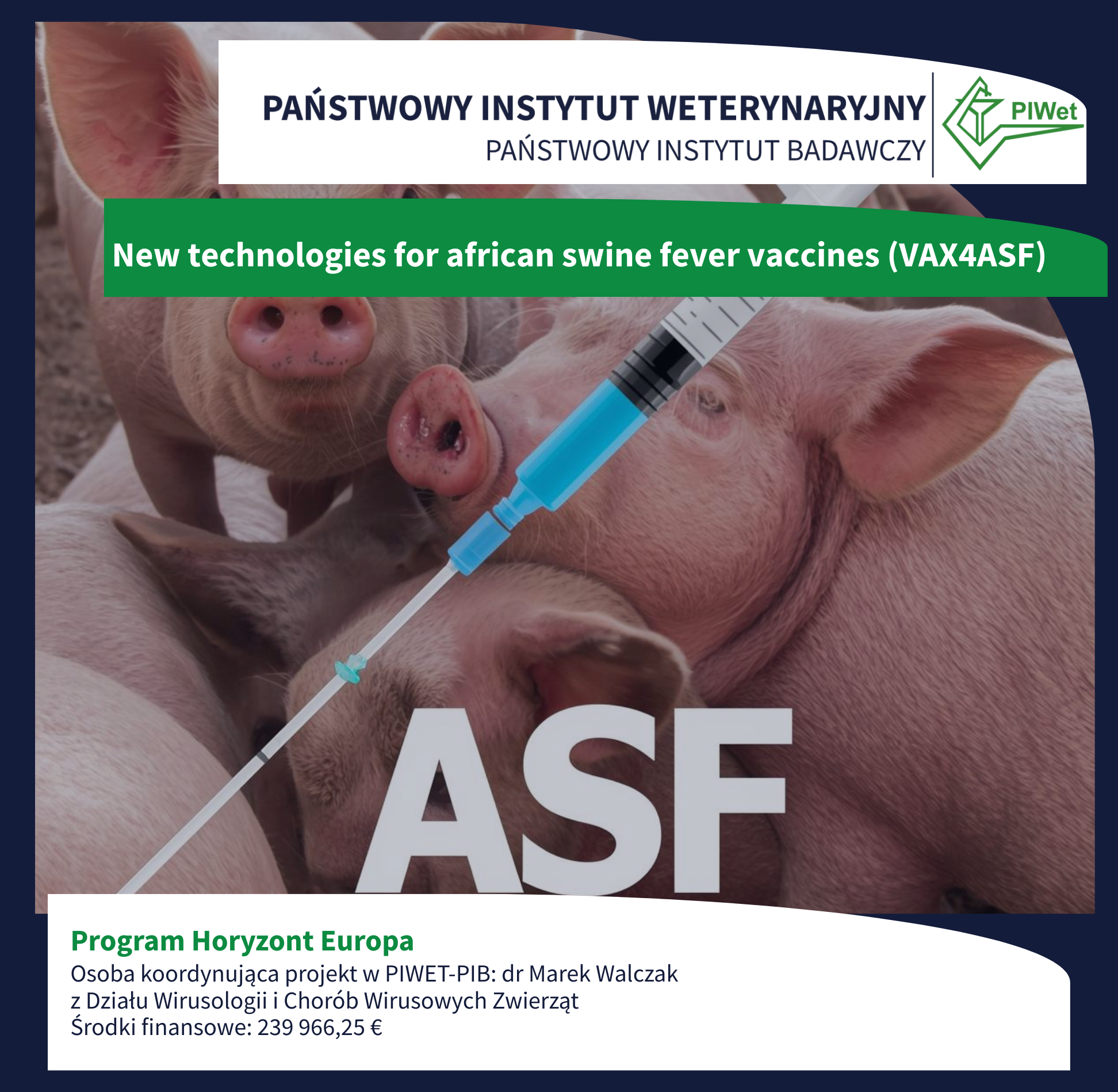
The National Veterinary Research Institute , in cooperation with 16 partners from 10 countries, is working on an innovative vaccine aimed at halting African Swine Fever (ASF) and strengthening food security in Europe.
The project coordinator at NVRI is Dr. Marek Walczak from the Department of Virology and Viral Diseases of Animals. The project is funded by the Horizon Europe program.
The international partnership within the VAX4ASF project combines the latest achievements in virology and immunology with modern technologies in animal protection. The goal is to develop an effective vaccine that will ensure the health of livestock and food safety.
VAX4ASF is an example of cooperation between scientists, experts, and institutions from across the continent, who are jointly addressing global challenges, working towards animal protection and sustainable food security.
Learn more about the project and follow its progress:
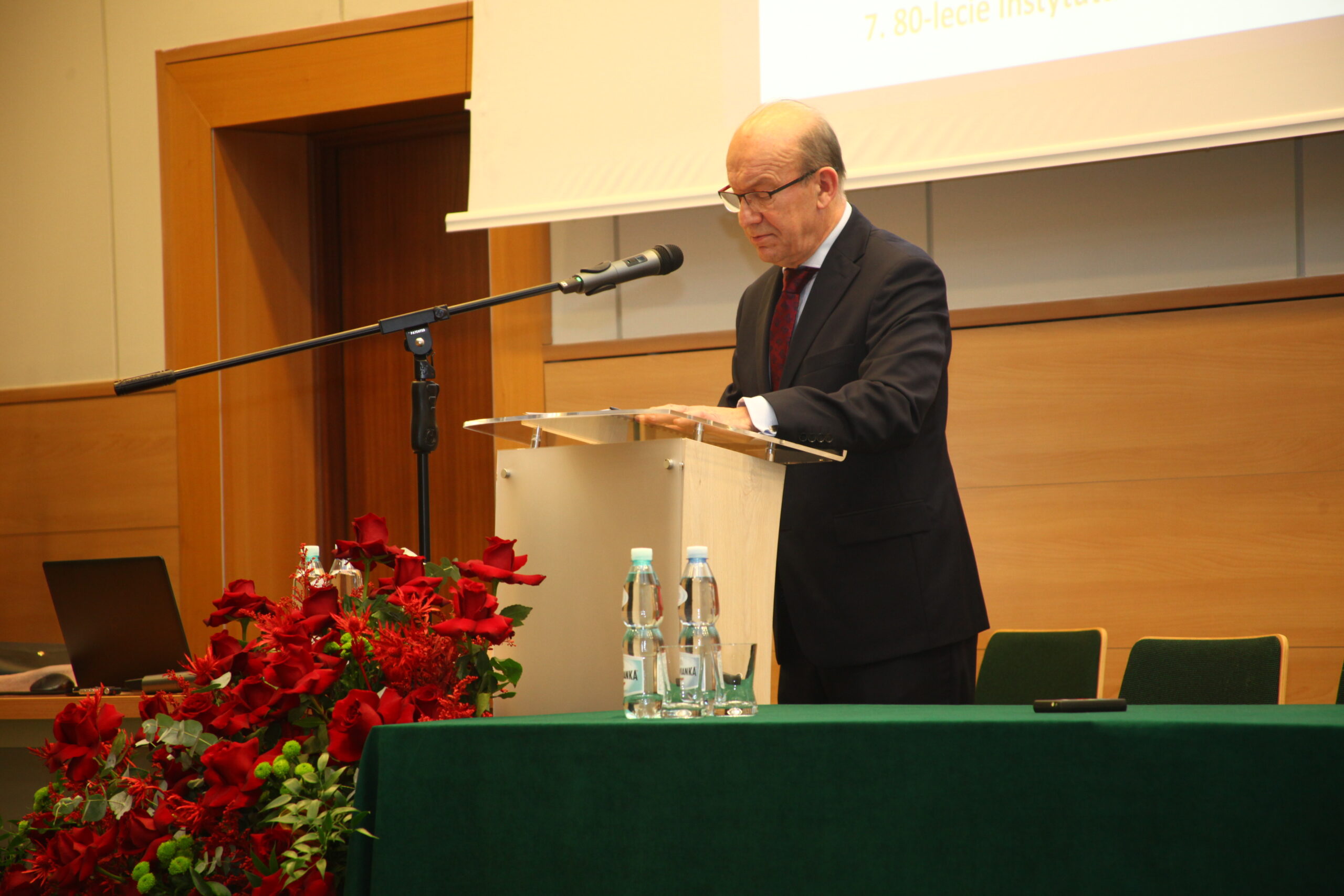
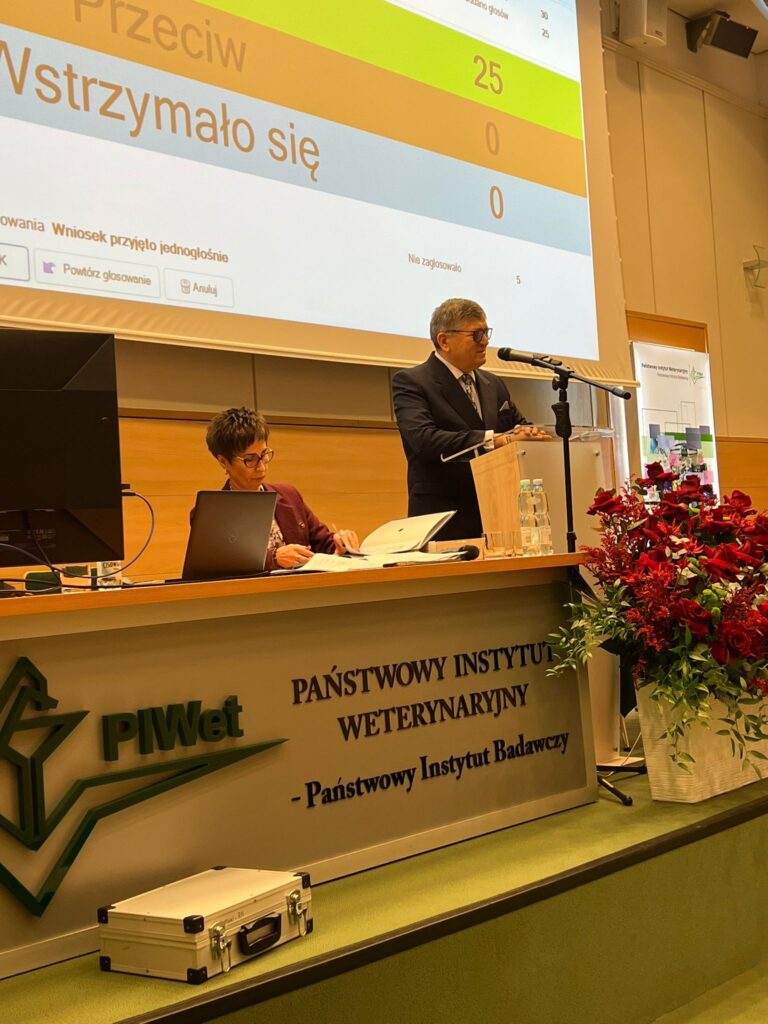
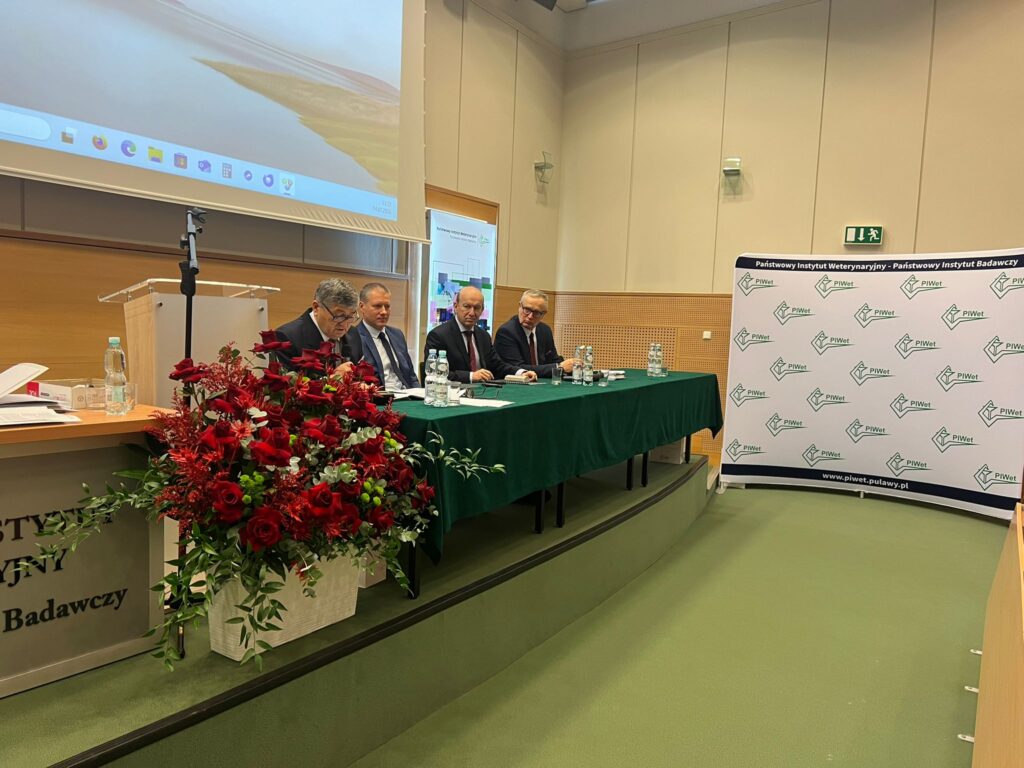
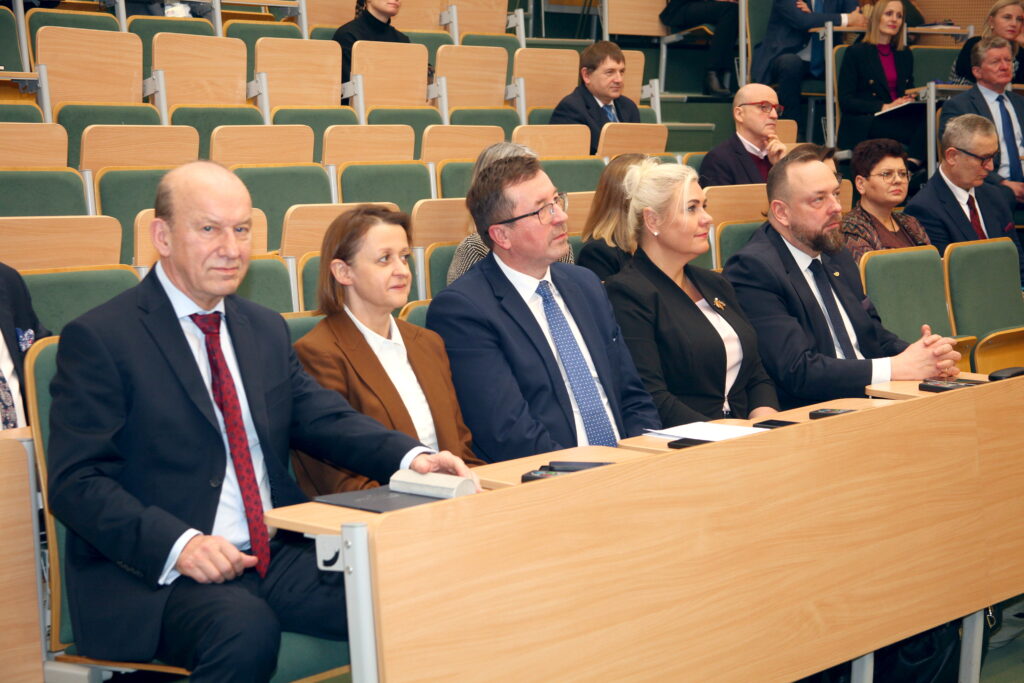
On February 4th this year, the inaugural meeting of the Scientific Council of the National Veterinary Research Institute appointed for the 2026-2030 term, took place.
The meeting was opened by the Director of NVRI, Professor Stanisław Winiarczyk., who presented information on the Institute’s activities and summarized the most important actions carried out in 2025.
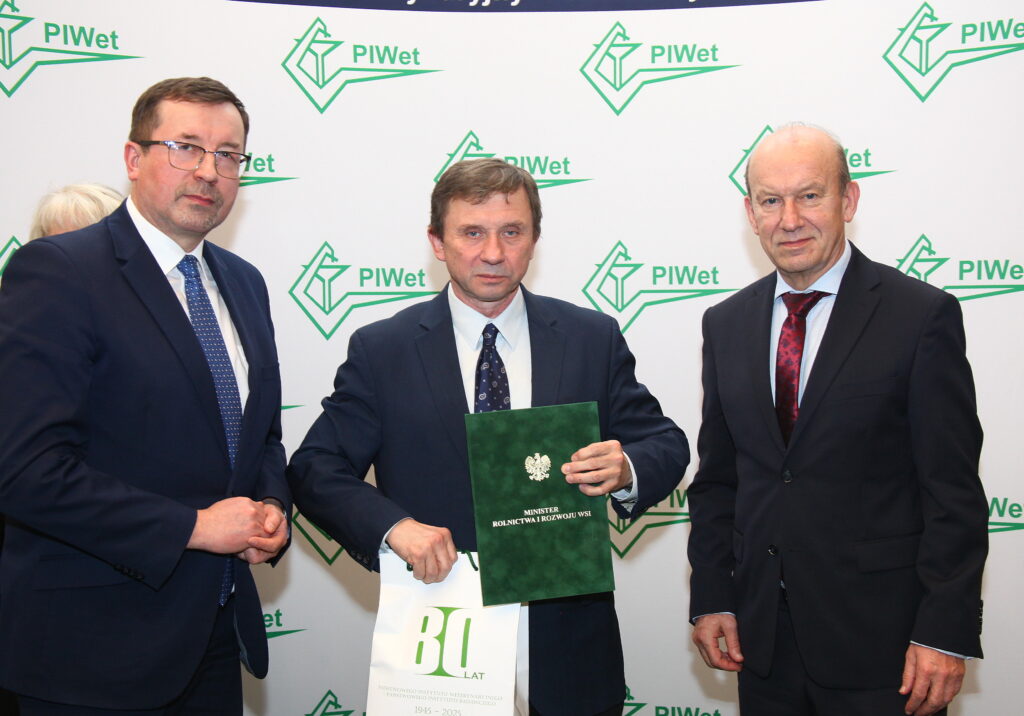
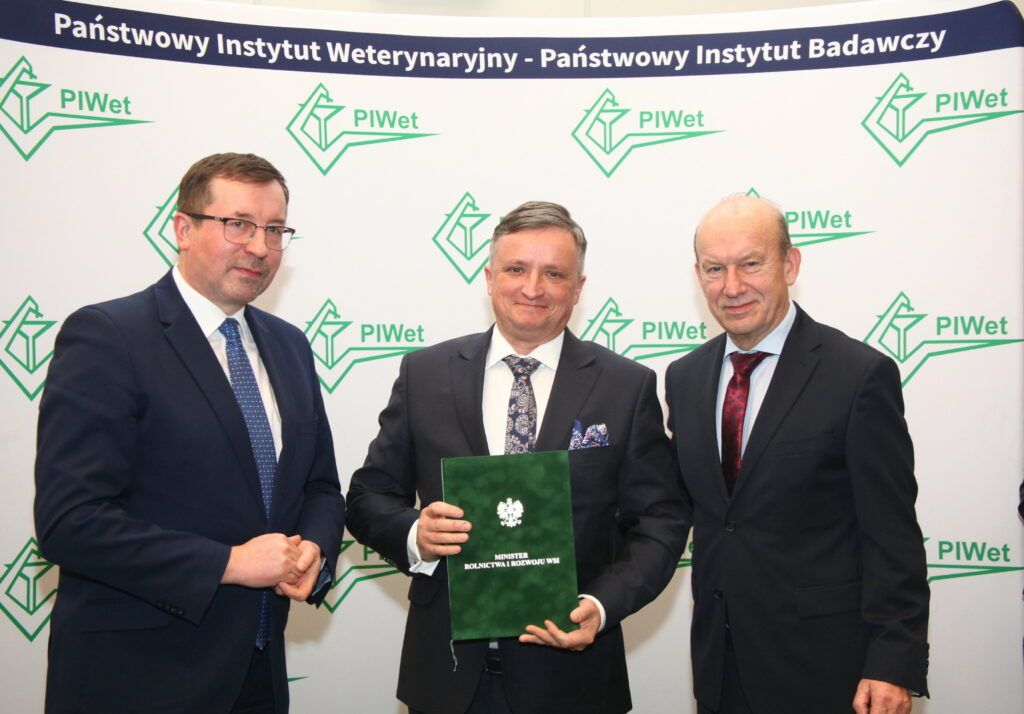
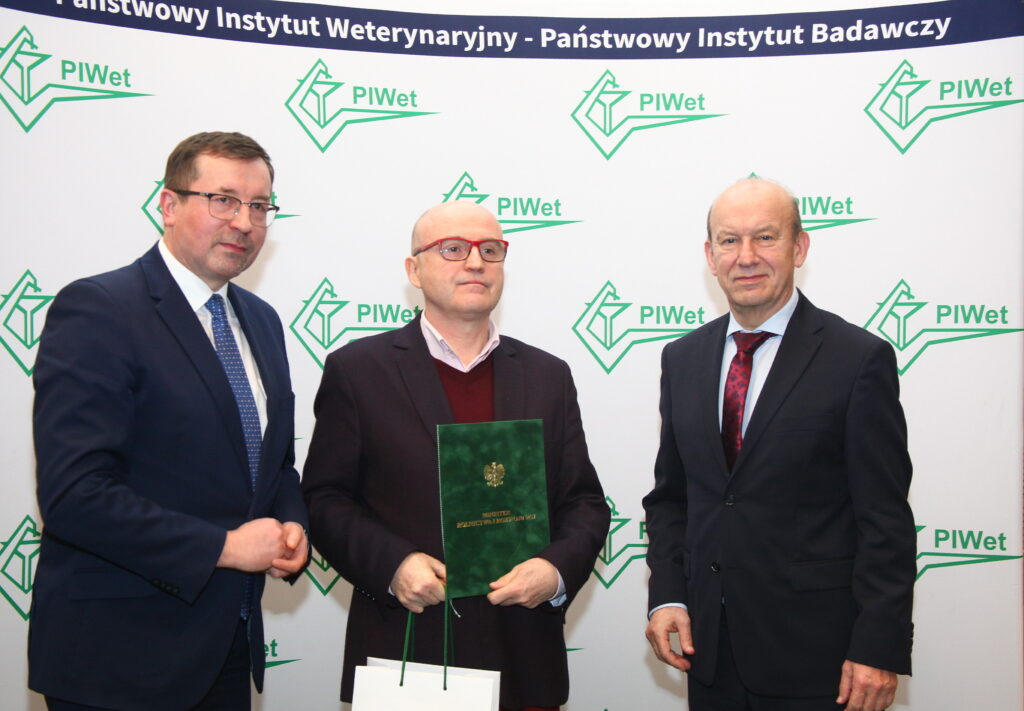
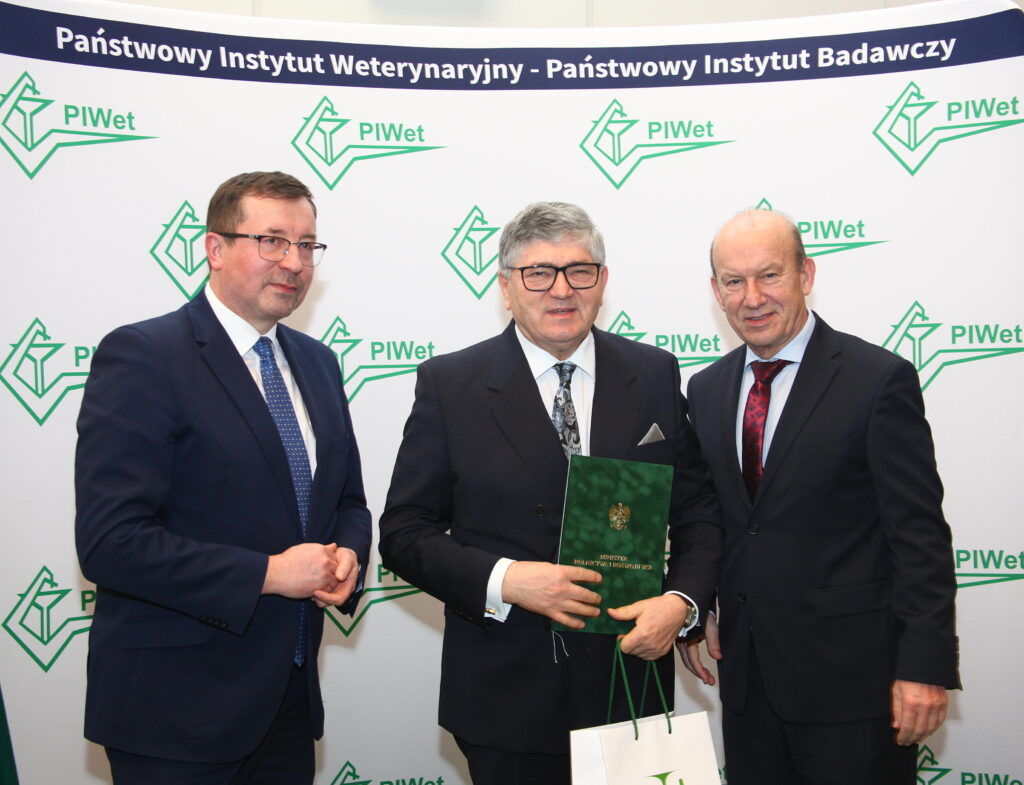
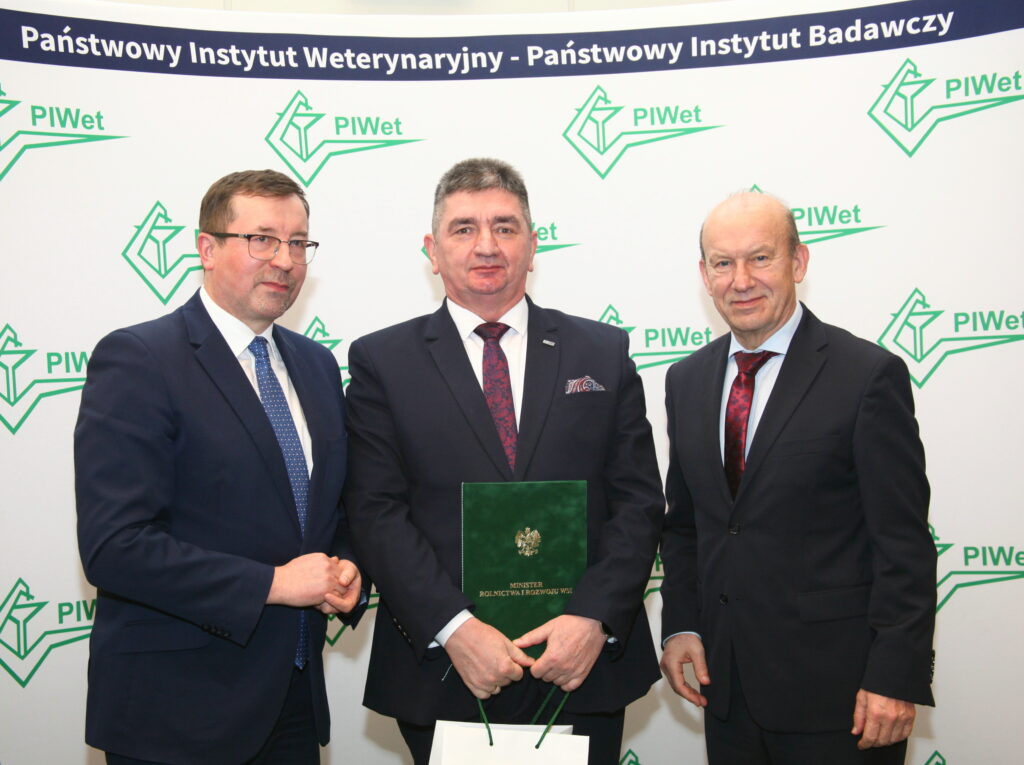
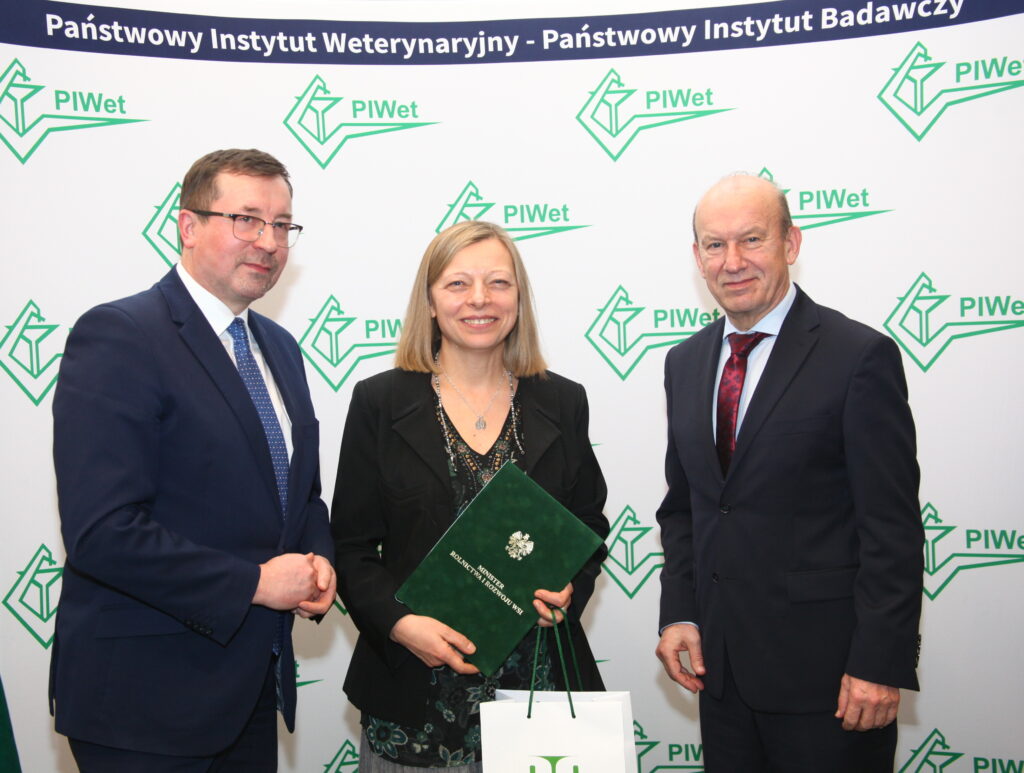
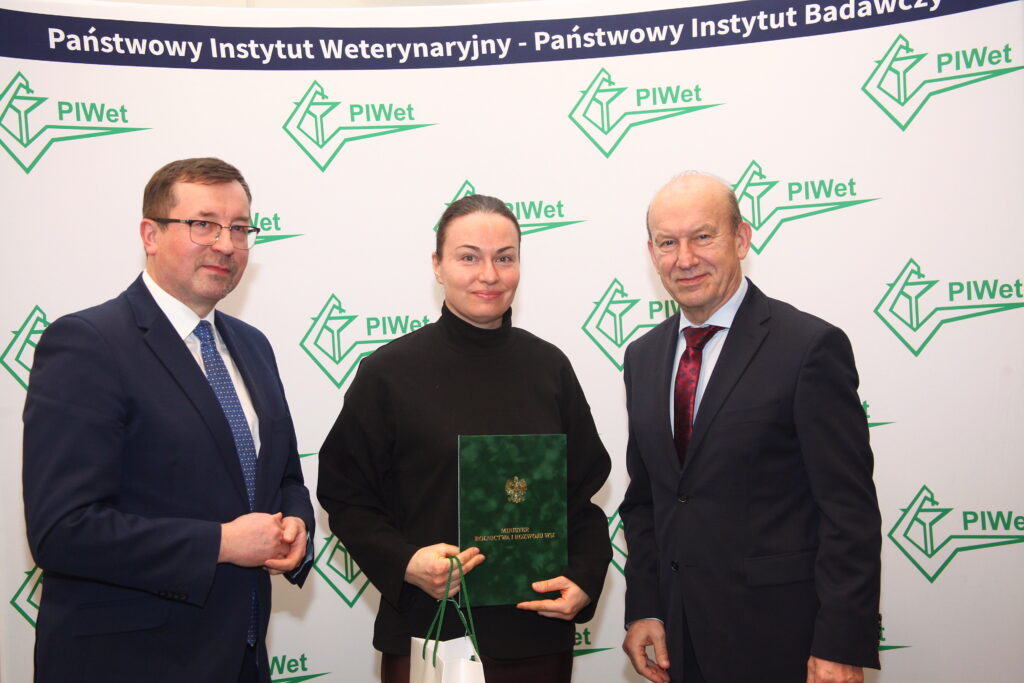
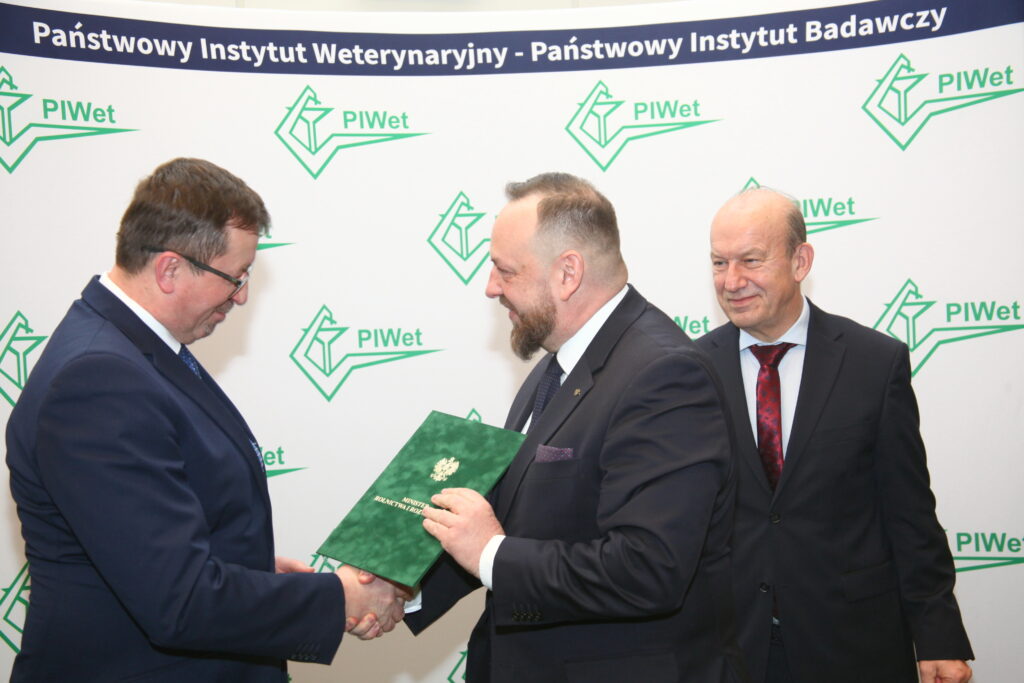
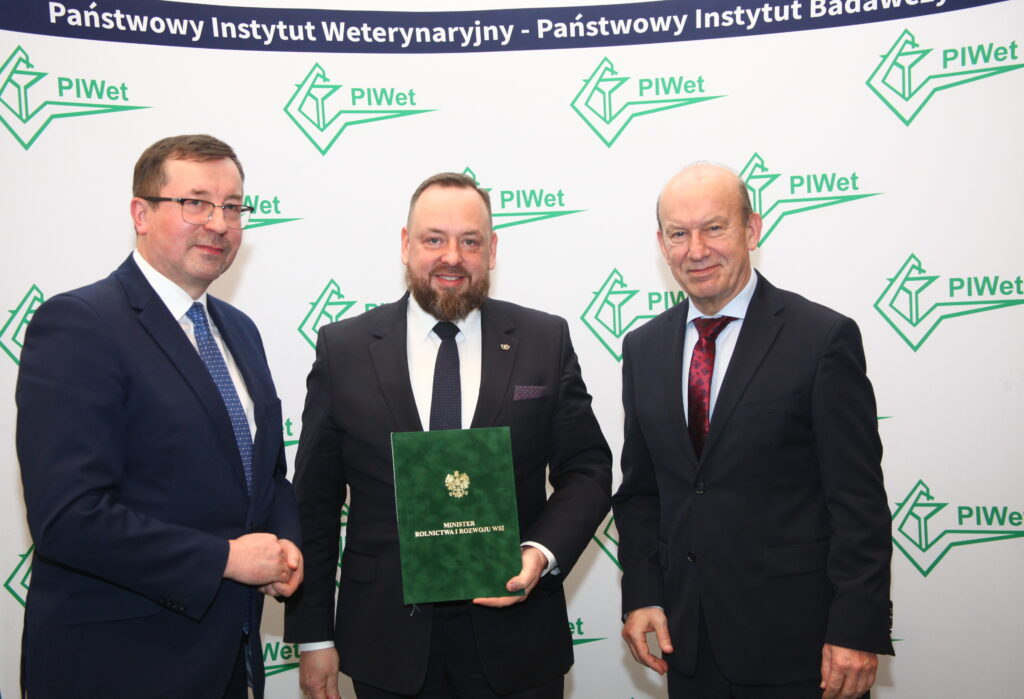
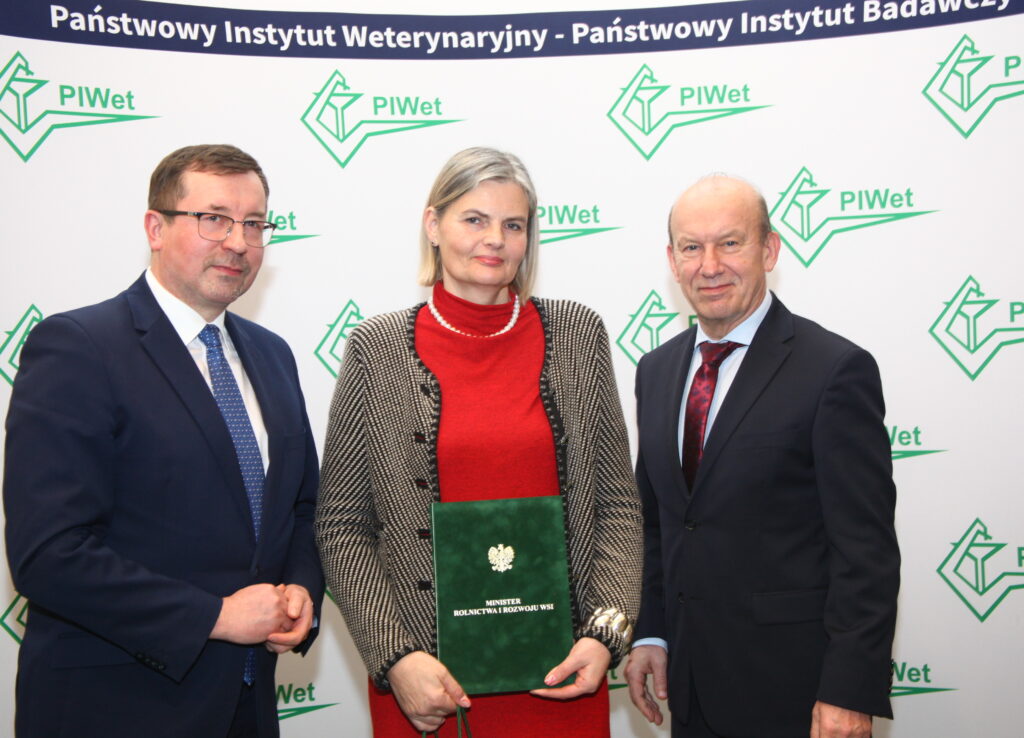
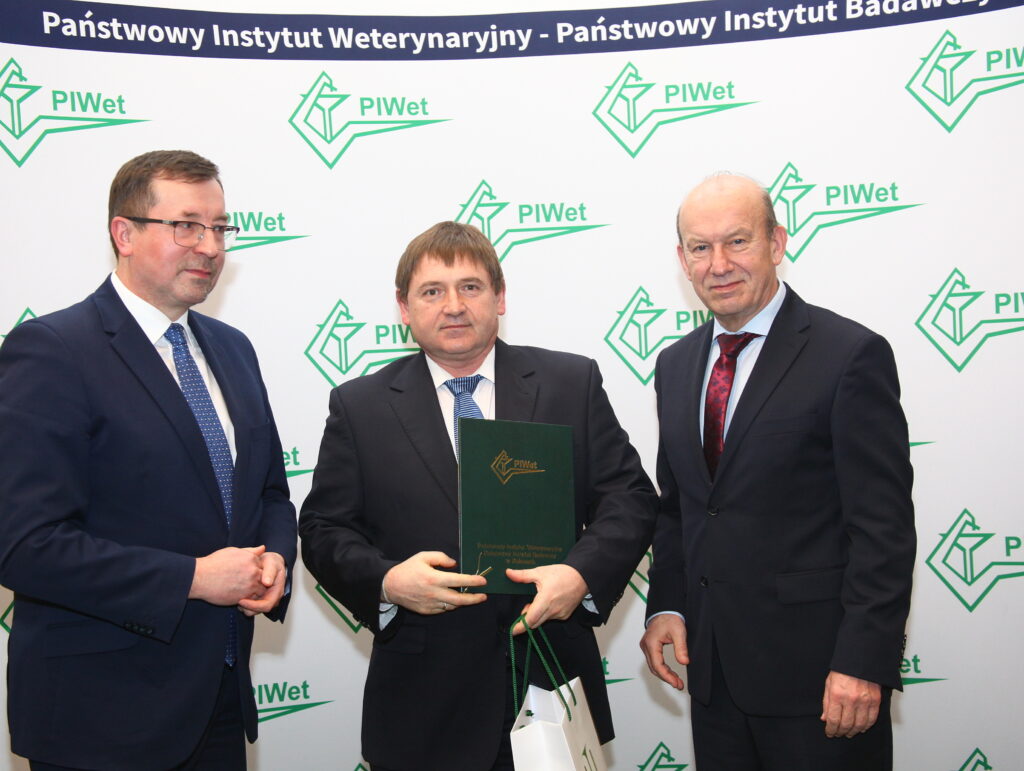
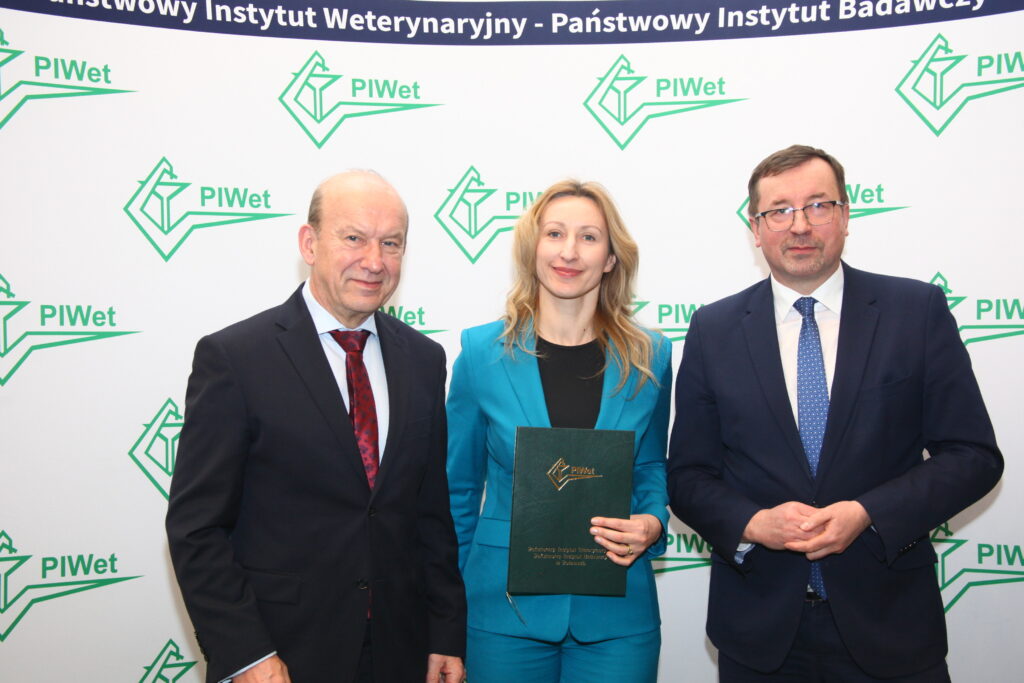
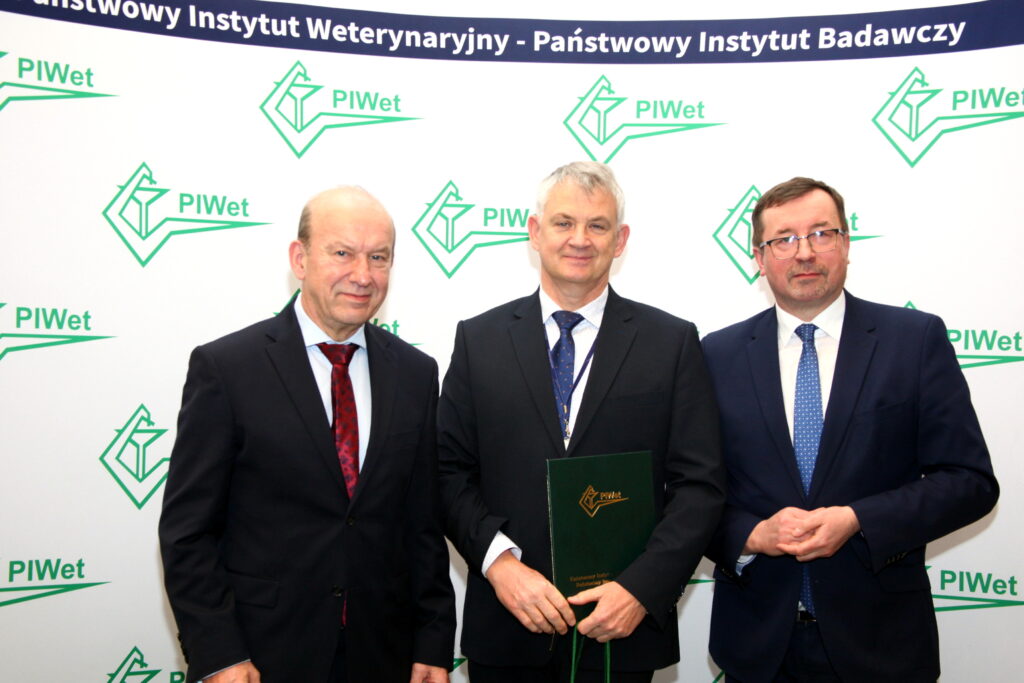
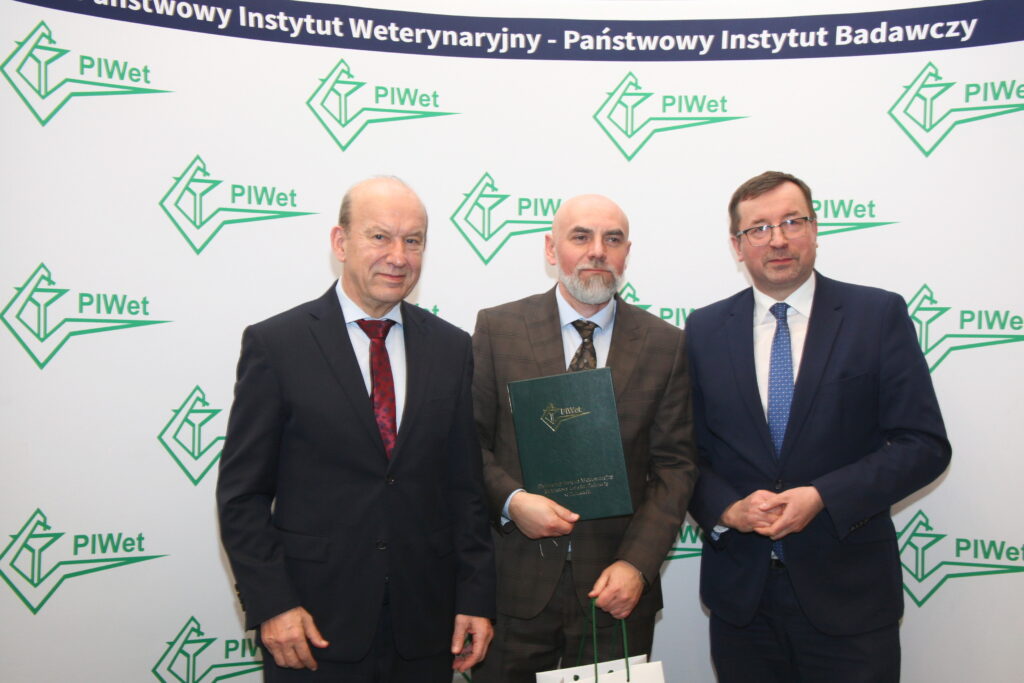
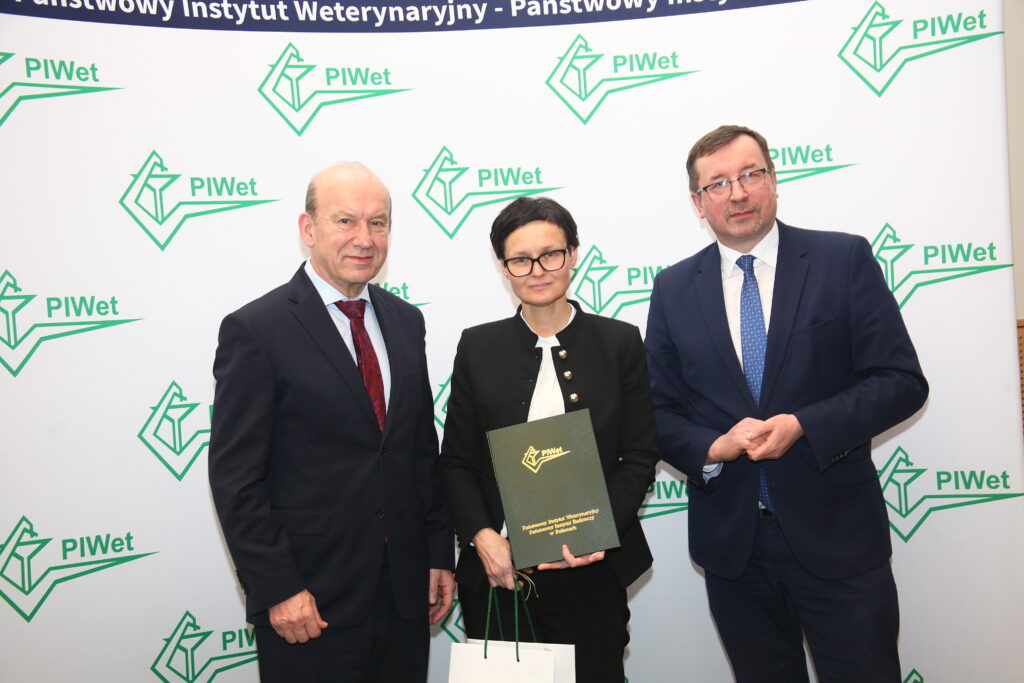
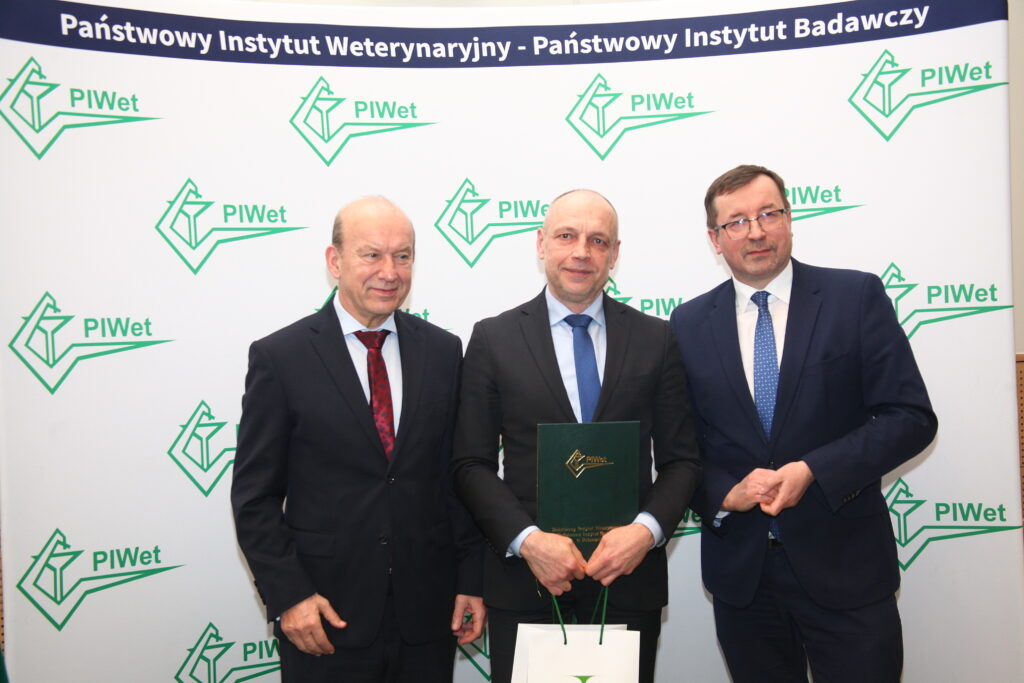
The Director General of the Ministry of Agriculture and Rural Development, Dr. Marek Cieśliński, representing the Minister of Agriculture and Rural Development, participated in the inaugural meeting of the Council. Together with the Institute’s Director, he presented appointment letters to the Council members, emphasizing the high standing of PIWet-PIB in ensuring animal and human health in Poland and Europe, and the significance of the Scientific Council as an important body of the Institute.
The NVRI Scientific Council consists of 30 members. Fifteen individuals from outside the Institute are appointed by the Minister of Agriculture and Rural Development from candidates holding at least a doctoral degree or distinguished by high competencies and significant practical achievements in areas related to the Institute’s activities. The remaining members of the Council are elected through internal elections at NVRI. The Minister of Science and Higher Education also appoints their representative to the Council.
The Scientific Council is a key advisory and consultative body of the Institute, supporting its scientific and strategic development and strengthening cooperation with the socio-economic environment.
Council Members appointed by the Minister of Agriculture:
Habil. Dr. Andrzej Mazur, Professor at UMCS in Lublin, Maria Curie-Skłodowska University in Lublin
Prof. Habil. Dr. Anna Bogucka-Kocka, Medical University of Lublin
Habil. Dr. Piotr Listos, Professor at UP in Lublin, University of Life Sciences in Lublin
Habil. Dr. Ignacy Kitowski, Professor at PANS, State University of Applied Sciences in Chełm
Habil. Dr. Agnieszka Wiszniewska – Łaszczych, Professor at UWM, University of Warmia and Mazury in Olsztyn
Prof. Habil. Dr. Andrzej Koncicki, University of Warmia and Mazury in Olsztyn
Prof. Habil. Dr. Krzysztof Kubiak, University of Environmental and Life Sciences in Wrocław
Habil. Dr. Joanna Marchewka, Professor at IGiBZ PAN, Institute of Genetics and Animal Biotechnology, Polish Academy of Sciences, Jastrzębiec
Veterinary Surgeon Mirosław Gniot, Warsaw Chamber of Veterinary Medicine
Prof. Habil. Dr. Krzysztof Anusz, Warsaw University of Life Sciences (SGGW)
Habil. Dr. Aleksandra Ledwoń, Professor at SGGW, Warsaw University of Life Sciences (SGGW)
Habil. Dr. Marta Mendel, Professor at SGGW, Vice-Rector for Internationalization, First Deputy Rector, Warsaw University of Life Sciences (SGGW)
Veterinary Surgeon Magdalena Bartosińska, Deputy Director, Department of Food Safety and Veterinary Medicine, Ministry of Agriculture and Rural Development
Veterinary Surgeon Paweł Meyer, Chief Veterinary Officer
Veterinary Surgeon Joanna Gołębiowska, Deputy Director of the Agricultural Advisory Center in Brwinów
Council Members from PIWet-PIB:
Prof. Habil. Dr. Dariusz Bednarek
Habil. Dr. Ewa Bilska-Zając
Prof. Habil. Dr. Tomasz Cencek
Habil. Dr. Maciej Frant
Habil. Dr. Anna Gajda, Institute Professor
Habil. Eng. Dr. Tomasz Grenda
Prof. Habil. Dr. Piotr Jedziniak
Habil. Dr. Jacek Karamon, Institute Professor
Habil. Dr. Olimpia Kursa
Habil. Eng. Dr. Szczepan Tomasz Mikołajczyk
Prof. Habil. Dr. Kamila Mitrowska
Habil. Dr. Marzena Rola-Łuszczak, Institute Professor
Habil. Dr. Marcin Smreczak, Institute Professor
Dr. Tomasz Kilianek
Eng. Dr. Zbigniew Sieradzki
Representative of the Minister of Science
– Habil. Vet. Dr. Jarosław Wieczorek – University of Agriculture in Krakow
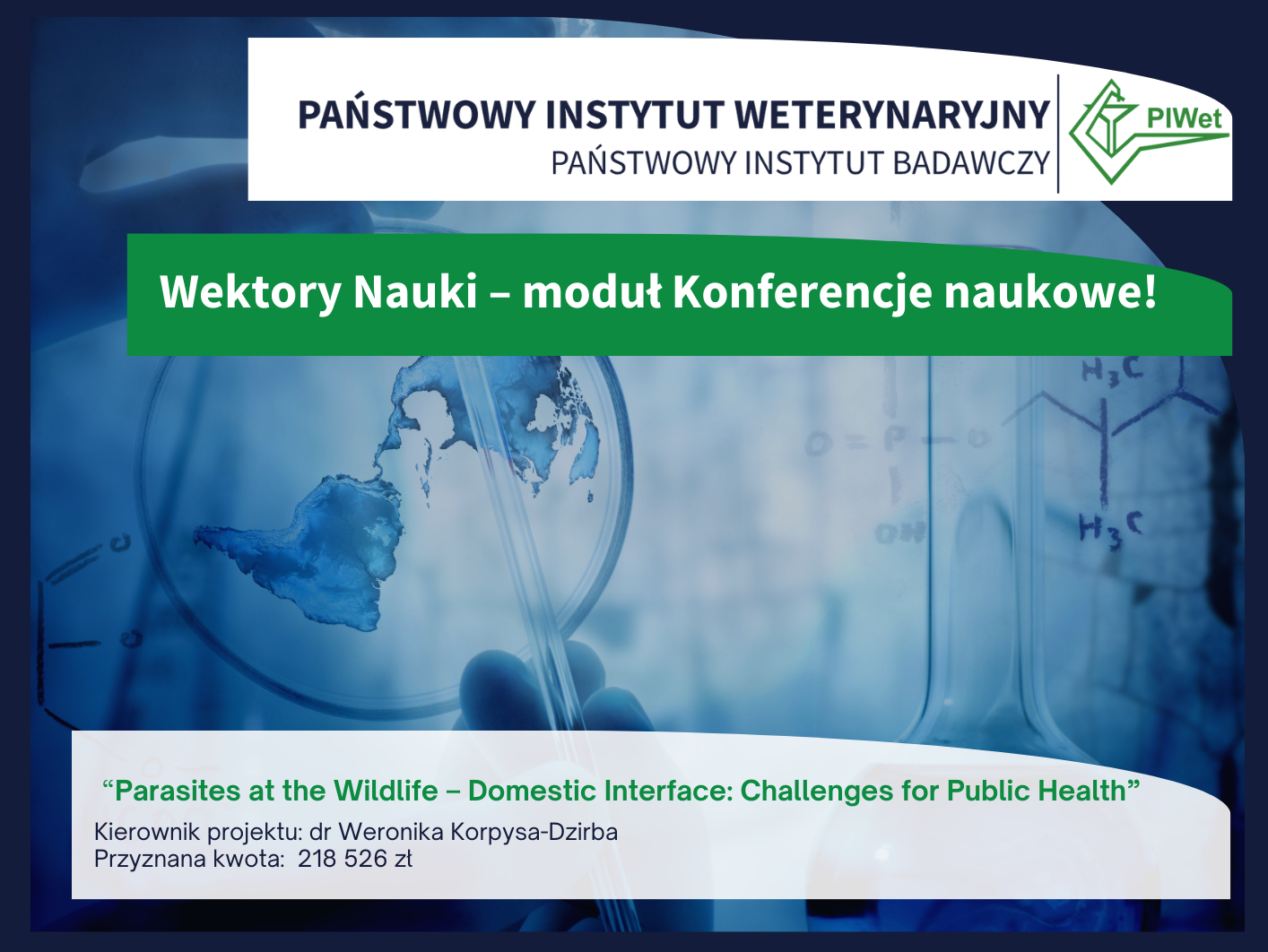
Project of the National Reference Laboratory for Trichinellosis of the Department of Parasitology and Invasive Diseases, Bee Diseases and Aquatic Animal Diseases entitled: “Parasites at the Wildlife – Domestic Interface: Challenges for Public Health”, led by Dr. Weronika Korpysa-Dzirba, has received funding in the amount of PLN 218,526 under the first edition of the Vectors of Science – Scientific Conferences module.
The funds obtained will enable the organization of an international scientific conference that will create a platform for the exchange of knowledge and experience among specialists from Poland and abroad.
The implementation of the project represents a significant step in the development of scientific research conducted at the Institute and strengthens its position in the international scientific community.
Sincere congratulations to Dr. Weronika Korpysa-Dzirba and the entire team for their commitment and consistent advancement of science!
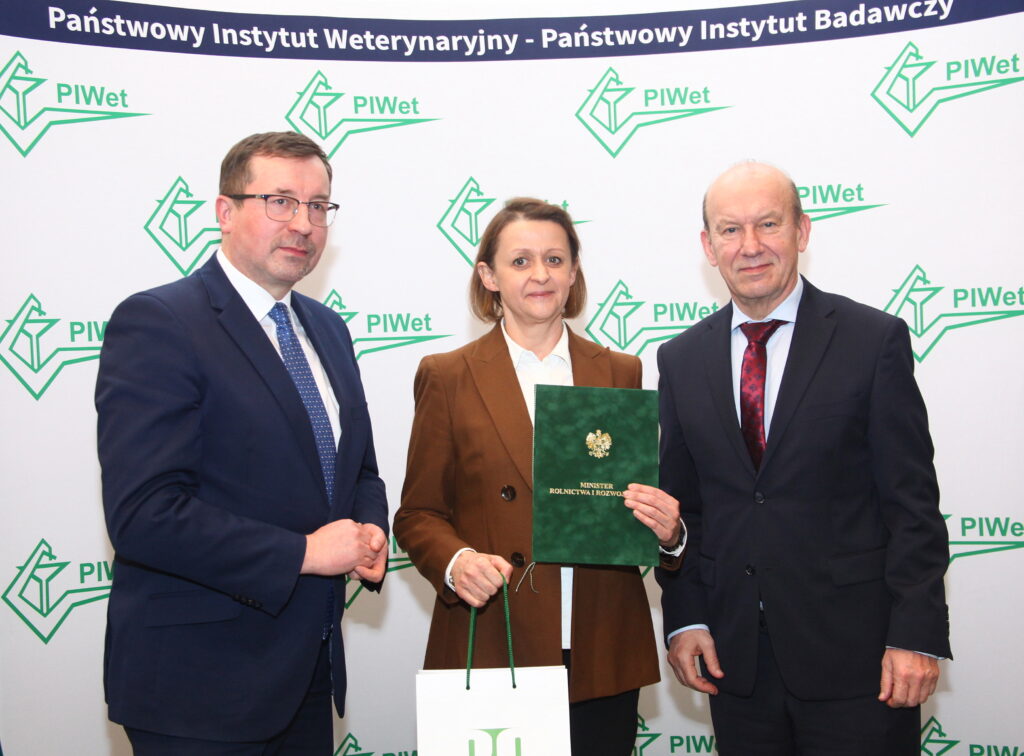
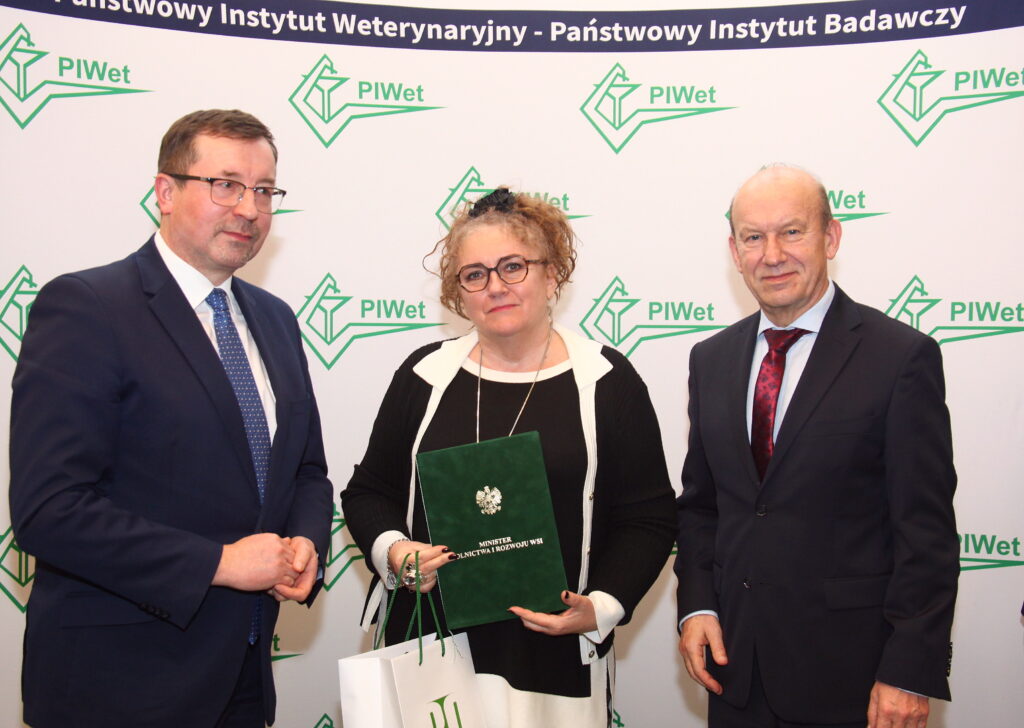
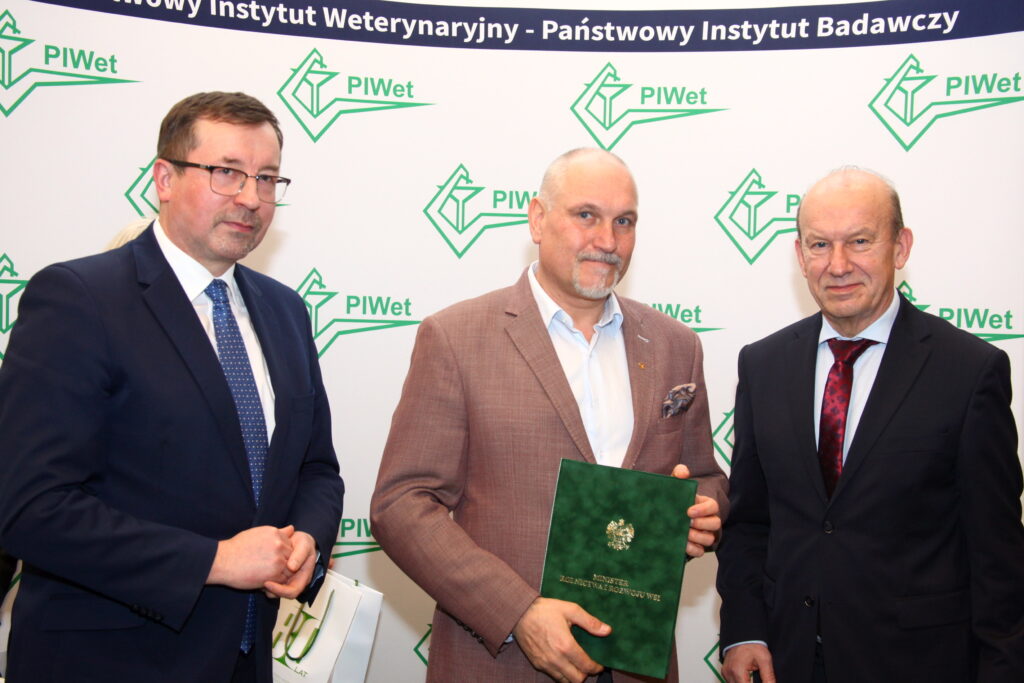
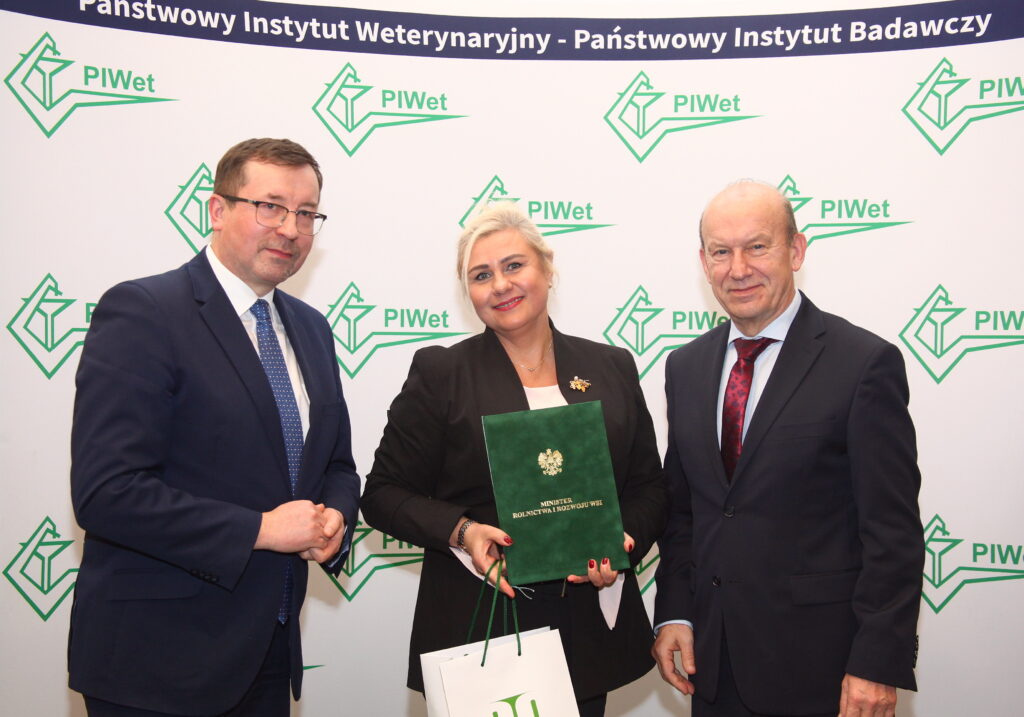
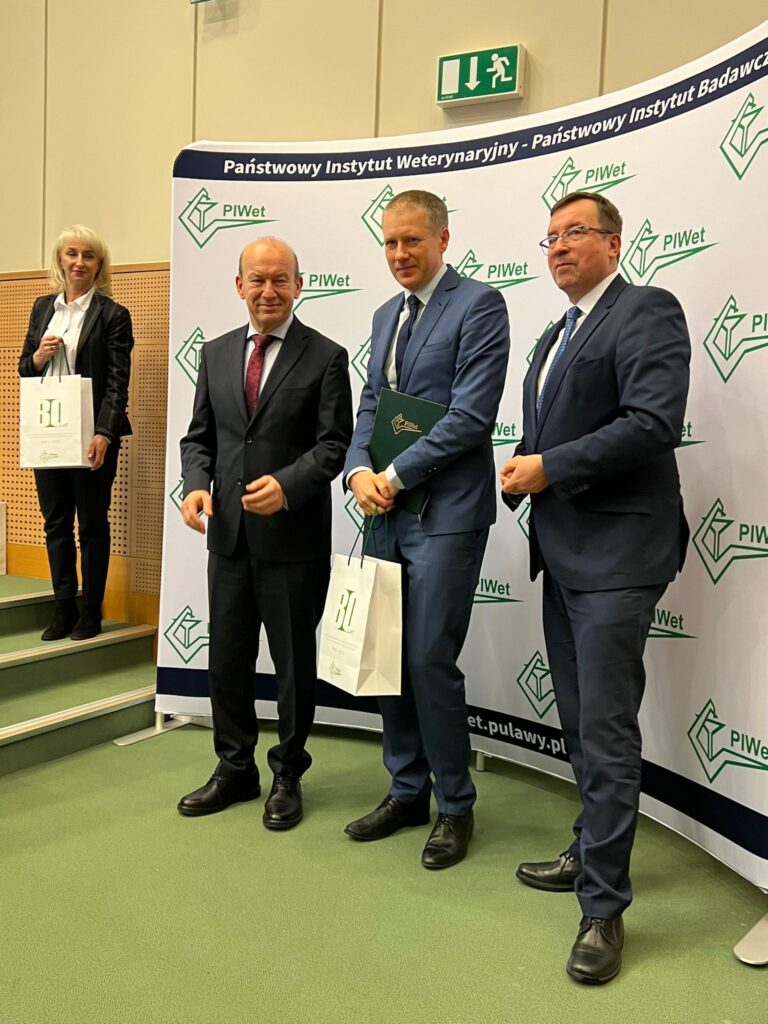
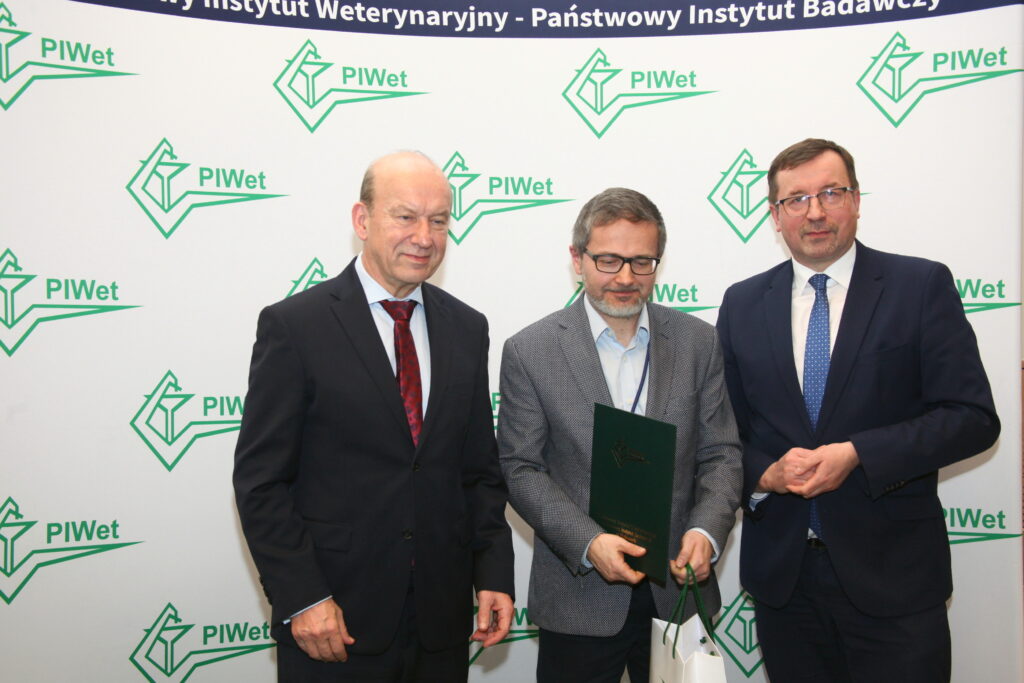
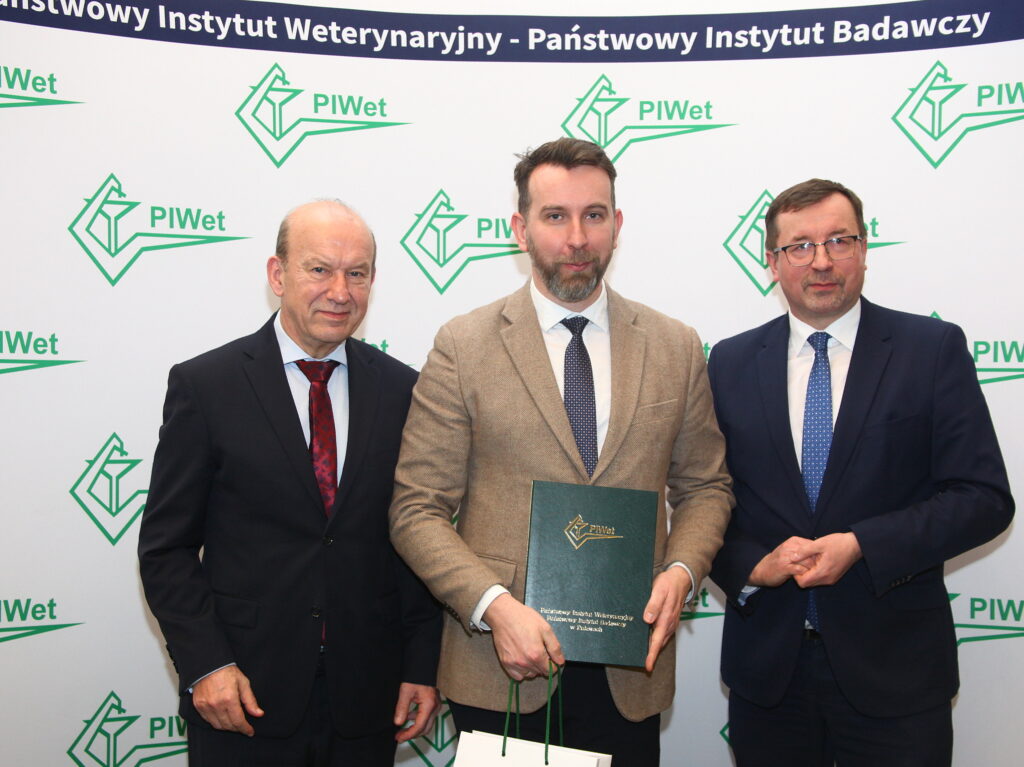
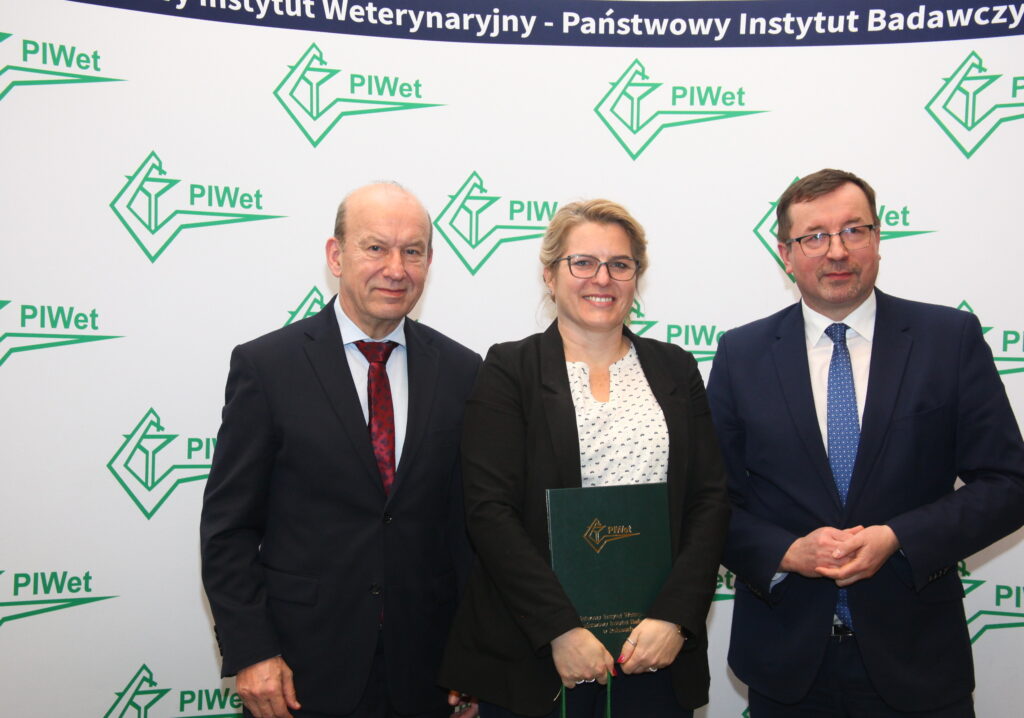
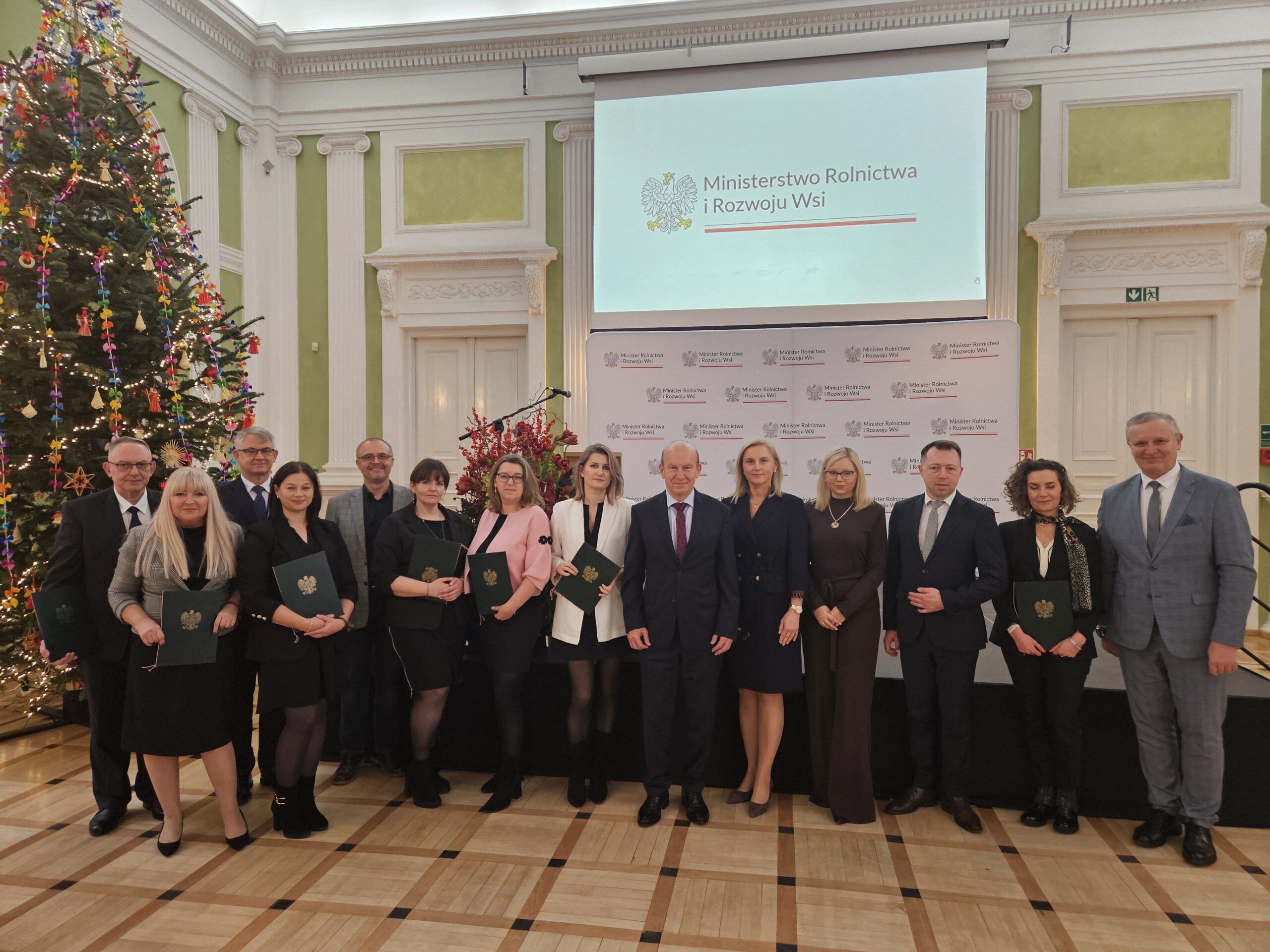
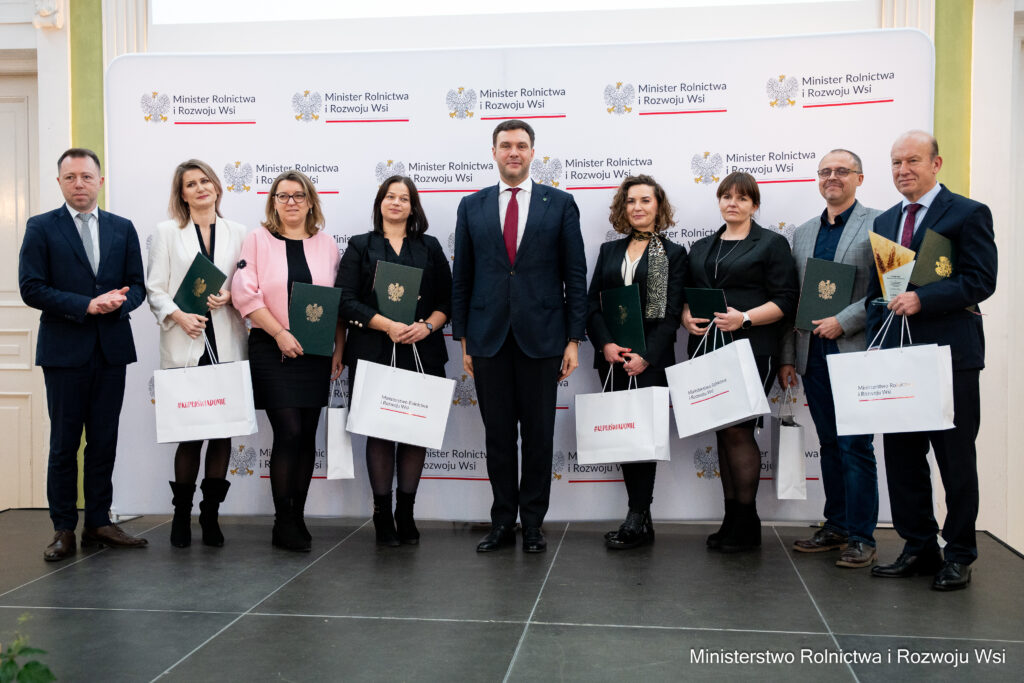
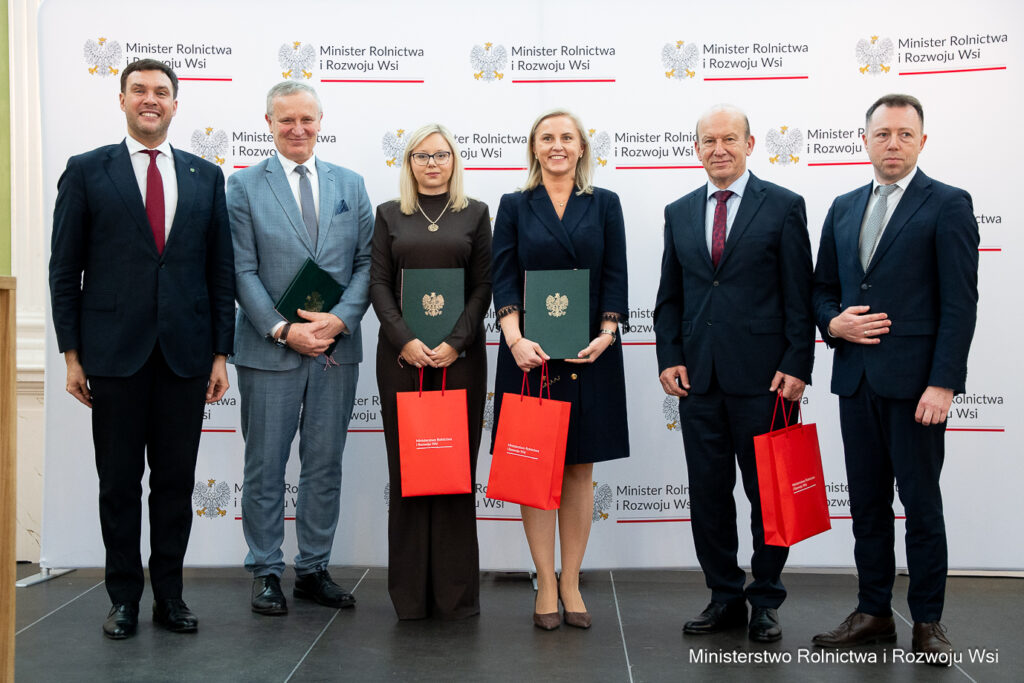
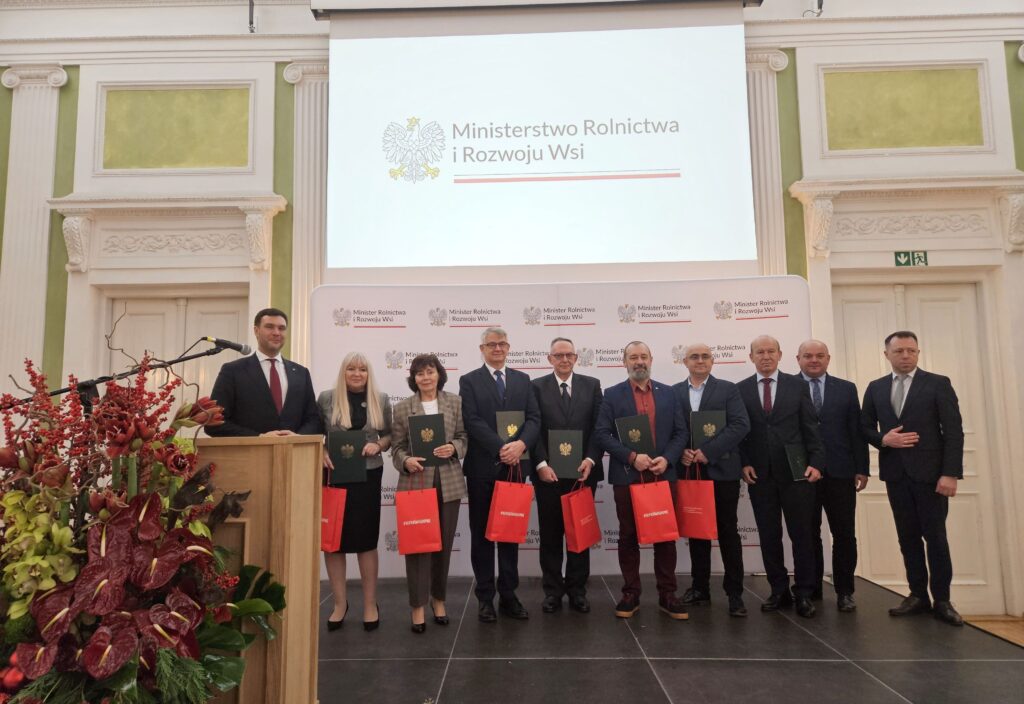
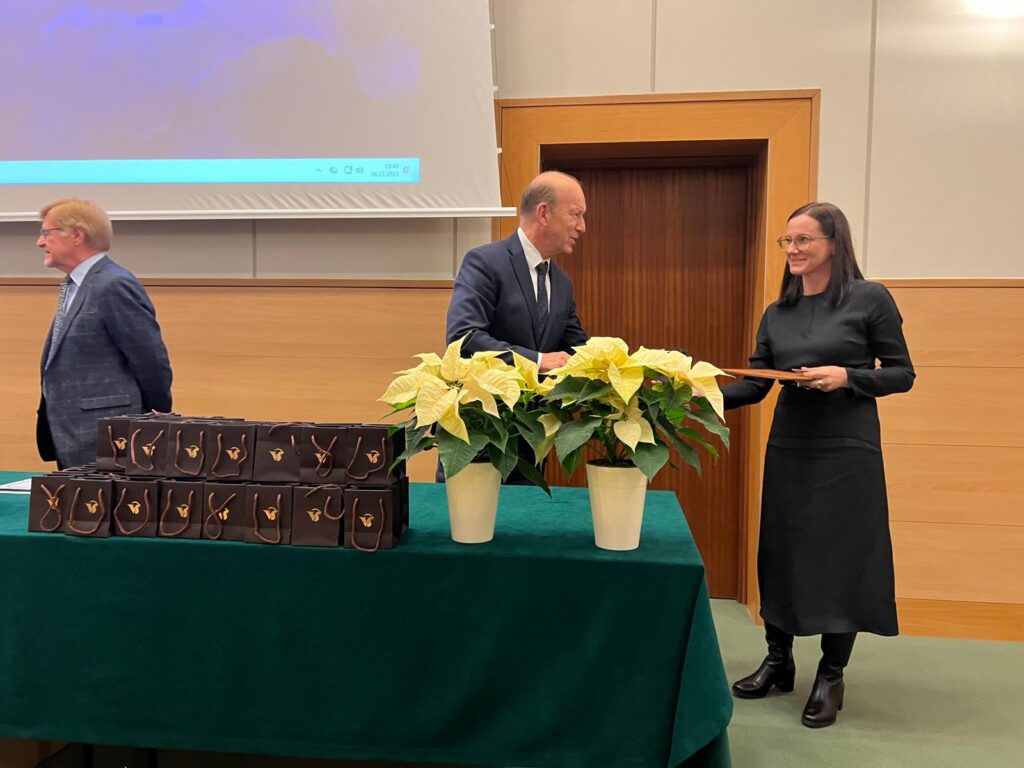
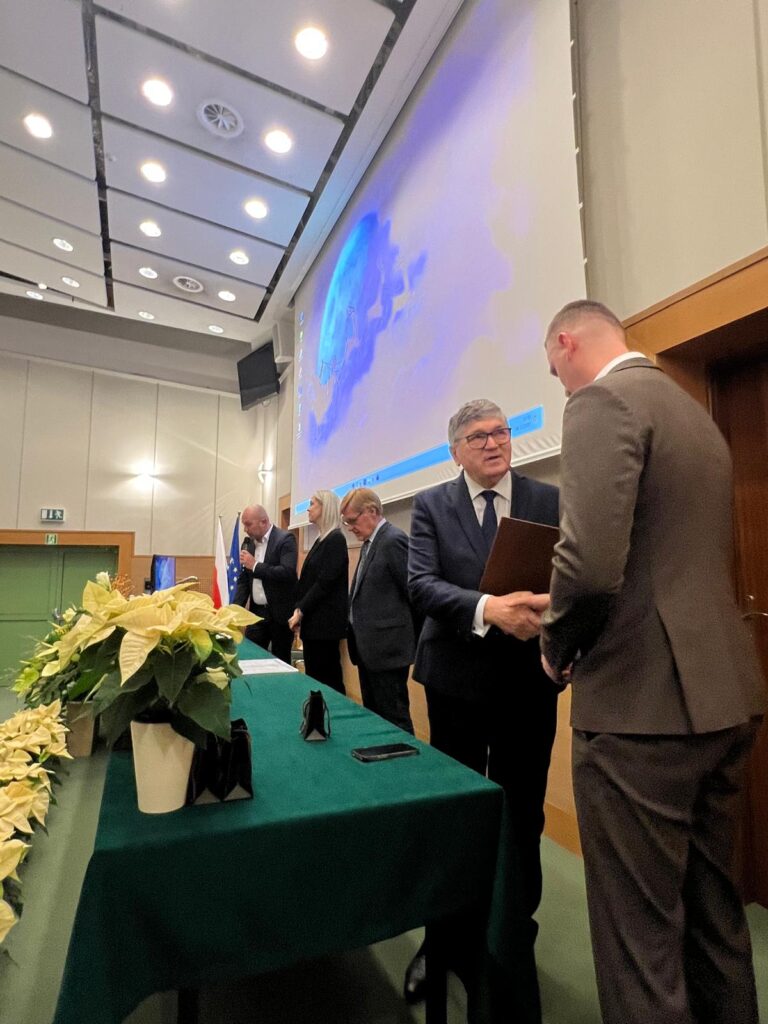
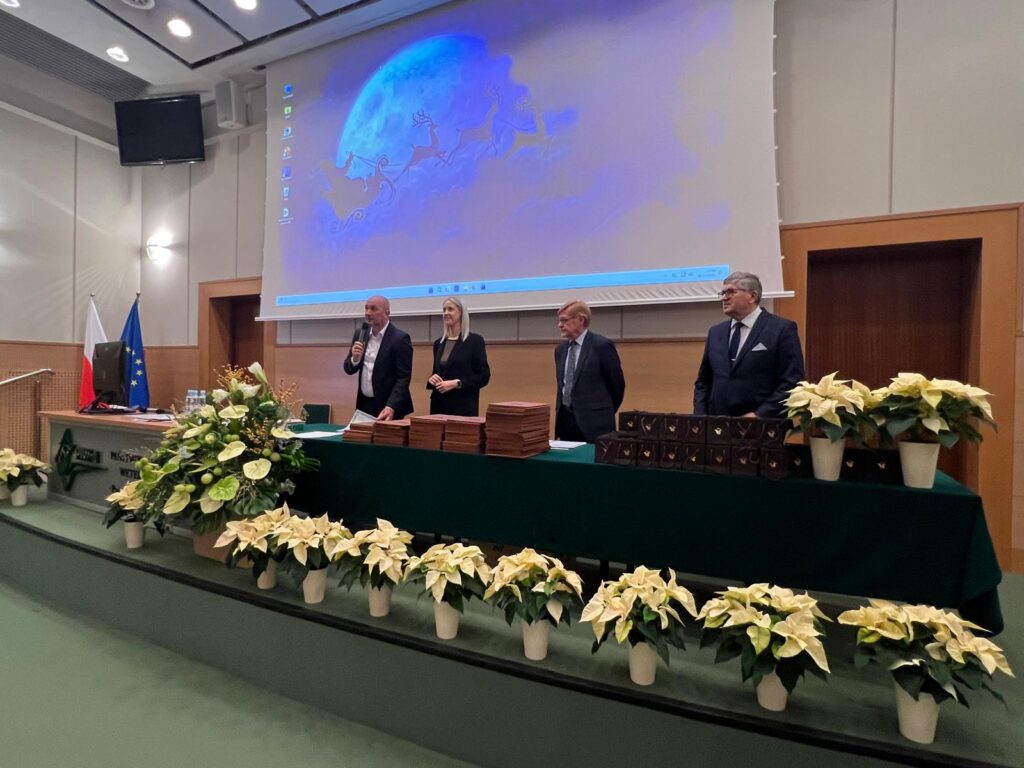
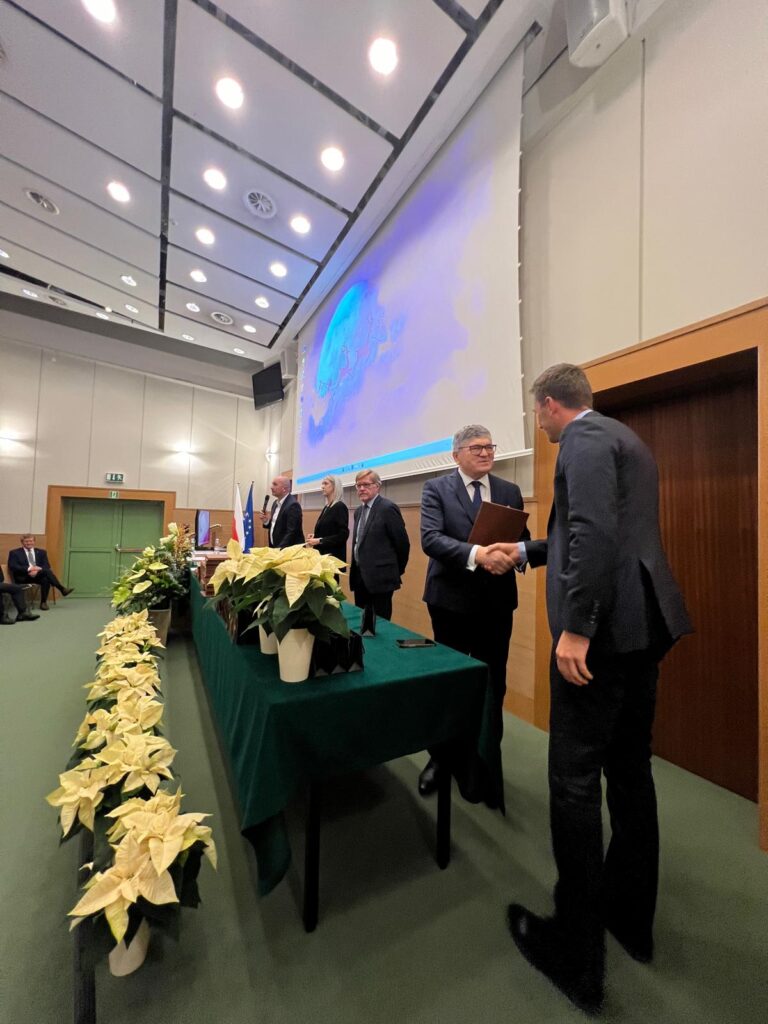
On December 12 of this year, a ceremony was held at the headquarters of the National Institute of Culture and Rural Heritage in Warsaw to present awards and distinctions of the Minister of Agriculture and Rural Development for achievements in implementing progress in agriculture, rural development, agricultural markets, and fisheries. The Minister of Agriculture and Rural Development annually awards, through a competitive process, prizes and distinctions for achievements whose implementation or dissemination has brought measurable economic or social effects. They are awarded to research teams whose members are employed in entities working for agriculture, rural development, agricultural markets, and fisheries. This year, five research teams from our Institute submitted applications for achievement awards:
1. Replacement of the biological test with the molecular Hain test in laboratory diagnostics of tuberculosis in cattle in accordance with the 3R principle – Dr. Ewelina Szacawa, M.Sc. Nina Kozieł, Dr. habil. Monika Krajewska-Wędzina, Institute Professor, Dr. Anna Ziętek-Barszcz, Prof. Dr. habil. Krzysztof Szulowski.
2. Work on implementing the ELISA method using bulk milk samples to assess the occurrence of IBR and BVD-MD in cattle herds under performance monitoring – Prof. Dr. habil. Jerzy Rola, Prof. Dr. habil. Mirosław P. Polak, Małgorzata Głowacka, Elwira Orłowska, Elżbieta Boguń.
3. Implementation of monitoring of bacterial resistance to antimicrobial agents based on the model of Escherichia coli isolated from animals – Dr. Magdalena Skarżyńska, Dr. Magdalena Zając, M.Sc. Anna Lalak, M.Sc. Renata Kwit, M.Sc. Aleksandra Śmiałowska-Węglińska, M.Sc. Eng. Ewelina Skrzypiec, Prof. Dr. habil. Dariusz Wasyl.
4. Computer software enabling the collection of data on the use of veterinary medicinal products in animals in Poland – Dr. Ilona Materek, Eng. Mariusz Kowalik, M.Sc. Eng. Tomasz Borówka, M.Sc. Eng. Ewa Borzym, M.Sc. Amanda Markiewicz.
5. Introduction of an innovative, cost-effective, and environmentally friendly method for sanitizing organic waste enabling its use in fertilization – project GOSPOSTRATEGIII/0061/2020 – Prof. Dr. habil. Tomasz Cencek, Dr. Eng. Jolanta Zdybel, Dr. hab. Jacek Sroka, Institute Professor, Dr. Angelina Wójcik-Fatla, Dr. Teresa Kłapeć, Dr. Piotr Skowron, Dr. Damian Wach.
At Friday’s ceremony, the Minister of Agriculture and Rural Development was represented by Mr. Adam Nowak, Secretary of State, supervising, among other things, the activities of research institutes, whose competencies include research and scientific cooperation, innovation, digitalization, and knowledge transfer in the areas of agriculture, rural development, agricultural markets, and fisheries. The ceremony was conducted by Mr. Marcin Tomaszewski, Director of the Department of Knowledge Transfer and Social Affairs. Participants included Mr. Wojciech Wojtyra, Director of the Department of Food Safety and Veterinary Medicine.
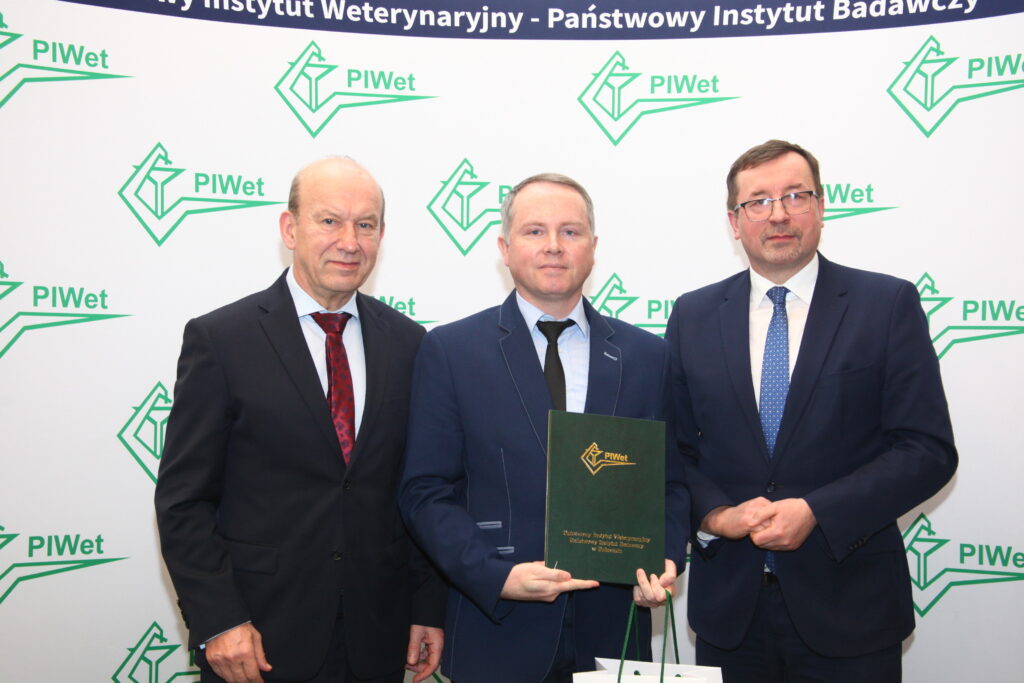
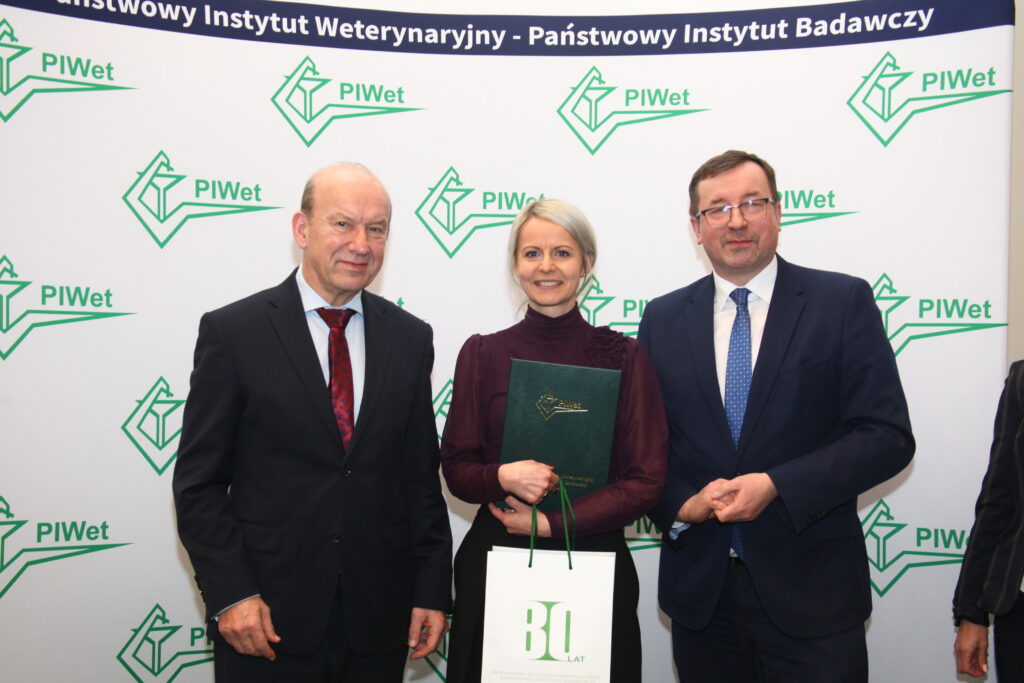
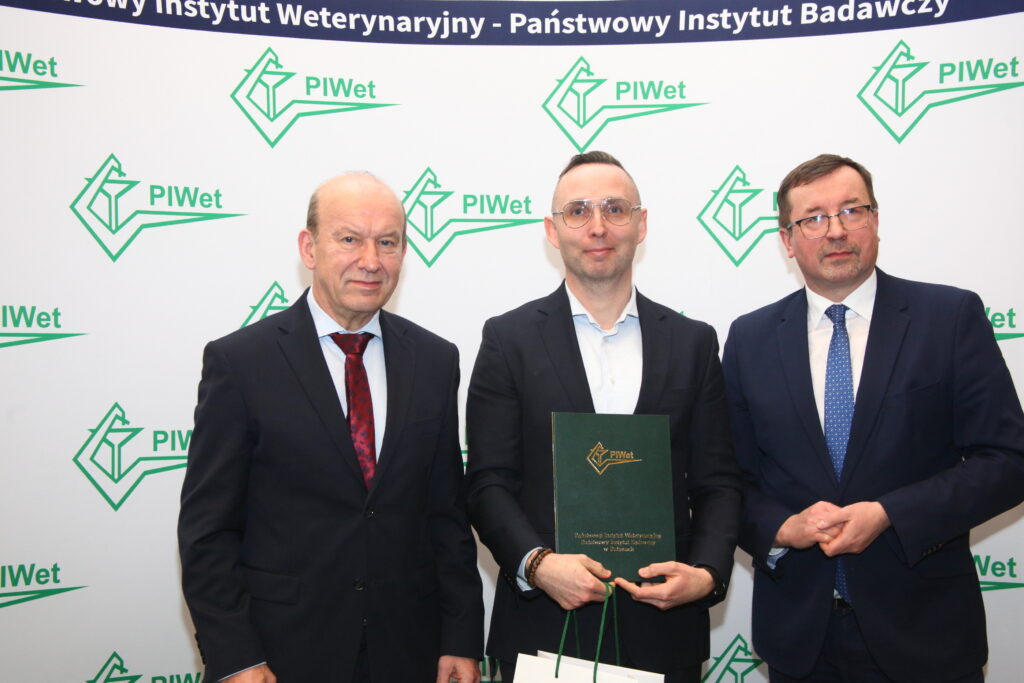
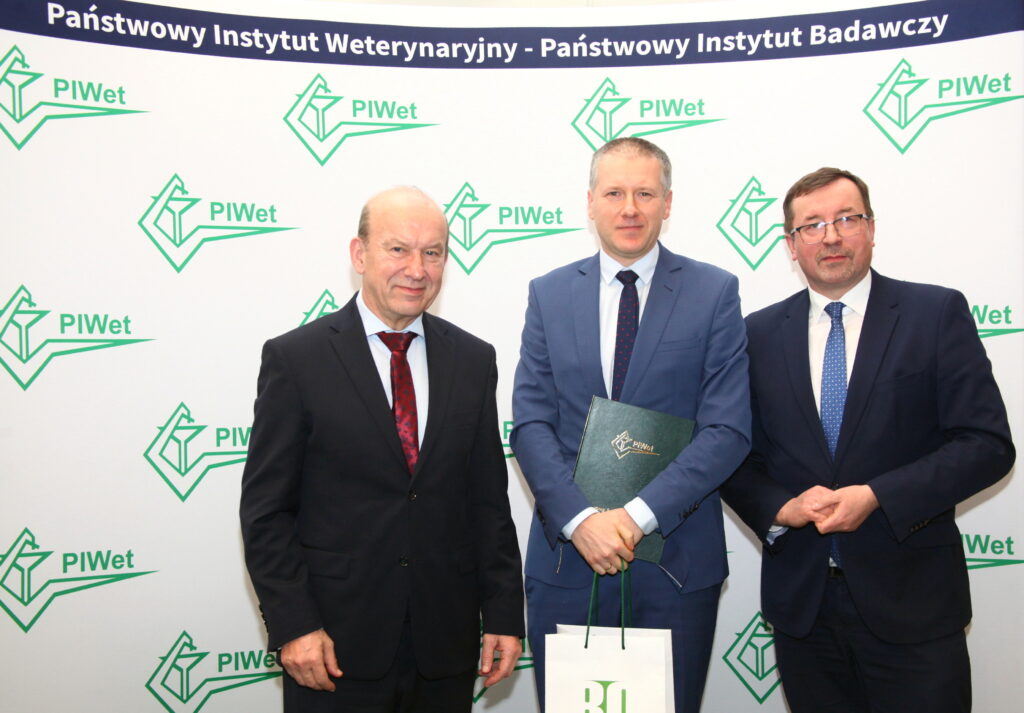
We are extremely pleased to inform you that the first prize from the Ministry of Agriculture and Rural Development was awarded to the team of Dr. Magdalena Skarżyńska for the achievement: “Implementation of monitoring of bacterial resistance to antimicrobial agents based on the model of Escherichia coli isolated from animals.” In addition, two research teams were distinguished: Dr. Ilona Materek’s team and Prof. Dr. habil. Tomasz Cencek’s team.
Representatives of the research teams from our Institute who participated in the ceremony included: Dr. Magdalena Skarżyńska, Dr. Magdalena Zając, M.Sc. Anna Lalak, M.Sc. Renata Kwit, M.Sc. Eng. Ewelina Skrzypiec, Prof. Dr. habil. Dariusz Wasyl, Dr. Ilona Materek, M.Sc. Eng. Ewa Borzym, Prof. Dr. habil. Tomasz Cencek, Dr. Eng. Jolanta Zdybel, Dr. habil. Jacek Sroka, Institute Professor, as well as Prof. Dr. habil. Stanisław Winiarczyk – Director of the National Veterinary Research Institute and Prof. Dr. habil. Mirosław Polak – Deputy Director for Scientific Affairs.
We congratulate the award and distinction recipients. We are proud of you,
Management of the National Veterinary Research Institute
P.S. This year, for the first time, the Minister of Agriculture and Rural Development awarded an individual prize for exceptional achievements in implementing progress in agriculture, rural development, agricultural markets, and fisheries. It is directed to individuals who have conducted scientific or research and development activities in the aforementioned areas for at least 5 years, and who have successfully implemented their solutions into economic practice, achieving significant economic or social effects. This year’s individual award recipient was Prof. Dr. habil. Wiesław Oleszek, employee and former Director of the Institute of Soil Science and Plant Cultivation – National Research Institute in Puławy.
Congratulations to Professor Wiesław Aleksander Oleszek from our sister institute from the Management and all employees of the National Veterinary Research Institute.
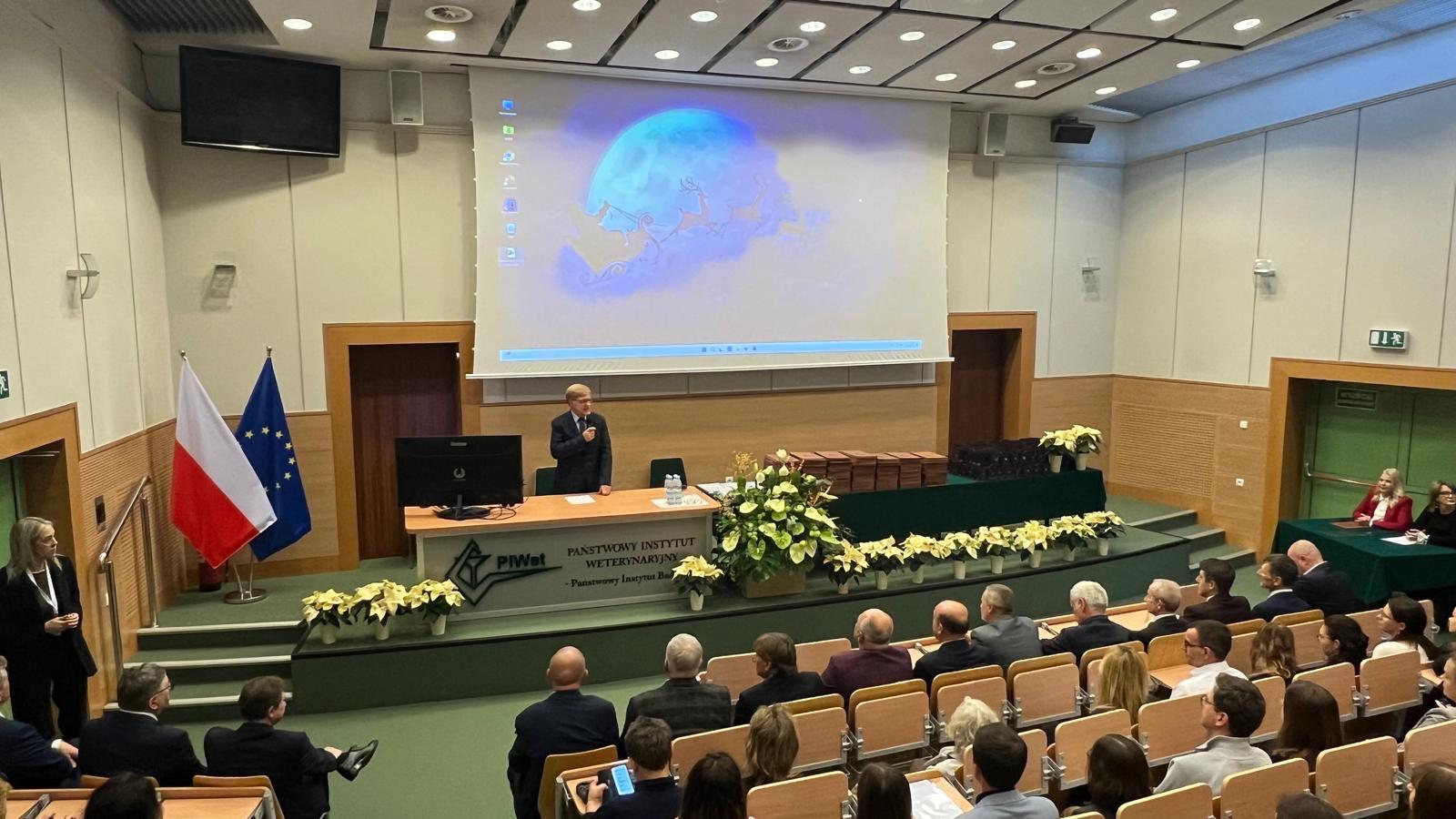
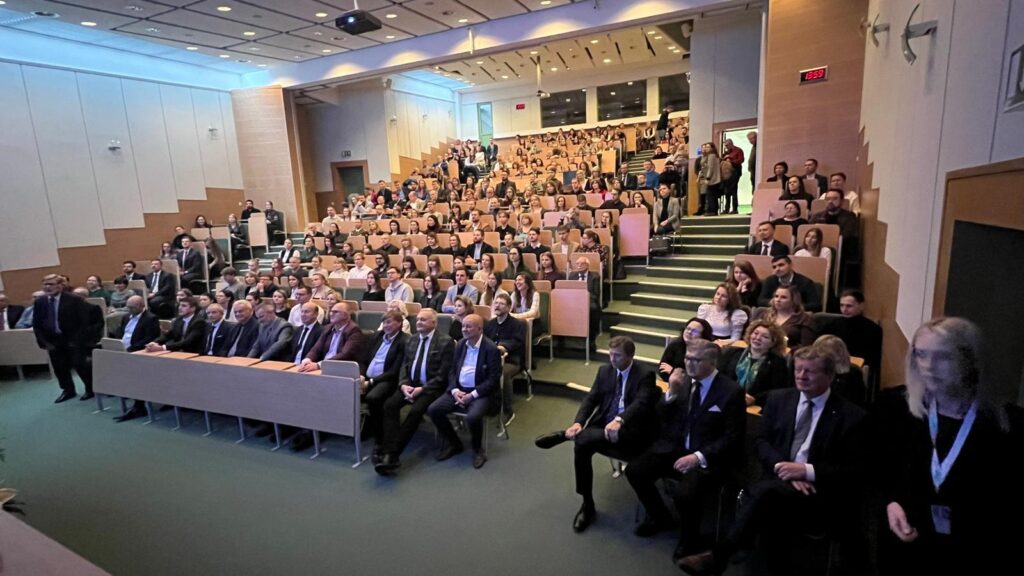
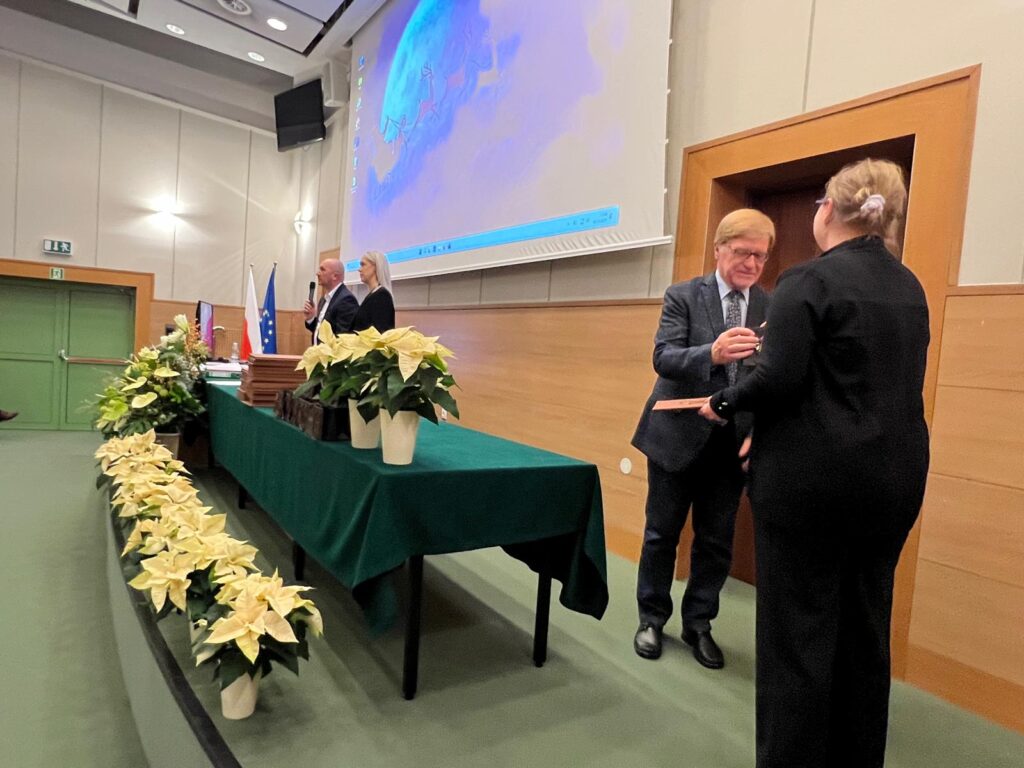
On December 6, 2025, a ceremonial presentation of specialist diplomas was held for veterinarians who passed their specialization examinations in 2025. This year, 398 veterinarians achieved a positive result, of whom 240 received their diplomas in person during the ceremony.
Before the diploma presentation, a lecture entitled “Some Unusual Problems of a Quite Ordinary Specialist” was delivered by Dr. Mirosław Kalicki, DVM, PhD.
The diplomas were presented by the Commission Chairman, Prof. Tomasz Janowski, DVM, PhD, DSc, together with the National Specialization Directors in the following areas:
Veterinary Diagnostic Imaging
Hygiene of Slaughter Animals and Food of Animal Origin
Diseases of Non-Domesticated Animals
Veterinary Surgery
Veterinary Laboratory Diagnostics
Epizootiology and Veterinary Administration
Equine Diseases
Poultry Diseases
Diseases of Dogs and Cats
Animal Reproduction
The ceremony emphasized the importance of specialization training and the role of veterinarians in improving the quality of animal health protection in Poland. We extend our sincere congratulations to all new specialists.
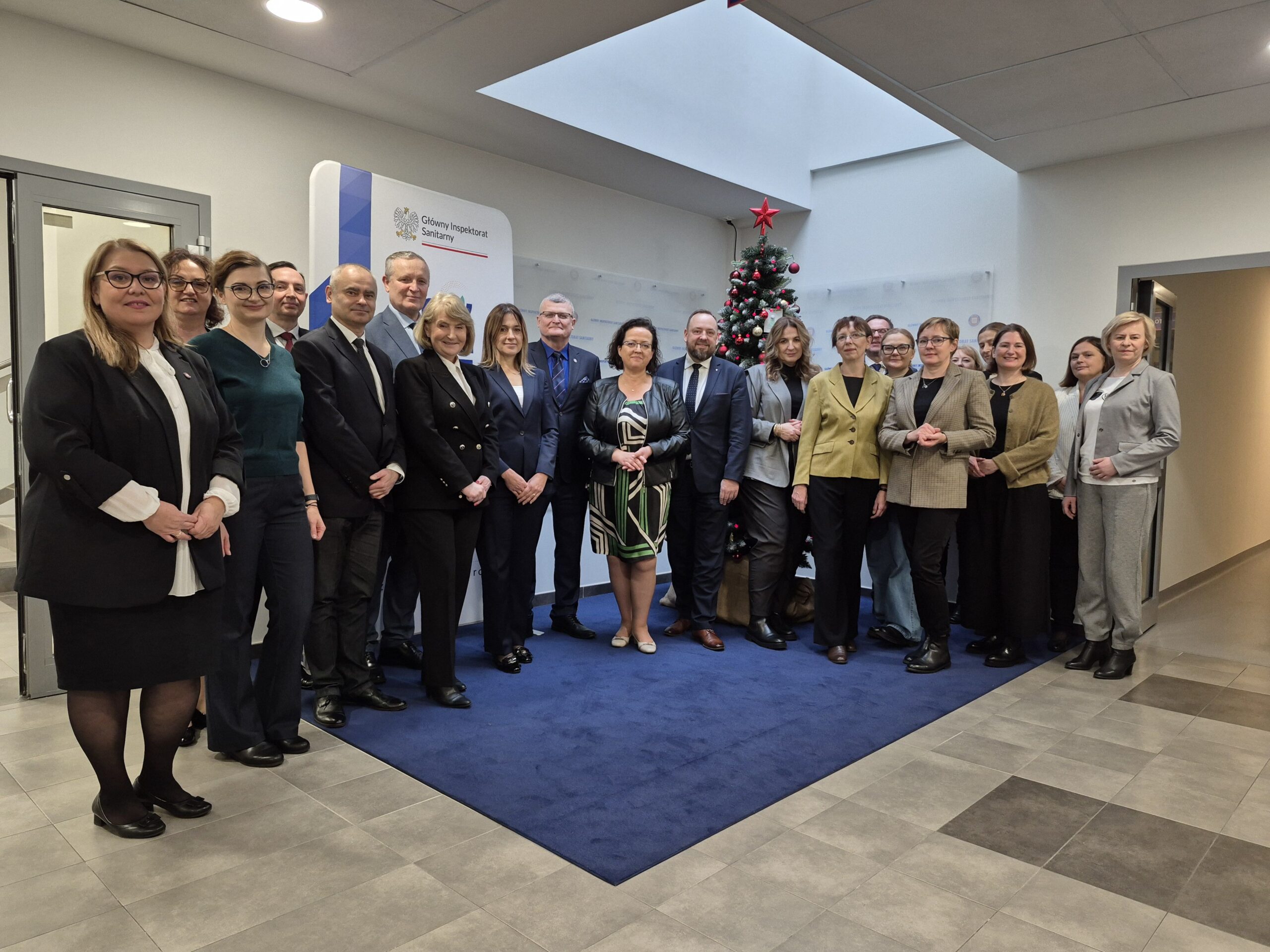
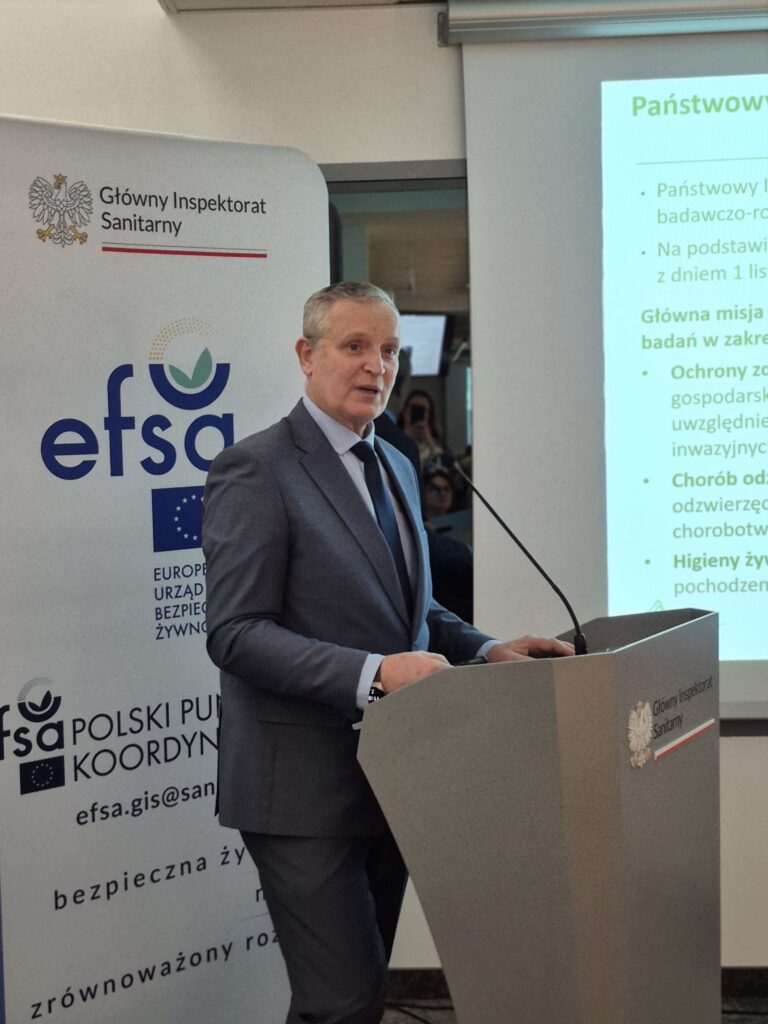
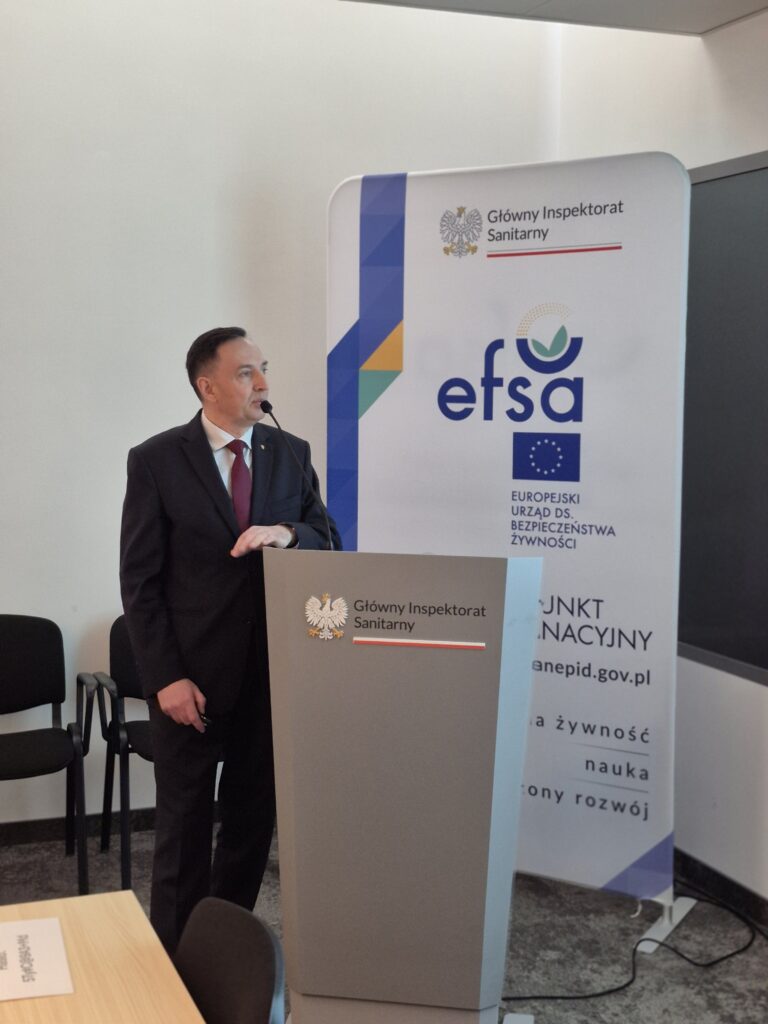
On December 8th of this year, a conference titled “One Health in EFSA Practice – an Interdisciplinary Perspective on Food Safety, Public Health, and the Environment” was held at the headquarters of the Chief Sanitary Inspectorate in Warsaw. It was organized by the Polish Focal Point of the European Food Safety Authority (EFSA), located at the Chief Sanitary Inspectorate (GIS).
In addition to representatives from the Ministry of Health and the Ministry of Agriculture and Rural Development, the conference was attended by representatives of control and scientific institutions: the Chief Veterinary Officer, the Chief Inspector for Plant Protection and Seed Production, the Chief Inspector for Commercial Quality of Agri-Food Products, representatives of the National Institute of Public Health PZH – National Research Institute, the National Veterinary Research Institute, and the Research Institute of Horticulture – National Research Institute. Our Institute was represented by Professor Mirosław Polak, Deputy Director for Research, and Professor Artur Rzeżutka from the Department of Microbiological Food and Feed Research. The involvement of PIWet-PIB in scientific activities within the “One Health” approach was presented, as well as one of the projects implemented with EFSA’s support, titled: “OH4 surveillance – Establishing coordinated surveillance under the One Health approach” in the context of threats from selected transboundary pathogens (tick-borne encephalitis virus, swine influenza A virus, hepatitis E virus, Rift Valley fever virus, and Echinococcus tapeworm).
The conference provided an opportunity to learn about the activities undertaken by various institutions within the “One Health” initiative. Networking among partners is crucial for developing future cooperation.
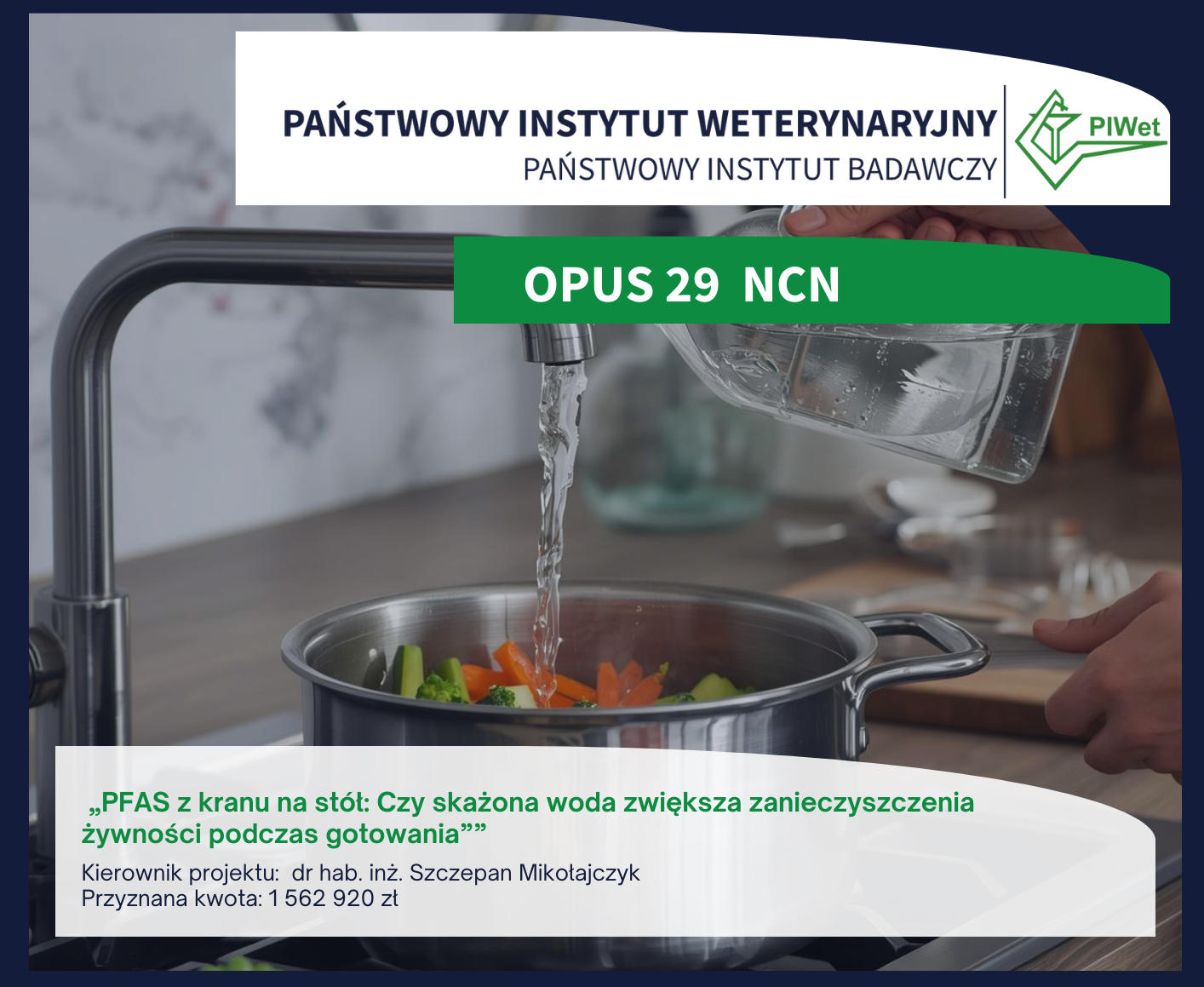
We are pleased to announce that the project titled “PFAS from Tap to Table: Does Contaminated Water Increase Food Contamination During Cooking”, carried out at the Department of Chemical Research of Food and Feed of the National Veterinary Research Institute, has received funding within the OPUS 29 National Science Centre competition.
This constitutes a significant distinction and confirms the high standards of research conducted at our Institute.
Funding amount: PLN 1,562,920 Project Leader: Dr. hab. Szczepan Mikołajczyk
The project’s implementation will deepen knowledge regarding the impact of PFAS contaminants present in water on the safety of food prepared in household conditions. The results obtained will be a significant contribution to assessing the risk of consumer exposure to these compounds.
We sincerely congratulate them on securing the funding and wish them success in carrying out the research.
W celu świadczenia usług na najwyższym poziomie stosujemy pliki cookies, które będą zamieszczane w Państwa urządzeniu (komputerze, laptopie, smartfonie). W każdym momencie mogą Państwo dokonać zmiany ustawień Państwa przeglądarki internetowej i wyłączyć opcję zapisu plików cookies. Szczegółowe informacje dostępne są w naszej polityce prywatności.